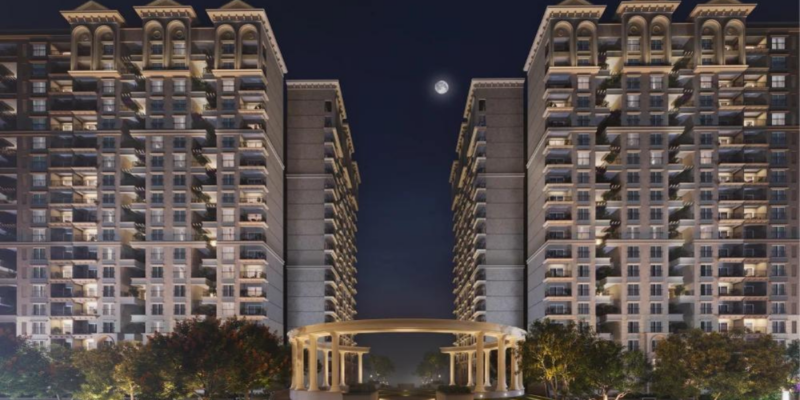


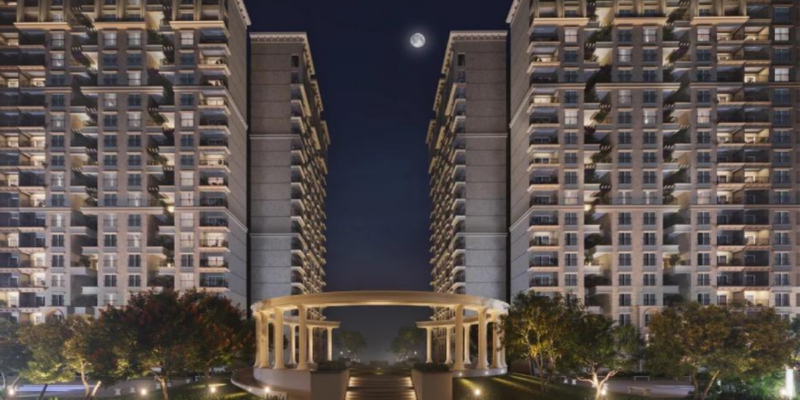
Security, amenities, and exclusivity make gated communities appealing; but before you buy a home, consider if the premium price and lifestyle align with your long-term needs.
Gated communities have become a defining feature of modern residential development in urban India. Designed with clear boundaries & walls, monitored access, and integrated amenities, they offer an organised way of living that appeals to many homebuyers seeking a secure and peaceful environment.
Once limited to ultra-luxury developments, this lifestyle is now accessible across various property types from mid-premium apartments to row houses. The idea of shared amenities, managed infrastructure, and reduced external disturbances makes gated community living an attractive proposition for many homebuyers and investors.
Their rise in popularity is evident in the growing demand across Indian cities. According to a report by RedSeer Consulting, consumption in India’s gated communities is poised to grow 2.5 times, reaching $500 billion by 2026, with households expected to reach 32 million by 2031. This blog helps you assess the pros and cons of living in a gated community, offering a clear overview of what to expect.
Table of Contents
What is a Gated Community?
Gated community is a well-planned residential development with walls, gates, and access control. The layout is planned with defined boundaries, monitored entry points, and restricted visitor movement to ensure both security and exclusivity.
These are usually governed by residents’ welfare associations (RWAs) or facility management bodies that maintain common areas and oversee day-to-day operations. These characteristics lay the foundation for what differentiates gated community living from conventional neighbourhoods – structurally, socially, and functionally.
Types of Gated Communities
In India, these are developed in various formats – with each catering to different lifestyle preferences, space requirements, and budget considerations. From high-rise apartments to independent villas and plotted layouts, these projects are unified by a shared commitment to safety, structure, and convenience. What links them together is a well-planned approach to infrastructure and management.
- Apartments: Multistorey buildings with multiple units that are ideal for compact urban living. Residents benefit from shared amenities, security systems, and standardised maintenance services.
- Villas: Independent homes within gated layout – offering greater space, privacy, individual gardens & parking areas. Suitable for larger families or those seeking premium lifestyle.
- Row houses: Similar to villas, but with 1-2 shared walls and uniform architecture. These combine community living with privacy, and are found in mid-density developments.
- Plotted Developments: Undeveloped plots within a gated boundary, where buyers can construct customised homes. These retain the advantages of gated community living, while allowing design flexibility.
Amenities in Gated Communities
One of the biggest differences between regular residential areas and well-planned gated communities, is the abundance of diverse amenities for all age groups. Grand clubhouses are designed with spaces for leisure and recreation. They also house indoor swimming pools, indoor sports facilities, multifunctional halls that are versatile enough to be utilised for any event, guest rooms, salon, spa, well-equipped fitness centre, creche, and mini supermarket.
One of the key benefits of gated community is the presence of outdoor swimming pools and sports facilities. Residents of all ages can practise badminton, tennis, volleyball, basketball, cricket, football, and more. Jogging track in vehicle-free spaces can be used for brisk morning jogs or relaxing evening walks. A few amenities are dedicated to the little ones and seniors – for example, children’s play area, kids’ pool, cycling track, seniors’ corner, reflexology walk. All these shared indulgences indicate how the benefits of gated community projects extend beyond the home, enhancing both leisure and functionality.
6 Pros of Living in a Gated Community
These residential enclaves are designed to offer a more secure, structured, and luxurious way of living. In this section, we explore the key benefits of gated community life that appeal to a wide range of homeowners and investors.
-
Enhanced Security
This is a defining element of gated developments. With 24/7 patrolling, trained personnel, CCTV coverage, and restricted access at all entry & exit points, residents experience a higher level of safety. These features minimise the risk of unauthorised movement, theft, or disturbances.
Children can play freely, and senior citizens can walk or socialise without concern. Such an environment prioritises well-being over worry. While evaluating the pros and cons of living in a gated community, security ranks as a leading reason why many choose this model of housing.
-
Privacy and Peace of Mind
Such projects offer a controlled living environment that significantly reduces noise, pollution, and daily interruptions. Limited access points ensure that only residents and approved visitors move through the premises, resulting in minimal external traffic.
This setting provides personal space, mental calm, and greater sense of order. The structured layout helps households enjoy a quieter lifestyle without the chaos of unregulated surroundings. For many, this is one of the understated yet lasting benefits of gated community – an environment where privacy is preserved and peace of mind comes naturally.
-
Well-maintained Infrastructure
Gated communities prioritise upkeep through dedicated facility teams that handle roads, greenery, lighting, and utilities. Internal roads remain clean, gardens are well-manicured, and there is reliable access to water and power – supported by backup systems. These high operational standards reduce everyday hassles and create a visually pleasing environment.
Residents benefit from consistency, especially in cities where public infrastructure may vary. While comparing gated community advantages and disadvantages, maintenance quality tips the scale for those seeking structure, cleanliness, and reliability as part of their daily experience.
-
Premium Amenities for all Age Groups
Gated communities provide more than just housing; they offer integrated lifestyle amenities. Residents enjoy exclusive access to clubhouses, gyms, swimming pools, parks, play zones, multifunctional halls, recreational areas, and sports facilities – all maintained within the boundary. These amenities support health, recreation, and social engagement without the need to step outside.
For working individuals and families alike, this convenience adds tangible value to everyday life. While exploring the pros and cons of living in a gated community, in-house amenities play a major role in e decision – as they shape comfort, routine, and the overall experience of modern living.
-
Sense of Community
The structure of such projects encourages interaction through shared spaces, resident-led events, and organised festivals. Homeowners’ associations (HOAs) play a pivotal role in fostering community engagement within the premises. These environments foster a sense of belonging, as people connect through children’s activities, fitness groups, or cultural celebrations.
RWAs and social forums further strengthen these bonds, making it easier to build relationships. For many, this neighbourly engagement becomes a valued part of everyday life. While evaluating the benefits of gated community, emotional connection and collaborative lifestyle emerge as meaningful advantages that go beyond the physical layout of the property.
-
Higher Property Value and Rental Potential
Homes in gated communities command better long-term value, due to the security, amenities, and structured upkeep. These features make such properties more appealing to families, senior professionals, and NRIs seeking convenience and peace of mind. As a result, both resale prices and rental demand tend to remain strong over time.
Investors also benefit from lower vacancy rates and stable returns. Among the many gated community advantages and disadvantages, consistent appreciation and rental viability stand out as strong incentives for those viewing property as both a home and an asset.
Drawbacks of Gated Community
While these projects offer many advantages, they also come with certain limitations that may not suit every lifestyle. This section covers the disadvantages, to help you take a well-rounded decision.
-
Higher Cost of Living
Drawbacks of gated community begin with additional financial responsibilities. Residents are required to pay monthly maintenance charges, clubhouse fees, and association dues – to support security, landscaping, and upkeep of shared amenities. While these costs contribute to a better living experience, they increase the overall household budget.
For price-sensitive buyers, this may create financial strain over time. While evaluating the pros and cons of living in a gated community, it is important to factor in these recurring expenses that are less common in standalone or open residential setups.
-
Rules and Regulations
Most projects operate under a predefined set of rules governed by RWAs or homeowners’ bodies. These guidelines may restrict alterations to the exterior, limit noise levels, regulate pet ownership, and impose visitor protocols.
While intended to maintain order, such restrictions may feel limiting to those who prefer personal freedom or customisation. While assessing the drawbacks of gated community life, rigidity in daily living can become a concern for residents who value autonomy over uniformity in their home environment.
-
Limited Accessibility
Restricted entry is a core feature of gated communities, but it can occasionally hinder convenience. Visitors, service providers, or delivery personnel may face delays due to verification protocols at the gate. In emergencies, this can cause additional stress.
Some residents may also feel a sense of isolation, especially if the project is physically or socially distant from the surrounding neighbourhood. While assessing gated community advantages and disadvantages, such limitations in accessibility and connectivity become important considerations for prospective residents.
-
Distance from City Centres
A few projects may be situated on the outskirts due to limitations in land availability. While these locations offer space and tranquillity, they may impact commutes and access to urban conveniences. Reaching workplaces, schools, or hospitals may require careful planning, especially during peak traffic hours.
This physical separation is one of the more practical drawbacks of gated community lifestyle, particularly for those who seek regular access to services, events, or professional networks at the centre of the city.
Who Should Consider Living in a Gated Community?
These well-planned residential projects are well-suited for families with children, seniors, NRIs, and working professionals seeking structured living. Secure environment, curated amenities, and managed services provide peace of mind to those with busy schedules or specific lifestyle needs. For frequent travellers or those living abroad, gated projects offer consistent upkeep and round-the-clock monitoring.
While reviewing the pros and cons of living in a gated community, it becomes clear that this model works best for individuals & families prioritising convenience, privacy, and well-regulated environment over unrestricted personalisation or central-city access. At the same time, drawbacks of gated community – such as higher costs or more rules – should be carefully considered during the decision-making process.
Conclusion
Every residential choice has its own set of priorities and trade-offs. Gated community living comes with structure, security, and comfort – but may not align with every lifestyle or budget. The right decision depends on what you value most in your living environment. Understanding numerous gated community advantages and disadvantages enables you to clearly evaluate safety, community interaction, and investment potential.
Whether you are looking for security, a sense of belonging, or long-term value, it is important to visit, observe, and engage with the space before committing. This clarity will help you choose a home that fits your present needs and future goals.
If you are looking for a home that combines comfort, safety, and long-term value, you can consider luxury gated communities by SOBHA – where every detail is thoughtfully designed to support modern living. Whether you are exploring high-rise apartments, row houses, or plotted developments, these curated projects reflect world-class quality and unmatched precision. Explore city-wise gated community options here and take the next step towards a more secure and refined way of living.
FAQs
1. What is a gated community and how does it work?
Gated community is a secured residential zone with restricted access, dedicated infrastructure, and shared amenities. It operates through controlled entry points, managed services, and community guidelines that shape the overall experience.
2. Are gated communities really safer than regular neighbourhoods?
Gated communities are generally safer than regular neighbourhoods, due to 24/7 patrolling, well-trained security staff, surveillance systems, and restricted visitor entry. These measures reduce the risk of theft, trespassing, and other security concerns.
3. What amenities are available in gated communities?
Amenities available in gated communities are clubhouse, gym, swimming pool, landscaped parks, jogging / cycling track, indoor games, children’s play area, multipurpose hall, sports facilities, salon, spa, supermarket, creche, and recreational spaces.
4. How much does gated community living cost?
Gated community living involves additional costs such as maintenance charges, amenity usage fees, and association dues – recurring expenses that vary depending on the scale of the development.
5. What are the main advantages of living in a gated community?
The main advantages of living in a gated community are improved security, reduced noise, well-maintained surroundings, access to lifestyle amenities, and structured & convenient way of living.
6. What are the potential drawbacks of living in a gated community?
Potential drawbacks of living in a gated community are higher expenses, strict association rules, and physical or social distance from the larger city or neighbourhood.
7. Are there any restrictions or rules residents must follow?
Yes, there are restrictions or rules residents must follow, that are set by RWA – regarding noise levels, renovations, pet ownership, parking, and visitor access.
8. Is gated community living a good option for families with children?
Yes, gated community living is a good option for families with children, as they may offer secure play areas, low-traffic / vehicle-free zones, in-campus creche, and child-friendly amenities.
9. Do gated communities offer better resale value or rental income?
Yes, gated communities offer better resale value or rental income, as they attract steady demand from families and professionals compared to standalone properties.
10. Who should consider living in a gated community?
Working professionals, families, elderly individuals, and NRIs should consider living in a gated community – especially if they prefer curated amenities, well-maintained premises, and added safety.