

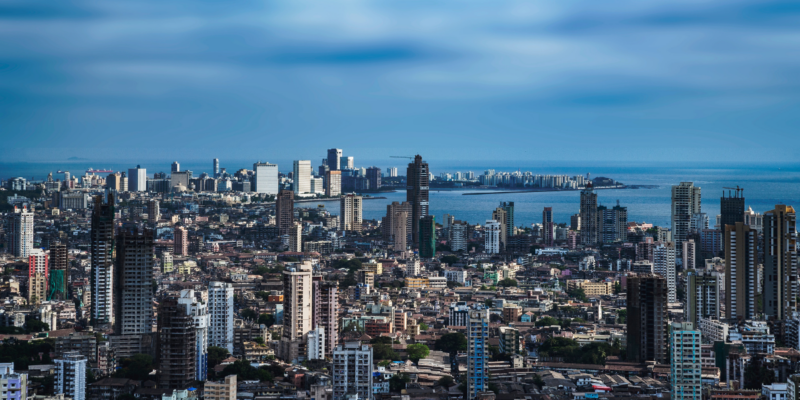
Real estate investment in Mumbai demands precision, preparation, and perspective. This guide outlines what to evaluate before you buy apartment in Mumbai, from legal compliance and budgeting to area strategy and resale potential.
Mumbai Metropolitan Region (MMR) remains one of the most competitive housing markets in India, where pricing variations and regulatory layers demand clarity before investment. High prices and limited availability make careful planning important. A clear approach can protect your capital and reduce exposure to risks.
A well-defined legal checklist before buying flat in Mumbai strengthens due diligence and ensures documentation clarity. It guides families and investors through approvals and title verification, while aligning financial planning with market realities.
This 7-step framework simplifies the journey and prepares you to buy apartment in Mumbai with greater certainty.
Table of Contents
Why You Need a Structured Checklist to Buy Apartment in Mumbai
MMR’s housing landscape is characterised by multiple approval layers and varied price segments. Regulatory norms differ across development categories, while redevelopment projects may invite more scrutiny.
Geography also plays a decisive role in value perception. South Mumbai commands premium pricing due to heritage buildings and commercial presence, while western corridors attract demand through metro connectivity, employment hubs, and waterfront living.
Such variation influences housing options, including new projects in Mumbai, across highly sought-after locales such as Parel. Higher prices increase financial exposure, which makes risk evaluation essential. A detailed checklist creates clarity and reduces uncertainty during home selection.
Step 1: Finalise Budget & Loan Eligibility
Financial preparation sets the foundation for this largest lifetime purchase. EMI planning must align with monthly income and fixed commitments. A prudent EMI outflow should not exceed 40-45% of net household income. This ratio preserves liquidity, while safeguarding financial stability over the long term.
Pre-approval improves your negotiating position while shortlisting. As per home loan eligibility Mumbai norms, banks assess credit profile and repayment capacity before releasing funds. Pre-approval letters clarify budget ceilings and prevent delays in disbursal, when you buy apartment in Mumbai.
Additional costs require equal attention. Stamp duty and registration charges in Mumbai form a substantial portion of acquisition cost. Total stamp duty stands at 6% for men and 5% for women, inclusive of 1% metro cess, while registration charges are 1% of the property value (capped at ₹30,000). After including GST and interior design, the total additional costs can go up to 20-25%.
Society maintenance charges cover common services and facility upkeep, while one-time maintenance deposit helps in creating a corpus for the years ahead.
Step 2: Choose the Right Area
Location influences pricing and demand across the city. South Mumbai carries legacy value and limited land availability, while western suburbs attract corporate professionals. Central corridors provide mid-premium housing and redevelopment supply. Families who buy apartment in Mumbai should evaluate future positioning against budget alignment.
Metro connectivity Mumbai continues to influence residential traction across corridors. Coastal Road has improved travel flow between Marine Drive and Bandra (via Worli), which further enhances the appeal of the western seafront.
Work proximity determines daily convenience. Shorter commute time improves productivity and work-life balance. Professionals seeking 3BHK flats in Mumbai increasingly prefer central hubs to balance work and personal commitments. Social infrastructure, including renowned schools and hospitals, adds practical value to selection.
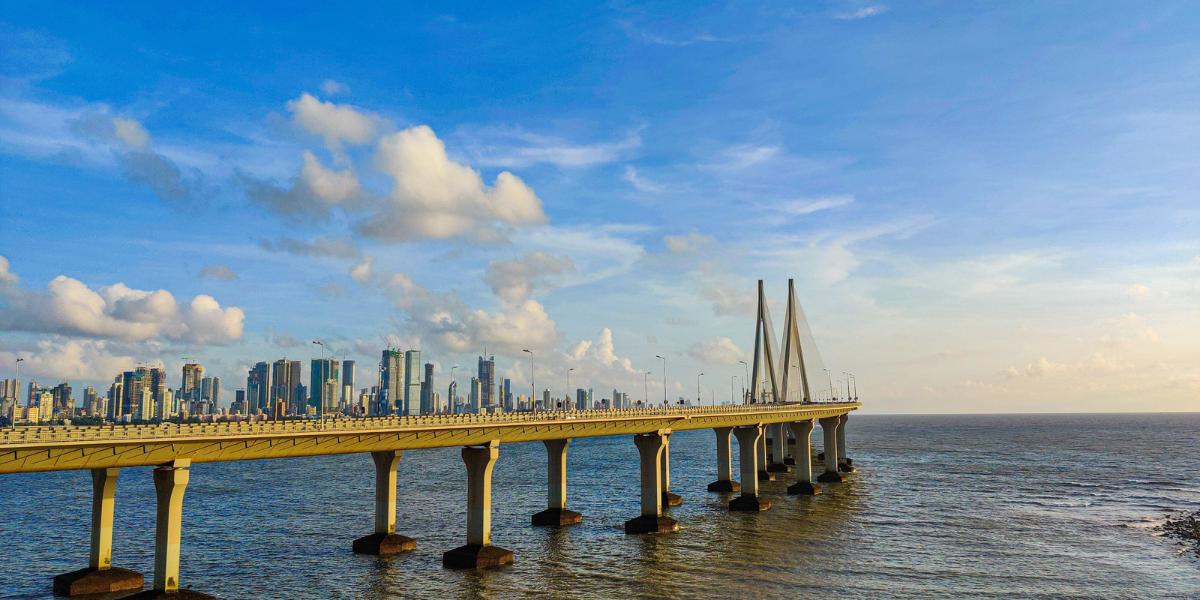
Parel is a great example of strategic location in South Mumbai. Its central placement links southernmost and western corridors through Dr. Annie Besant Road, N M Joshi Marg, Bandra Worli Sea Link, and Coastal Road. Eastern Express Highway and Eastern Freeway improve connectivity towards Sewri, Chembur, and Navi Mumbai.
Mumbai Trans Harbour Link connects to NMIA and Panvel. Railway stations at Parel, Sewri, and Prabhadevi (erstwhile Elphinstone Road) strengthen multi-line connectivity. Metro Line 3 further improves reach to Cuffe Parade, BKC, SEEPZ Andheri, and many other areas.
Such advantages guide those who buy apartment in Mumbai towards centrally located hubs.
Step 3: Evaluate Configuration Needs (2BHK vs 3BHK)
Configuration selection should align with current lifestyle and future plans. Working couples prefer compact layouts that balance space and cost. Demand for 2BHK flats in Mumbai remains steady due to rental viability. Such homes deliver efficient living without stretching financial capacity.
Families with children or seniors prefer 3BHK layouts for additional privacy. Larger configurations accommodate study corners, guest rooms, DH rooms, or hobby space. Those looking to buy apartment in Mumbai should evaluate how their household size may evolve over the next decade.
Carpet area efficiency influences functional comfort. A 2BHK unit averages around 780 sq ft, while 3BHK flats in Mumbai are sized between 945 and 1130 sq ft. Efficient planning improves furniture placement and future upgrade flexibility.
Step 4: Verify Legal & RERA Compliance
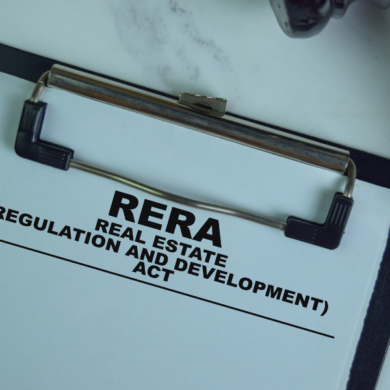
Regulatory verification protects capital and reduces exposure to disputes. Buyers must confirm registration of RERA-approved projects in Mumbai on the official portal of MahaRERA Authority.
Title clarity and sanctioned plans require independent scrutiny before proceeding. Completion Certificate and Occupancy Certificate determine possession security. Developer track record reflects delivery consistency and compliance history.
Legal diligence becomes essential before you buy apartment in Mumbai, as the market is governed by strict regulatory norms.Top of Form
Step 5: Assess Construction Quality & Amenities
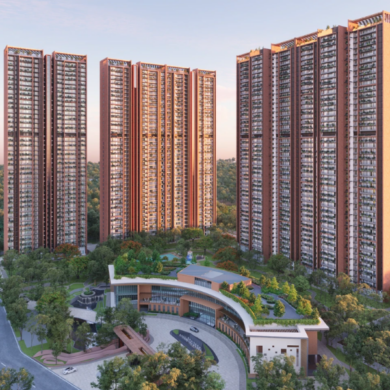
Housing format influences lifestyle and maintenance standards. Gated community flats in Mumbai attract individuals and families seeking recreational spaces and modern amenities.
Indulgences such as swimming pools and landscaped gardens elevate residential appeal. Jogging tracks, multisport courts, and gym facilities encourage active living. Multipurpose halls create community interaction zones.
Security and maintenance standards determine sustained comfort. Gated entry systems and trained security personnel ensure safety. Ventilation and layout efficiency influence natural light and spatial comfort. Open spaces and unobstructed views enhance residential value. Maintenance practices reflect how well common areas are preserved over time.
Step 6: Understand Market Trends & Pricing
Mumbai real estate market continues to display resilience across segments. As per Hindustan Times, MMR saw 13,029 property registrations in Feb 2026, marking 8% year-on-year rise from 12,066 units.
Premium demand has strengthened, with homes priced above ₹5cr rising to 8% share from 6% last year. The ₹2-5cr category expanded to 20% from 17%, indicating rising demand in higher price segments.
Redevelopment buildings attract those seeking central addresses with upgraded specifications. New launches offer advantages such as phased payments, more choice, and high ROI. Buyers evaluating 2BHK flats in Mumbai should assess delivery timelines and pricing transparency. Strong demand, available supply levels, and construction stage influence flexibility for negotiation.
Step 7: Future Growth & Resale Potential
Infrastructure expansion continues to influence residential appreciation across corridors. Developments such as tunnels linking BKC to surrounding zones and Sewri-Worli Elevated Corridor will improve traffic flow. The entire metro network is expected to be operational within the next 5 years. Such connectivity upgrades impact market sentiment positively.
Commercial expansion further reshapes demand. Reports indicate that the eastern waterfront will host new corporate developments, strengthening employment prospects. This shift increases interest in strategically located apartments in Mumbai with smooth reach to business hubs.
Price trends indicate greater concentration in premium segments. The average price in MMR is ₹24,627 per sq ft, marking nearly 25% Q-o-Q rise and ~14% annual growth. High-end launches drove this increase, while rental values rose 1-2% quarter-on-quarter. These indicators influence future resale prospects, for those who buy apartment in Mumbai.
Demand continues across mid-premium and luxury categories. Exit strategy planning should account for infrastructure timelines and capital cycles. Resale potential strengthens when location aligns with emerging commercial corridors.
FAQs
1. What should I check before I buy apartment in Mumbai?
Before you buy apartment in Mumbai, check title verification, RERA registration, legal approvals, and Occupancy Certificate.
2. Is it better to buy 2BHK or 3BHK flat in Mumbai?
The choice between 2BHK and 3BHK flat in Mumbai depends on household size and budget. 2BHKs suit professionals and small families, while 3BHKs suit growing families or multigenerational households seeking additional space.
3. What are the hidden costs while buying property in Mumbai?
Hidden costs while buying property in Mumbai include stamp duty, registration charges, GST, interior design, one-time maintenance deposit, monthly maintenance, and property tax.
4. How much stamp duty is applicable in Mumbai?
Total stamp duty applicable in Mumbai is 6% for men and 5% for women, inclusive of metro cess. Registration charges are 1% of property value, capped at ₹30,000. These rates apply on market value or govt-specified circle rate, whichever is higher.
5. How do I verify if a project is RERA-approved?
You can verify if a project is RERA-approved through the official portal of MahaRERA Authority. This website provides registration details, developer disclosures, and completion timelines – which buyers should cross-check before proceeding.
6. Which areas are best to buy apartment in Mumbai?
The best areas to buy apartment in Mumbai are Tardeo, Lower Parel, Parel, Worli, Mahalaxmi, Prabhadevi, Bandra, and certain western corridors.
7. How important is metro connectivity for property value?
Metro connectivity Mumbai is important for property value, due to reduced commute time and improved demand. Developments near operational or upcoming lines witness higher buyer interest.
8. Which documents are required while buying a flat in Mumbai?
Documents required to buy property in Mumbai include title deed, sanctioned plan, Occupancy Certificate, property tax records, and loan approval documents.
9. How does Coastal Road impact property prices?
Coastal Road impacts property prices positively, due to improved travel flow between South Mumbai and western corridors – which increases residential demand.
10. Which factors improve resale value in Mumbai?
Factors that improve resale value in Mumbai include location, modern infrastructure, project quality, maintenance standards, developer reputation, construction quality, and redevelopment plans.