

International Standards in Indian Luxury Real Estate 2025: SOBHA’s Global Quality Approach
October 29th, 2025

Amidst the growing focus on international standards Indian luxury real estate, SOBHA drives the evolution of quality, design, and global excellence.
The country reached a major milestone by ranking 31st in the JLL Global Real Estate Transparency Index (GRETI) 2024, entering the ‘Transparent’ tier for the first time. This improvement reflects better regulation, faster approvals, and accessible market data.
The introduction of RERA and digital land records has strengthened reliability in luxury real estate in India. The country’s 38th position in Global Innovation Index 2025 highlights its focus on technology and sustainability.
Recognised by JLL as one of the most improved Asia-Pacific markets, India offers transparent documentation, stronger governance, and safer investment conditions – enhancing international standards Indian luxury real estate.
Table of Contents
Understanding Global Standards in Real Estate
These are universally accepted principles defining design, construction, and sustainability benchmarks. Developers adhering to these standards use certified materials, advanced systems, and professional audits to ensure quality. They also build trust, protect buyers, and enhance resale value through verified performance.
As India embraces greater transparency and certification, investor confidence continues to grow in its international standard apartments – reinforcing its progress towards becoming a real estate market with global standards.
Major International Certifications Explained
They define how real estate projects are measured and validated against global sustainability and quality benchmarks. These certifications help developers align their projects with international standards Indian luxury real estate – while ensuring measurable efficiency, comfort, and performance.
-
LEED: Leadership in Energy and Environmental Design
LEED is a globally recognised green building rating system by the US Green Building Council. It evaluates buildings on energy efficiency, water conservation, material selection, and indoor air quality.
India ranked third worldwide in 2024 for LEED-certified space, with over 370 projects. Projects with LEED enhance brand trust and attract global investors. For high-end residential buyers, this certification underlines the commitment to international standards Indian luxury real estate, with long-term sustainability and lower operational costs.
-
IGBC: Indian Green Building Council
This Indian organisation was developed to promote sustainable design practices suited to local conditions. Rajasthan alone has over 600 certified buildings, saving up to 50% in energy and 35% in water. It is cost-effective and offers state-level incentives.
For developers exploring LEED IGBC certification luxury homes, this framework supports price compliance without compromising global credibility.
-
GRIHA: Green Rating for Integrated Habitat Assessment
Developed by The Energy and Resources Institute (TERI) and Ministry of New and Renewable Energy, GRIHA is India’s national rating system for green buildings. It follows a 3-tier evaluation that covers design, construction, and operational efficiency.
GRIHA ensures that projects deliver long-term environmental and social benefits, while maintaining comfort and energy performance. For developers focused on sustainability, this certification validates that their projects meet international standards Indian luxury real estate, suited to the country’s climate and policy environment.
-
RICS: Royal Institution of Chartered Surveyors
Professional standards for valuation, measurement, and construction management in real estate are set by RICS. Its benchmarks define transparency, ethical practices, and global compliance.
For India’s luxury housing segment, adopting these practices supports accurate valuations, uniform documentation, and audit-friendly processes. When combined with other certifications, RICS-backed processes demonstrate adherence to international standards Indian luxury real estate, appealing to institutional investors and overseas buyers.
Beyond Green: Other International Standards
Modern real estate quality extends beyond environmental sustainability. Developers implementing multiple benchmarks together achieve higher trust, long-term performance, and stronger brand differentiation in the housing market.
-
ISO Certifications: Quality, Environment, Safety
International Organization for Standardisation (ISO) certifications such as ISO 9001 (Quality Management), ISO 14001 (Environmental Management), and ISO 45001 (Occupational Safety) form the foundation for continuous improvement. These ensure quality consistency and workplace safety – vital for developers following international standards Indian luxury real estate.
-
WELL Building Standard: Wellness Certification
This certification focuses on health and wellness – evaluating parameters such as air quality, natural light, acoustics, and thermal comfort. It is increasingly used for luxury housing projects to ensure occupant wellbeing and creating a holistic living environment.
-
Fitwel Certification: Health-focused Design
Developed in the United States, this certification measures how building design supports healthy living and community wellbeing. Fitwel adds lifestyle value to gated communities, by demonstrating that international standards Indian luxury real estate include human health as a key benchmark of success.
-
RERA Compliance as Baseline Standard
Real Estate (Regulation and Development) Act serves as the baseline compliance measure in India. It enforces timely delivery, accountability, and financial transparency. Developers aligning with RERA build a solid foundation for trust and credibility, ensuring that every project adheres to ethical practices and legal safeguards that protect homebuyers’ investments.
-
International Fire and Safety Codes
Adhering to codes such as NFPA 101 ensures occupant protection through tested evacuation routes, material safety, and real-time alarm systems. Fire and life safety compliance has become an integral part of international standards Indian luxury real estate, ensuring buyer confidence and long-term durability.
SOBHA Quality Standards vs International Benchmarks
SOBHA Limited has consistently aligned itself with international standards Indian luxury real estate, through its rigorous, fully integrated model that ensures precision and reliability across every phase of development.
Backward Integration: Complete In-House Expertise
The company follows a unique backward integration model, where every stage – from material sourcing and architecture – is managed internally. This ensures complete control on quality and timelines, maintains consistency, minimises errors, and meets customer needs.
1456 Quality Checks
Each SOBHA home undergoes 1456 stringent quality checks before delivery. Thorough audits verify structural integrity and many other parameters, ensuring performance as per global norms.
IGBC Platinum Focus Across Projects
SOBHA integrates IGBC Platinum certification across projects – with energy-efficient design, water-saving systems, and waste recycling. This commitment reinforces SOBHA global approach luxury through measurable sustainability.
Global Benchmarking: Indian Luxury vs World Markets
Inspired by international real estate standards India luxury housing market continues to evolve – driven by quality construction, design innovation, and responsible development. While global cities like Dubai, Singapore, and London set benchmarks in precision, efficiency, and transparency, Indian developers are rapidly narrowing the gap.
Among them, SOBHA stands out for its industry-first backward integration model, verified certifications, and engineering discipline. Through advanced construction systems and consistent quality audits, the company continues to define international standards Indian luxury real estate, reinforcing the country’s position as a credible player in the global high-segment property market landscape.
Transparency and Regulatory Environment 2025
The regulatory landscape is evolving rapidly to support global quality standards real estate India – through strong enforcement, digital transformation, and responsible development.
RERA act ensures timely delivery, accountability, and financial transparency – creating a framework of trust for buyers and investors.
Digitisation of land records under National Land Records Modernisation Programme (NLRMP) has improved title clarity and transaction speed. The expansion of Real Estate Investment Trusts (REITs) has enhanced governance, transparency, and yield stability in the property sector.
Additionally, government initiatives such as Smart Cities Mission and PMAY Urban are promoting resilient, environmentally responsible development – together shaping a stronger, and a more transparent market.
The Business Case for International Standards
Aligning with international standards Indian luxury real estate creates tangible financial and lifestyle advantages for buyers. Certified developments are built for efficiency, reducing energy use by 40-50% and water consumption by 30-35%, resulting in lower operating costs and long-term value.
Many state governments also extend tax rebates and property concessions to green-certified projects, improving financial feasibility and encouraging responsible investment. Together, these benefits make adherence to international benchmarks a sound economic decision for modern luxury homebuyers.
How to Verify Global Standards as a Buyer
Understanding how to verify international standards for any luxury property in India ensures that buyers can take informed decisions about their investment.
- Documentation Checklist: Request certification, audits, and sustainability records verifying international standards Indian luxury real estate
- Certification Verification Process: Cross-check certification IDs on LEED, IGBC, or GRIHA websites for authenticity
- Third-Party Quality Audits: Audit reports from independent agencies reflect best practices global real estate standards India and confirm adherence to international standards
- Assessing Developer Track Record: Check for consistent record of delivery and quality, to ensure trust and transparency
SOBHA Certified Luxury Projects Showcase
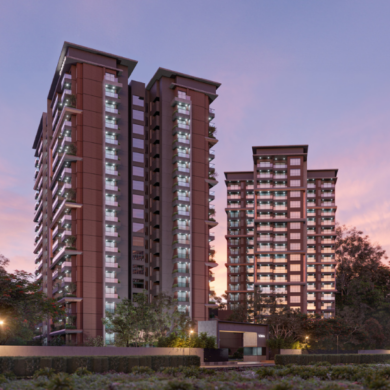
SOBHA’s award-winning developments exemplify excellence through unmatched quality, design innovation, and sustainability. Each project reflects the company’s commitment to precision, craftsmanship, and adherence to international standards Indian luxury real estate.
- SOBHA Atlantis, Kochi: Ultra Luxury Lifestyle Project of the Year (South) – Realty Plus Awards 2024
- SOBHA HRC Pristine: These luxury apartments in Bangalore won the Best Residential Project of the Year at BAM Awards 2022
- SOBHA Waterfront, Hyderabad: Ultra Luxury Lifestyle Project of the Year – Realty+ Excellence Awards 2024
- Marina One, Kochi: Outstanding Safety Performance 2023, Certificate of Appreciation 2024 – National Safety Council
- SOBHA Gardenia, Chennai: Best Architectural Plan of the Year – FICCI, 2023
- SOBHA City, Thrissur: Net Water Positive (Platinum) – IGBC 2022
Technology Integration and Smart Standards
IoT-enabled sensors, PropTech platforms, and AI-based monitoring enhance efficiency, enable predictive maintenance, and deliver transparency – helping developers follow international standards Indian luxury real estate.
Future of International Standards in Indian Real estate
Developers are integrating renewable energy to achieve net zero goals, adopting circular economy practices to minimise waste, and embracing wellness certifications such as WELL and Fitwel to enhance healthy living.
Technologies ensure design accuracy and quality control, while blockchain strengthens transparency through secure ownership and smart contracts. Together, these advancements are shaping a forward-looking, efficient, and responsible luxury real estate ecosystem in India.
Investment Perspective: Why Standards Matter
For investors and homebuyers, international standards Indian luxury real estate ensure asset protection, trust, and enduring worth. HNIs, NRIs, and institutions prefer certified developments backed by transparency, compliance, and world-class processes.
Renowned developers deliver long-term value through eco-conscious design, proven engineering, and verified certifications. For discerning investors, these projects ensure resale efficiency, appreciation, and a living experience that is at par with global excellence – the true essence of international standards Indian luxury real estate.
FAQs
What are the main international standards for luxury real estate in India?
The main international standards for luxury real estate in India include LEED, IGBC, GRIHA, and RICS certifications. These benchmarks ensure quality, safety, environmental responsibility, and ethical construction practices across projects.
What is the difference between LEED and IGBC certification?
The difference between LEED and IGBC certification lies in their origin and focus. LEED is a global rating by US Green Building Council, while IGBC is India-specific, offering regionally suited sustainability standards.
How does SOBHA ensure international quality standards?
SOBHA ensures international quality standards through its innovative backward integration model and 1456 checks before the handover of every home. This approach ensures precision, consistency, and control over every stage of development.
What are the benefits of buying IGBC or LEED certified homes?
The benefits of buying IGBC or LEED certified homes are lower energy and water consumption, long-term cost efficiency, better resale potential, and high demand among eco-conscious investors.
How can I verify international certifications on a property?
You can verify international certifications on a property by checking its registration IDs on official LEED, IGBC, or GRIHA websites. Buyers should also request documentation and third-party audit reports from developers, before purchasing.
Is GRIHA better than LEED for Indian properties?
No, GRIHA is not necessarily better, but is more tailored for Indian climatic and policy conditions. LEED offers greater global recognition, while GRIHA provides local applicability.
What is SOBHA backward integration model?
SOBHA’s backward integration model means all construction processes – from design to finishing – are handled internally. This ensures complete control over quality and timelines, and adherence to strict standards.
How many quality checks does SOBHA perform per home?
SOBHA performs 1456 quality checks per home, before the handover. These checks cover materials, structural integrity, final finishes, and more.