

Moving Towards Trust in Real Estate Trust: Benefits of Organised Sector
September 8th, 2025

Real estate trust is essential in property transactions – ensuring transparency, reducing conflicts, and fostering consumer confidence. As the sector becomes more organised, it will continue to be a key factor driving growth.
When it comes to high-value, high-stakes purchases – such as residential and commercial properties – trust forms the foundation of successful transactions. As the largest financial investment anyone can make, real estate requires transparency, reliability, and accountability. Without trust, homebuyers face an overwhelming amount of uncertainty that can lead to dissatisfaction and financial losses.
With the market evolving towards a more organised sector, the need for strong, transparent relationships between consumers and developers has never been more important. In this property market, where both parties interact with higher levels of regulation and professionalism, real estate trust is increasingly seen as a key differentiator.
It not only drives consumer confidence, but also supports a more stable and predictable market. By bridging the trust gap, both developers and buyers can benefit from smoother transactions and long-term relationships. As the housing sector adapts to newer standards of transparency, integrity, and ethics, the role of real estate trust becomes even more integral to its progress.
Table of Contents
Importance of Real Estate Trust
Since both emotional and financial stakes are high in property transactions, trust becomes a fundamental requirement. For buyers, purchasing a property involves years of saving and planning, making it an emotional decision as much as a financial one. Without trust, this process becomes fraught with anxiety, leading to poor decision-making and eventual regret.
On the flip side, developers face reputational risks when confidence is lacking. Low builder-consumer trust can have consequences – with issues such as fraud, hidden charges, delayed project deliveries, and even legal disputes tarnishing the reputation of developers. Trust goes beyond just the initial transaction; it impacts the entire buying experience.
When buyers trust developers and their commitments, it makes the entire process smoother, helping them take informed decisions. In an industry as critical as this, where the consequences of missteps can be so significant, fostering real estate trust ensures that buyers feel secure and developers build long-lasting relationships with all stakeholders. Ultimately, trust is the key ingredient to ensuring that both parties are satisfied with the transaction.
Consumer Perspective: What Builds Trust
From the point of view of homebuyers, investors, individuals, and families, building real estate trust hinges on transparency and clarity at every step. Buyers want clear project details – including pricing structure, timelines, and legal information about the property they are interested in. Real estate transparency in these areas not only mitigates risks, but also reassures buyers that there are no hidden charges or surprises in the deal.
Equally important is clear, honest communication between developers and customers, ensuring that every query is answered promptly and accurately. Buyers also appreciate verifiable credentials, such as developer’s track record and independent checks, which give them confidence in the legitimacy of the project. Site visits allow buyers to see the progress of the development firsthand, further validating the developer’s claims.
Emotional assurance also plays a significant role. When buyers feel secure and informed, it helps them proceed with confidence. Providing all necessary documentation and being available to address any concerns giving buyers the peace of mind they need to commit to the purchase.
For many, purchasing a property is not just their biggest financial transaction, but also a deeply personal milestone. Buyers want to feel that the developer understands the importance of this decision and the emotions attached to it. Reassurance through constant communication, addressing concerns, and showing empathy fosters a sense of connection between buyers and developers – enhancing real estate trust.
When buyers feel cared for and supported, they are more likely to trust the process – reducing anxiety and building loyalty for years, or even decades. When developers show that they genuinely have the buyer’s best interests at heart, it creates an emotional bond that transcends the transaction, driving higher customer satisfaction and stronger standing for the brand. This approach is integral to the organised real estate sector, where maintaining transparent, supportive relationships with buyers is paramount for long-term success.
Developer Role in Trust Creation
Developers play a pivotal role in establishing real estate trust, by adopting ethical business practices and being transparent in their dealings. This begins with providing clear and honest information, starting from project details to pricing and expected delivery timelines. By ensuring that the project progresses as promised, developers can build credibility and reliability.
Consistency in quality is another key factor; developers must ensure that the homes delivered are of the same standard as those promised initially. The use of technology is also vital in fostering real estate trust. Digital documentation, real-time updates, and tools like blockchain for secure and transparent transactions contribute to greater openness. Additionally, after the handover of the property, developers must provide robust post-possession support and excellent customer service.
Developers can further enhance their reputation by showcasing testimonials, case studies, and satisfied customer reviews, reinforcing their credibility. In the long run, building trust results in repeat buyers and referrals – helping to create a loyal customer base.
How Organised Sector Benefits from Trust
This sector stands to gain significantly from fostering trust among buyers and developers. One of the immediate benefits is enhanced reputation, which leads to stronger brand loyalty. When developers consistently deliver what they promise, buyers feel more confident and are more likely to recommend the brand to others. This reputation can lead to faster sales cycles, fewer disputes, and reduction in legal hassles – ultimately making the market more efficient.
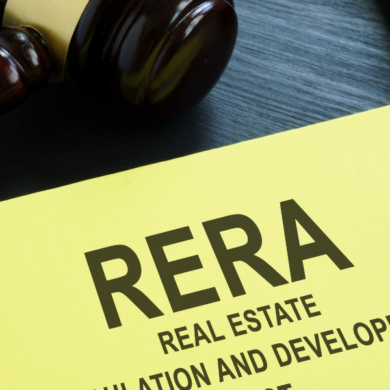
Regulatory frameworks like RERA play a significant role in enabling real estate trust, by setting standards and enforcing compliance. These frameworks ensure that developers adhere to rules, which fosters a sense of security among consumers. RERA mandates that developers register their projects, provide all the necessary details & timelines, and comply with specific standards of safety and quality.
Organised real estate sector allows buyers to take informed decisions, reducing the risks associated with delayed projects or misleading claims. Integrating residential, commercial, and retail developments into cohesive, well-managed ecosystems promotes transparency – ensuring that buyers have access to accurate information regarding project status and financial stability, and enhancing real estate trust.
With penalties for non-compliance, RERA encourages accountability, ultimately building long-term consumer confidence in India’s property sector. With organised projects, buyers can rest assured that they are investing in legally sound, well-planned developments. As buyers become more aware of the benefits of organised sector developers, trust becomes a crucial differentiator that strengthens the overall stability of the market.
Strategies to Strengthen Real Estate Trust
Promoting adherence to regulations and ensuring standardised disclosures for every project helps in enhancing transparency. Developers must also encourage a culture of professionalism and ethical conduct, emphasising honesty and responsibility in all interactions with clients.
Continuous communication between developers and buyers ensures that all parties are well-informed at every stage of the transaction. The use of advanced technology platforms for real-time updates, virtual tours, and documentation ensures that buyers have access to the latest information at their fingertips. Furthermore, collaborating with trusted legal and financial advisors guarantees that transactions are smooth, secure, and compliant with all laws.
These strategies build a foundation of trust that benefits both developers and buyers, ensuring that every transaction is transparent, fair, and secure. Strengthening trust also means improving the overall experience for consumers – helping them feel secure in their investment decisions and encouraging a stronger, more consumer-centric property market.
Conclusion
Real estate trust is increasingly becoming a competitive differentiator in India, and it will continue to drive growth in the sector. As developers and buyers move towards more organised, transparent, and consumer-focused transactions, the benefits of deepened trust are clear.
For homebuyers, investors, individuals, and families, the assurance of clear communication, transparent pricing, and ethical business practices fosters a greater sense of security. For developers, maintaining a trustworthy reputation results in loyal customers, repeat business, and stronger market positioning.
Transparent and honest communication reduces disputes and builds confidence. By consistently delivering world-class quality of construction on time, renowned companies gain loyal customer base and strong market reputation, which in turn attracts more buyers. This stability helps the entire real estate market thrive and safeguards buyers against fraudulent practices.
Moving towards an ecosystem that is strongly based on real estate trust will not only result in a more efficient and harmonious market, but also provide long-term benefits for all stakeholders. As the industry continues to evolve, the value of trust will remain central to shaping a more sustainable and customer-centric real estate environment.