

How Metro Expansion is Impacting Property Values in Bangalore
August 19th, 2025
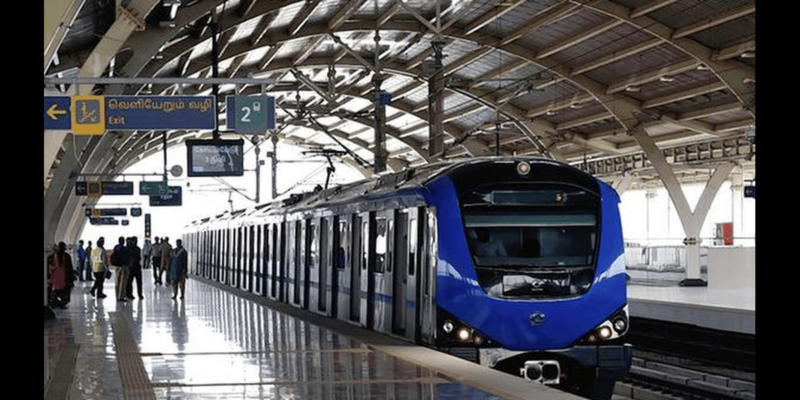
Metro expansion in Bangalore is driving property value growth, rental yields, and investment potential across the city.
Bangalore’s skyline is not just growing vertically; it is stretching further, fuelled by the city’s most ambitious infrastructure upgrade. Metro expansion in Bangalore is linking once-distant neighbourhoods with bustling commercial and tech hubs – transforming the way residents navigate the city.
For homebuyers and investors, this is more than a transport project; it is a value driver. Seamless connectivity, reduced travel times, and improved urban accessibility are turning metro corridors into high-demand real estate zones. As new lines come alive, property values are witnessing a shift that is reshaping the city’s investment landscape.
Table of Contents
Bangalore Metro Expansion: A Quick Recap
Phase 1 of Namma Metro became operational between 2011 and 2017. It introduced Purple Line from Baiyappanahalli in north-central Bangalore to Mysore Road in the southwest, and Green Line from Nagasandra in northwest to Yelachenahalli in the south – laying the foundation for enhanced metro connectivity Bangalore.
The next phase extended this reach with Phases 2A and 2B, including key stretches such as Mysore Road to Kengeri and Yelachenahalli to Silk Institute – all in the southwest – improving access to multiple residential belts. A major highlight of the expansion is the 16-station Yellow Line, inaugurated in August 2025, spanning 19 km from RV Road to Bommasandra in the southeast. It connects key hubs like Electronic City, Central Silk Board, and BTM Layout – boosting the appeal of real estate near metro stations in tech and industrial corridors.
Also Read: Hosur-Bommasandra Metro Line: Everything You Need to Know
Phase 3, approved in 2022, will add over 100 km – linking Sarjapur in southeast to Hebbal in the north, and Hosahalli to Kadabagere in the west. Key corridors where work is ongoing and will be upcoming include Outer Ring Road, Sarjapur Road, Whitefield, Kanakapura Road, Hebbal, and KR Puram. These zones are experiencing rising property demand, due to the expected enhancement in travel options.
How Metro Connectivity Affects Property Prices
Namma Metro real estate impact is evident in the steady rise of property values near operational and upcoming stations. Easy access to the network has fuelled demand among homebuyers and investors, leading to notable appreciation in prices. Areas once considered distant are now prime choices, thanks to seamless city-wide connectivity.
Improved accessibility has also shifted buyer preferences, with many prioritising proximity to metro routes over other location factors. Reduced commute times have enhanced the overall quality of urban living – making neighbourhoods along metro corridors more attractive, vibrant, and future-ready for long-term residential and investment prospects.
Area Impact Analysis
-
Whitefield
Namma Metro real estate impact has been clearly observed, with the area’s transformation. Before metro operations, prices grew moderately due to gradual demand generated by IT hubs, but limited connectivity kept some buyers away.
With the Purple Line extension now operational, travel to the city’s core and other areas, has become faster and more reliable – pushing property values upwards. Residential projects near stations such as Hope Farm and Kadugodi have seen increased interest, with both buyers and investors capitalising on improved accessibility and the area’s established commercial and lifestyle infrastructure.
-
Electronic City
Real estate near metro stations along Hosur Road has gained exceptional traction. Yellow Line’s link to Green Line at RV Road, and the upcoming interchange with Blue Line at Central Silk Board, have made Electronic City more accessible to key areas of Bangalore.
Quicker commutes to large employment zones have intensified investor interest, while rental demand from IT professionals has surged. The connectivity boost is positioning this tech hub as a long-term growth zone, with modern residential developments drawing steady absorption rates.
-
Kanakapura Road
Metro connectivity Bangalore has fuelled the area’s rapid shift, from developing zone to residential hotspot. The extension of Green Line to Silk Institute near NICE Road, and further planned routes, have shortened travel times to the city centre and tech hubs.
Buyers are increasingly drawn to Kanakapura Road’s balance of peaceful surroundings, good social infrastructure, and improved accessibility. New projects are getting launched closer to metro stations, offering diverse prices with strong potential for appreciation as connectivity strengthens further.
-
KR Puram & Hebbal
Located in Northeast and North Bangalore, these strategic growth corridors are benefiting from expanded metro connectivity and road upgrades. The under-construction Blue Line from Silk Board to the international airport, and the upcoming Sarjapur-Hebbal route, will integrate these hubs with key commercial districts.
This accessibility is attracting both residential and mixed-use developments, driving steady price growth and strengthening Bangalore property values. Proximity to major employment centres and upcoming infrastructure makes these areas highly sought-after for mid-premium and luxury housing, as they offer the right balance of connectivity, lifestyle, and investment potential.
-
Sarjapur Road & Outer Ring Road
These arterial corridors are poised for a sharp upswing, with the planned and ongoing lines connecting them to Hebbal, Central Silk Board, international airport, and many other areas of the city. This network will ease congestion and improve access to major IT parks, prompting early investor activity.
With large-scale residential projects already under development, these areas are expected to become future hotspots. Real estate near metro stations along ORR and Sarjapur Road is witnessing heightened interest, as buyers see strong appreciation potential here – given the planned transport upgrades, proximity to employment zones, and well-developed social and lifestyle infrastructure.
Metro and Rental Yields
Metro expansion in Bangalore has significantly boosted rental demand in neighbourhoods with direct access to stations. Working professionals prefer these locations for the convenience of shorter commutes, while families value the easy connectivity to educational & healthcare institutions. This demand has elevated the rental rates, especially in areas along operational and upcoming metro lines.
For investors, this trend translates into higher rental yields and improved ROI. Properties near metro corridors enjoy steady occupancy levels, making them attractive for both short-term rental income and long-term capital appreciation. This dual advantage is driving sustained interest from seasoned and new investors alike.
Developer and Buyer Sentiment
The surge of Bangalore property values along metro corridors has encouraged developers to launch premium residential projects that are strategically located near stations. These developments feature curated amenities, modern designs, and enhanced lifestyle facilities to appeal to urban buyers seeking both convenience and quality.
In turn, buyers are increasingly willing to pay a premium for homes with metro access. This preference stems from the long-term benefits of reduced travel time, improved connectivity to commercial hubs, and strong resale potential – making such properties a secure and future-ready investment choice.
Long-term Impact and Future Outlook
Namma Metro real estate impact extends far beyond immediate connectivity, laying the groundwork for sustainable urban mobility and structured city growth. As these lines integrate with other transport networks, they will reduce traffic congestion, lower pollution levels, and promote balanced residential and commercial development across Bangalore.
Over the next 5-10 years, property values near operational and planned metro stations are projected to appreciate well. Areas such as Sarjapur Road, Hebbal, and KR Puram will see accelerated demand. Investors targeting these corridors early can benefit from strong rental yields and long-term capital growth.
Conclusion
Metro expansion in Bangalore has proven to be a decisive factor in elevating property prices across multiple corridors. By transforming accessibility and reducing commute times, it has unlocked growth potential in both established and emerging neighbourhoods.
For investors and homebuyers, properties near current and upcoming metro stations offer strong prospects for appreciation and rental returns. With the city’s network set to grow further, Bangalore property values in well-connected areas are expected to rise steadily. Early investments in such locations can secure long-term value and position buyers ahead in a competitive real estate market.
FAQs
1. How does metro expansion influence Bangalore property values?
Metro expansion influences Bangalore property values positively – by improving connectivity, reducing commute times, and increasing demand for homes near stations.
2. Which areas in Bangalore have seen the highest price rise due to Namma Metro?
Areas in Bangalore that have seen the highest price rise due to Namma Metro include Whitefield, Electronic City, KR Puram, Hebbal, and Kanakapura Road.
3. Is investing in property near metro stations a good idea?
Yes, investing in property near metro stations is a good idea, as it offers strong potential for appreciation, steady rental demand, and long-term returns due to sustained buyer interest.
4. How does metro connectivity affect rental demand?
Metro connectivity Bangalore affects rental demand positively, by making areas more attractive to working professionals and families – ensuring higher occupancy rates and competitive rental yields.
5. What is the average price appreciation near Bangalore metro stations?
Average price appreciation near Bangalore metro stations has been consistently high, with values rising steadily as connectivity improves and surrounding infrastructure develops.
6. How do developers respond to metro expansion in terms of new projects?
Developers respond to metro expansion by launching premium projects closer to stations, that benefit from seamless connectivity and shorter commute times.
7. Which upcoming metro corridors are best for real estate investment?
Upcoming metro corridors that are best for real estate investment include Central Silk Board-Marathahalli-Hebbal and Sarjapur-Hebbal, due to their connectivity to major employment hubs.
8. Will the metro impact commercial real estate as well?
Yes, the metro will impact commercial real estate as well, by increasing footfall, improving accessibility for employees and clients, and making office spaces in connected areas more desirable. Namma Metro real estate impact is already visible, with demand rising for commercial hubs positioned along current and upcoming routes.
9. How far should a property be from a metro station to see a price benefit?
A property should be within 1-4 km of a metro station to see a significant price benefit, while maintaining convenience without excessive noise or congestion.
10. How does metro expansion influence the housing segment?
Metro expansion influences the housing segment by boosting demand in nearby areas, making them more accessible, and raising long-term value.