

Hosur-Bommasandra Metro Yellow Line: Inaugurated by PM Modi in 2025
September 27th, 2025
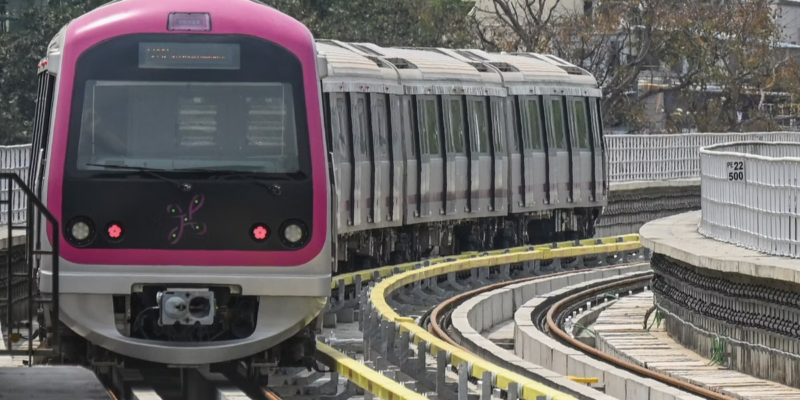
Hosur-Bommasandra Metro Line is now operational, linking key areas of South Bangalore and driving faster commutes, economic growth, and real estate opportunities across this dynamic corridor.
A key portion of South India’s first interstate metro connection is finally a reality. A milestone project, Hosur-Bommasandra Metro Line is redefining urban mobility and boosting regional economic growth. Inaugurated on 10 Aug 2025 by Prime Minister Narendra Modi, the line offers faster and more reliable travel between RV Road and Bommasandra – reducing congestion on key roads and cutting down commute times for thousands of professionals, students, and many others.
Businesses along the corridor are expected to see higher workforce efficiency and improved connectivity. Real estate markets in this belt are already experiencing renewed demand. In this blog, you can explore the route, operational status, commuter benefits, real estate implications, and future prospects of this metro corridor.
Table of Contents
Hosur-Bommasandra Metro Line: Project Overview and Route
Part of Yellow Line Metro, the core stretch presently covers 19.15 km across 16 fully elevated stations, running from Rashtreeya Vidyalaya Road (RV Road) to Delta Electronics Bommasandra. Construction began in late 2017, with civil tenders awarded in phases and the viaduct, station structures, and depot works executed by joint ventures like ITD-Cementation, Hindustan Construction Company, and others.
The depot for the line is located near Hebbagodi. The project cost is estimated to be ₹7160 crore. Here is the list of stations on Hosur-Bommasandra Metro Line:
- Rashtriya Vidyalaya Road
- Ragigudda
- Jayadeva Hospital
- BTM Layout
- Central Silk Board
- Bommanahalli
- Hongasandra
- Kudlu Gate
- Singasandra
- Hosa Road
- Berate Nagar / Beraten Agrahara
- Electronic City
- Infosys Foundation Konappana Agrahara
- Huskur Road
- Biocon Hebbagodi
- Delta Electronics Bommasandra
In its future extension phase, this line will be extended beyond Bommasandra into Tamil Nadu – with stations such as Attibele, Hosur Bus Stand, and SIPCOT – thereby converting the current Yellow Line Metro into an interstate corridor.
Recent Opening and Operational Status
Hosur-Bommasandra Metro Line was officially inaugurated by Prime Minister Narendra Modi on 10 Aug 2025. Operations began the next day, early in the morning. In the initial phase, the line is being served by 3 trainsets running at 25-minute frequency. As additional trainsets arrive, BMRCL plans to ramp up operations, targeting a reduction in headway to 15 minutes – eventually approaching full operations with more frequent trains.
The operational window is 5 am to 11 pm on weekdays, with slightly adjusted timings on Sundays (starting 7 am). The full transit time from end to end along this 19.15 km corridor is 35 minutes. Early ridership numbers have been promising. Within a day of operations, the system recorded a ridership crossing 10.48 lakh commuters across the network, a new high for Namma Metro. The Yellow Line is expected to contribute significantly to daily ridership in coming months.
Resources: Luxury Apartments in Bangalore
Key Benefits of Bangalore Metro 2025 Yellow Line
The launch of Hosur-Bommasandra Metro Line marks a major milestone for commuters, industries, and neighbourhoods along the corridor. It is not just a transport project but a catalyst for economic, social, and real estate transformation.
- Reduced Travel Time: Average commute times between Bommasandra and RV Road are now 35 minutes, helping professionals avoid traffic congestion on Hosur Road
- Decongested Roads: With thousands of daily riders expected, the metro line will significantly reduce pressure on key arterial roads and Outer Ring Road – improving overall road safety
- Better Business Connectivity: Industrial & tech hubs such as Electronic City Phase II, Bommasandra, and Attibele gain improved workforce mobility – enhancing productivity and logistics efficiency.
- Eco-friendly Transport: Metro travel reduces carbon emissions compared to private vehicles and even buses, supporting Bangalore’s green mobility goals and sustainable city planning
- Seamless Interchanges: Connections with Green, Pink, and upcoming Blue Line create a network effect – offering commuters multiple transfer points and citywide access
- Inclusive Growth: Affordable fares and wide station coverage ensure access for a broad commuter base – including students, IT employees, and industrial workers
Metro Real Estate Impact and Investment Opportunities
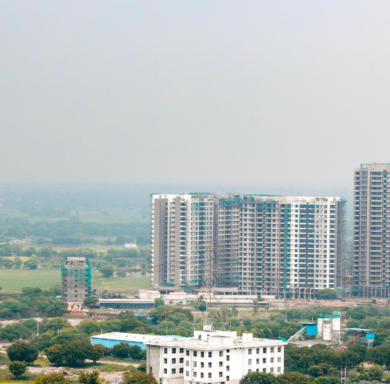
Hosur-Bommasandra Metro Line is rapidly transforming the property dynamics of South Bangalore and its surrounding growth corridors. This metro connectivity has turned once peripheral areas into highly desirable residential and investment destinations.
In the high-demand segment with ticket sizes ranging from ₹80 lakh to ₹1.5 cr, neighbourhoods located close to metro stations are among the fastest-appreciating ones in the city. The assurance of reduced travel time, better access to workplaces in Electronic City, and smooth connectivity to the city’s commercial hubs have encouraged many first-time homebuyers and investors to enter the market.
Developers have capitalised on this shift by launching new residential and mixed-use projects across the Electronic City-Bommasandra belt, showcasing transit connectivity as a core advantage. Their communication now highlights ‘metro proximity’ as a major differentiator, helping homebuyers visualise everyday convenience and long-term value appreciation.
This trend reflects the broader metro real estate impact, where improved connectivity boosts buyer confidence, accelerates decision-making, and drives faster inventory absorption. The effect is particularly significant for IT employees and industrial workforce professionals who prioritise time savings and reliable commutes, making projects near Hosur-Bommasandra Metro Line highly desirable.
The metro’s presence has also diversified investment opportunities. Growth is no longer limited to luxury gated communities, but has spread to mid-premium apartments and entry-level housing, where demand is strong and inventory turnover is faster.
Property values have seen a steady upward trajectory, with analysts projecting sustained price appreciation in the coming years as ridership numbers rise and service frequency improves. Rental demand has also intensified, with tenants actively seeking homes within 1-2km radius of stations – driving higher rental yields and reducing vacancy periods.
Overall, Hosur-Bommasandra Metro Line is reshaping buyer preferences, unlocking new residential hotspots, and positioning this corridor as one of the most promising real estate investment zones in Bangalore for both homebuyers and long-term investors.
Challenges and Future Prospects
While the line has improved connectivity, certain challenges remain that need focused attention. Last-mile access for commuters is a concern, with many areas around stations still requiring better feeder services, pedestrian infrastructure, and parking facilities. Station area development must also progress in a planned manner, to create safer and more convenient transit hubs.
Service frequency on this line of Bangalore Metro 2025 is expected to improve as additional trainsets are introduced, reducing waiting times. Future extensions toward Attibele and Hosur will be important to fully realise the corridor’s interstate potential, drive economic integration, and sustain long-term real estate growth in the region.
Browse Now: Buying Apartments in Hoskote
Conclusion
The partial inauguration of Hosur-Bommasandra Metro Line in 2025 marks a truly transformative moment for Bangalore’s infrastructure and urban mobility. By connecting Bommasandra’s thriving industrial belt with the city’s commercial and residential hubs, and laying the groundwork for the future extension to Hosur, the Yellow Line is reshaping how people travel, work, and invest.
This metro corridor has reduced dependency on road transport, cut travel time to nearly half, and offered a safe, reliable, and eco-friendly alternative for thousands of commuters every day. Businesses across Electronic City, Hosur Road, and Bommasandra now enjoy smoother workforce access and better logistics support – improving productivity.
Neighbourhoods along the route are witnessing a surge in residential demand, faster sales, and rising rental yields. As train frequency increases and extensions are completed, Hosur-Bommasandra Metro Line will continue to drive economic growth, support sustainable development, and redefine the future of South Bangalore’s urban experience.
FAQs
1. What is the Hosur-Bommasandra Metro Line?
Hosur-Bommasandra Metro Line is a major part of Bangalore’s Yellow Line network, linking RV Road and Bommasandra across 16 elevated stations, with planned extension into Hosur, Tamil Nadu.
2. When was the metro line officially inaugurated?
The metro line was officially inaugurated on 10 Aug 2025 by Prime Minister Narendra Modi, with services starting the next day.
3. Which stations are included in this metro line?
Stations included in this metro line are RV Road, Ragigudda, Jayadeva Hospital, BTM Layout, Central Silk Board, Bommanahalli, Kudlu Gate, Singasandra, Hosa Road, Beratena Agrahara, Konappana Agrahara, Huskur Road, Biocon Hebbagodi, and Delta Electronics Bommasandra.
4. How does this metro line benefit commuters?
This metro line benefits commuters by reducing end-to-end travel time to 35 minutes, decongesting major roads, and offering seamless interchange connectivity with other metro lines.
5. What impact does Hosur-Bommasandra Metro Line have on real estate?
Hosur-Bommasandra Metro Line has a major impact on real estate – by boosting property demand, pushing faster absorption rates, and increasing rental yields in areas along the Yellow Line corridor.