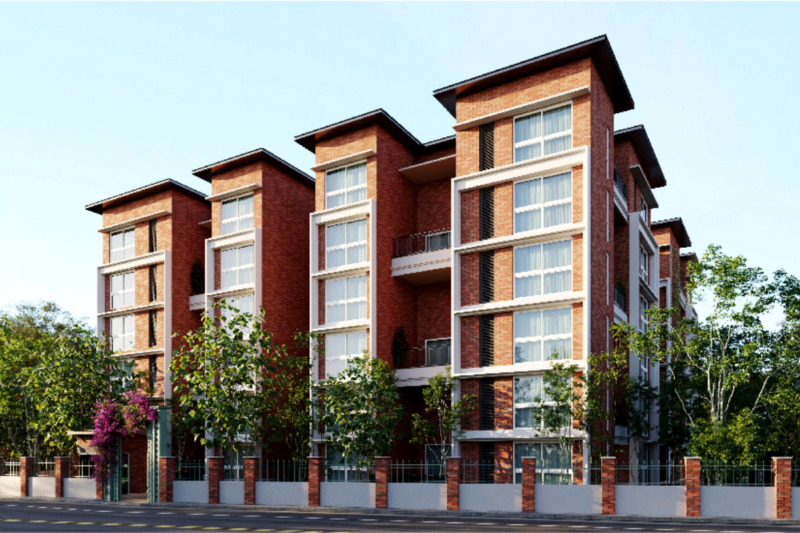



Choosing the right home balancing lifestyle needs, financial considerations, and future goals. By evaluating budget, location, property type, and essential features, you can take an informed, lasting decision.
Owning a house is an important decision that impacts both your lifestyle and financial goals. It is essential to balance your desires with practical considerations, making sure your new home supports your current and future needs while fitting into your budget. Many buyers face the challenge of reconciling what they want with what they can afford, leading to stress and indecision.
This blog serves as a homebuying guide, for you to select a house that aligns with your lifestyle and budget. From assessing your lifestyle needs to legal and financial due diligence, you will know how to take an informed, balanced decision that suits both your heart and your wallet.
Table of Contents
Assess Your Lifestyle Needs
As you dive into the process, it is essential to evaluate your current and future lifestyle and home choice. Here is a breakdown of the factors to consider:
- Current lifestyle factors: Consider your family size, whether you have pets, and your work-from-home requirements. If you enjoy certain hobbies or need extra space for them, like a home gym or dedicated office, make sure these aspects are factored into your decision.
- Future lifestyle goals: Think about how your family or work situation might change. For example, are you planning to expand your family or need space to care for ageing parents? Consider these factors to ensure the home you choose will still meet your needs in the coming years.
- Established vs upcoming areas: Decide where you would like to live, based on your lifestyle preferences. Core areas offer better access to workplaces and entertainment hubs, while developing areas may offer more space and quieter environments.
- Commuting, educational & healthcare institutions: Location is key. Proximity to offices, leading schools, hospitals, and social and recreational activities should play an important role in your decision.
Set a Realistic Budget
One of the most important aspects of selecting the right home is understanding what you can afford. Thoughtfully planned budget helps you avoid financial stress and ensures you select a home accordingly. Here is how this homebuying guide can help you set a sensible budget:
- Understanding total cost: Factor in the down payment, monthly EMI, taxes, and ongoing maintenance costs. Many buyers overlook hidden expenses such as property taxes, association fees, and utilities, which can affect the overall financial outlay.
- Tools to estimate cost: Home loan calculators and pre-approval processes can give you a clear estimate, by helping you understand how much you can borrow and at what interest rate. Also, they can give you insights into monthly EMIs, helping you assess the impact on your cash flow and budget. These housing tips can guide you in ensuring your budget aligns with your long-term goals.
- Emergency buffer and long-term financial planning: It is essential to keep an emergency fund aside for unforeseen expenses. Additionally, plan for long-term financial goals, such as retirement savings and potential upgrades to your home.
- Rent vs buy considerations: If your budget is tight or long-term plans are not finalised, renting might be a better option. However, buying a home offers financial benefits if you are planning to stay in one place for many years.
Types of Properties and What They Offer
While choosing the right home, it is essential to understand the different types of properties available and how each option suits your lifestyle. Each type has its unique advantages, and relevant housing tips can have positive lifestyle implications:
- Apartments: Ideal for individuals or small families seeking convenience and minimal maintenance. Apartments may come with amenities such as gyms, swimming pools, and security, but can have limited space.
- Villas: Offer greater privacy and space, making them ideal for larger families or those who need more room for personal activities. Villas also offer outdoor spaces like gardens and private pools, but come with higher maintenance costs.
- Row Houses: These homes offer a balance between privacy and community living. They are an excellent choice for families looking for both space and a sense of community.
- Plots: If you prefer to design your home or want more flexibility in terms of space, purchasing a plot can be a great option. However, it comes with the challenge of additional construction costs and time.
- Gated Communities vs Standalone Properties: Gated projects offer enhanced security and amenities such as clubhouses and multisport courts. On the other hand, standalone properties provide more independence and larger plots, but lack common facilities.
- New vs Resale Properties: New properties come with the latest design and modern amenities, but may be more expensive. Resale properties are cheaper, but may require renovations and may not offer the same modern features as new builds.
Prioritise Features Based on Lifestyle and Home Choice
Once you have narrowed down your property type, the next step is to identify which features are non-negotiable for your lifestyle. With this homebuying guide, you can ensure that the house you choose supports your day-to-day needs and long-term goals. Here is how to prioritise:
- Must-have vs good-to-have amenities: Start by identifying your essential needs. Home gym, green spaces, or smart home features might be necessary for you. If they are not essential but still desirable – like swimming pool or home theatre – they can be considered as good-to-haves.
- Floor plan efficiency and usable space: A well-designed floor plan maximises usable space. Ensure that the layout of the home is functional, with enough room for your current needs and flexibility for future changes.
- Balcony, kitchen size, storage, parking: Consider the size of the kitchen if you love cooking or entertaining, and check if there is enough storage space. A balcony or a spacious parking area may be important if you enjoy outdoor connect or need additional storage.
- Community culture and neighbourhood: This plays a key role in how comfortable you feel in your new home. Research the area’s environment, whether it is quiet and family-friendly or bustling with nightlife – to ensure it aligns with your lifestyle and home choice.
Location Matters
This plays a significant role in the convenience, value, and overall living experience in your residence. While choosing the right home, it is essential to evaluate the location based on key factors that impact your daily life and long-term goals:
- Proximity to workplaces, schools, hospitals, and entertainment hubs: Ideally, your home should be located such that commuting time is minimised. Also consider proximity to good educational & healthcare institutions, shopping centres, and parks – for a balanced lifestyle.
- Infrastructure and future development: Look into the current state and future plans, of the area’s infrastructure. Areas with planned growth – such as new roads, metro lines, or commercial hubs – have significant potential for long-term value appreciation.
- Local real estate trends and appreciation potential: Research the local real estate market to understand property value trends in the area. A location with steady appreciation potential ensures a good living environment and profitable investment in the long term.
Legal and Financial Due Diligence
This ensures that you are choosing the right home and making a sound investment, free from any future complications. Here is what you should consider:
- Verifying property documents, RERA registration: Ensure the property is legally sound, by checking that the developer has valid approvals and that the property is registered with the state’s RERA Authority.
- Hidden costs and charges: Understand all potential hidden costs associated with purchasing a home – such as stamp duty, registration fees, legal charges, and additional maintenance costs. These can add up quickly and affect your overall budget.
- Choosing the right home loan lender and plan: Selecting a reliable bank is key to a smooth financing process. Research various loan plans, interest rates, and repayment terms, to find one that suits your financial situation and long-term goals.
Involve the Right Professionals
Purchasing a home is a big decision, and having the right professionals by your side can make the process smoother and more efficient. Here are the key experts you should consider gaining insightful housing tips from.
- Importance of a good real estate consultant: A knowledgeable consultant can serve as your homebuying guide, by helping you find properties that meet your requirements and negotiating the best deal.
- Consulting financial planners or advisors: An advisor can help you assess your budget, manage finances, and guide you on loan options. They can also ensure that the purchase aligns with your long-term financial goals.
- Interior designers or architects: If you are planning to modify or customise the home, they can help you visualise the space and ensure that interior decor or renovations align with your lifestyle and home choice.
Common Mistakes to Avoid
The homebuying journey can be exciting but also overwhelming as choosing the right home is not an east task. Here are some common pitfalls to avoid:
- Overstretching the budget: Many buyers fall into the trap of purchasing a home that is just above their budget. It is important to stick to a price range that keeps your finances stable in the long term, factoring in all additional expenses.
- Ignoring resale value: Do not focus only on how the home fits your needs today. Consider the resale value. A property may seem perfect now, but its market value and desirability might decline in the future.
- Focusing only on aesthetics, ignoring functionality: While a home’s design is important, functionality should never be compromised. Ensure that the space meets your practical needs and can accommodate your lifestyle in the long run.
- Not considering future needs: It is important to think beyond your current situation. Consider factors like potential family growth, changes in work-from-home needs, or even elderly care. A home that accommodates future changes will save you from having to move again.
Conclusion
Choosing the right home should attain that delicate balance between comfort and functionality. By evaluating your lifestyle, setting a realistic budget, and prioritising essential features, you can take an informed decision that aligns with both your needs and your finances. Talk to experts for top housing tips, and avoid rushing into a decision. A home is a long-term investment, so choose wisely.
FAQs
1. Which lifestyle factors should I consider before buying a home?
Lifestyle factors that you should consider before buying a home include your family size, whether you have pets, your work-from-home needs, and personal hobbies that may require extra space.
2. How do I calculate a realistic homebuying budget?
You can calculate a realistic homebuying budget – by factoring in the down payment, monthly EMIs, taxes, and ongoing maintenance costs. Use online home loan calculators and get loan pre-approval to estimate your budget, as per recommended housing tips.
3. Should I buy a bigger home for future needs?
You can buy a bigger home for future needs, but it is important to balance that with the financial situation. Consider whether you can comfortably afford a larger property now, and if the extra space will genuinely benefit your lifestyle and long-term plans.
4. Is it better to buy in the city or suburbs?
Choosing between the city or suburbs depends on your lifestyle and home choice. City living offers convenience with easy access to workplaces, schools, and entertainment hubs, but can be more expensive. Suburban homes offer more space at lower prices, but may require longer commutes.
5. What is the best way to compare properties?
The best way to compare properties is by evaluating key factors like price, location, size, amenities, and future value – as per recommended housing tips.
6. How much emergency fund should I keep aside before buying?
Emergency fund that you should keep aside before buying home should cover 3-6 months of living expenses. This ensures you are financially prepared for unexpected costs that may arise during or after the purchase.
7. What are hidden costs in homebuying?
Hidden costs in homebuying include stamp duty, registration charges, interior design, one-time maintenance deposit, monthly maintenance, home insurance, and annual property tax.
8. How can I check if a property is legally safe to buy?
You can check if a property is legally safe to buy, by ensuring it has proper documentation such as clear land titles and RERA registration.
9. How important is the neighbourhood as per homebuying guide?
Neighbourhood is quite important as per homebuying guide – as it can elevate your quality of life, enhance safety, and offer proximity to leading schools, colleges, hospitals, parks, transport hubs, and recreational facilities.
10. Can I get a home loan if I have an average credit score?
You can get a home loan if you have an average credit score, although it may come with higher interest rates or additional requirements.