


What is Driving the Demand for Real Estate in Mumbai in 2026? Key Factors Explained


The demand for real estate in Mumbai 2026 grows stronger as infrastructure projects, metro lines, premium developments, and investor sentiment shape a more connected, aspirational and future-ready housing market.
The property landscape of MMR (Mumbai Metropolitan Region) is undergoing a significant shift, as homebuyers and investors respond to rapid improvements in infrastructure, expanding business hubs, and rising aspirations for premium living. The city’s evolving connectivity network – including new metro lines and major road corridors – has unlocked better accessibility between residential and commercial hubs, encouraging stronger buying activity.
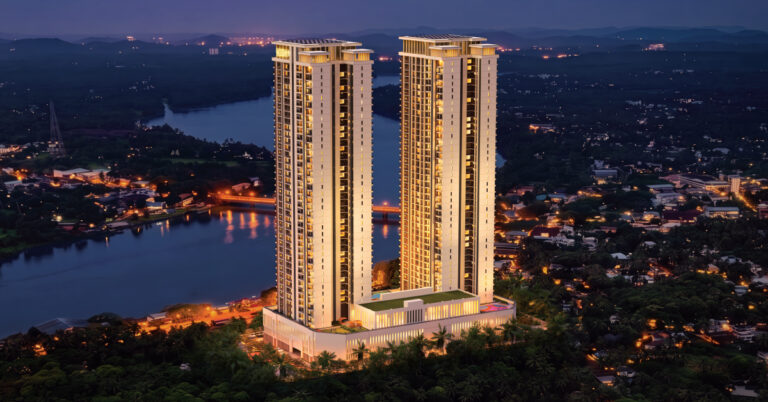
Developers are introducing contemporary high-rises with curated amenities and refined waterfront residences, that align with the changing expectations of urban buyers. These shifts collectively shape the growing demand for real estate in Mumbai 2026 – influencing preferences across premium, luxury, and investment-focused categories.
This blog explains the key factors driving MMR’s property demand this year, and how they impact homebuying decisions across the city.
-
Table of Contents
Infrastructure Growth Transforming Connectivity
Next-gen infrastructure is reshaping commuting patterns and encouraging stronger residential activity across multiple corridors. The inauguration of Navi Mumbai International Airport on 8 Oct, with commercial operations beginning 25 Dec 2025 has already boosted interest in homes located near Mumbai Trans Harbour Link (MTHL) / Atal Setu – for example, apartments in Mumbai within areas such as Parel, Lower Parel, Dadar, and Wadala.
The city’s Coastal Road network is also expanding its reach. The upcoming ₹2337cr elevated DBLR project towards Bhayandar will ease congestion along the western coastline, creating smoother north-south movement.
These mobility improvements further elevate the demand for real estate in Mumbai 2026, in areas where reduced travel time strengthens lifestyle appeal and long-term investment potential.
Metro impact on Mumbai real estate continues to be one of the strongest catalysts. With Line 3 now completely operational, city-wide access has improved substantially. Featuring 11 stations, the approved Line 8 will connect CSM International Airport with Navi Mumbai International Airport, reinforcing the regional growth network and enhancing future mobility.
Iconic lifestyle infrastructure is also shaping new growth areas. CIDCO’s plan to develop India’s first multipurpose Indoor Entertainment Arena in Navi Mumbai adds cultural and leisure value to the region, improving desirability for both residents and investors.
All these upgrades – strengthened further by Bandra Worli Sea Link, Western & Eastern Express Highways, and Eastern Freeway – collectively accelerate the demand for real estate in Mumbai 2026, positioning the city for a more efficient, interconnected, and future-ready urban experience.
-
Rising Demand in Luxury and Premium Segments
The housing landscape of MMR continues to evolve – as affluent buyers prioritise spacious layouts, curated amenities, and high-rise residences in neighbourhoods that ensure both lifestyle comfort and future appreciation. This has significantly boosted the demand for real estate in Mumbai 2026, especially across established luxury corridors in the South.
A notable highlight is Worli, where premium tower residences now command ₹65,000 to ₹100,000+ per sq ft, placing the area at par with New York’s Lower Manhattan.
This pricing trajectory reflects the growing appetite for sea-facing apartments in Mumbai in highly sought-after areas such as Lower Parel, Parel, Mahalaxmi, and Tardeo. Luxury developments offering wellness amenities and global design sensibilities are sought by HNIs, CXOs, business families, and NRIs – for their long-term value and exclusivity.
The rise of hybrid work models has further encouraged buyers to choose premium homes with private workspaces, panoramic city or sea views, and upgraded privacy.
Industry trends reaffirm that luxury apartments in Mumbai demand has expanded considerably post-2023 – driven by rising incomes, improved connectivity, and evolving lifestyle aspirations. As a result, this segment has become a core pillar of the demand for real estate in Mumbai 2026, shaping both new launches and resale activity across prime neighbourhoods.
-
Economic and Financial Drivers
Mumbai’s economic landscape is strengthening rapidly as large-scale policy reforms, global business engagement, and infrastructure-led commercial expansion reshape the city’s financial outlook.
High-profile events – such as the 10th Global Economic Summit that brought together 500+ delegates from 35 countries – and the accelerated investment activity highlight Maharashtra’s policy priorities and future-ready business vision. These developments create strong employment funnels across BFSI, technology, consulting, logistics, and creative sectors – supporting the demand for real estate in Mumbai 2026 by driving purchasing power and attracting professionals for the long term.
Strategic economic diversification is also taking shape through the Integrated Port Master Plan 2047, unveiled by Mumbai Port Authority. The plan outlines a comprehensive roadmap to expand capacity, improve operational efficiency, and diversify the 150-year-old port’s economic contribution – reinforcing the region’s logistics and maritime strength.
Enhanced trade capability correlates with rising demand for residential hubs near commercial zones, boosting the demand for real estate in Mumbai 2026 in well-connected neighbourhoods.
Additionally, MMR is on track to surpass trillion-dollar GDP and become one of the world’s leading urban economies by 2047.
This long-term economic trajectory fosters stronger investor sentiment, stable rental markets, and sustained job creation – all of which reinforce housing demand across mid-premium, luxury, and investment-led areas.
-
Urbanisation and Demographic Shifts
Mumbai’s demographic landscape continues to evolve as sustained urbanisation, rising white-collar migration, and growing demand from younger households reshape residential priorities. The influx of professionals into key employment hubs – BKC, Lower Parel, Andheri East, Powai, and Navi Mumbai – has resulted in shifting preferences toward well-connected areas with reliable social infrastructure. This movement contributes directly to the demand for real estate in Mumbai 2026, especially as more working families prioritise shorter commutes, lifestyle convenience, and gated communities.

India’s growing millennial workforce also plays a significant role. With improved income stability and stronger financial planning habits, a larger share of first-time buyers is entering the housing market earlier than in previous generations. This has intensified interest in modern apartments designed with flexible layouts, WFH readiness, and gated community amenities – a trend further supported by rising Mumbai sea-facing flats demand.
-
Emerging Areas and Growth Pockets
Large-scale infrastructure, expanding commercial clusters, and shifting buyer preferences are unlocking new growth corridors. Locations such as Lower Parel, Worli, Chembur, Wadala, and Parel are attracting sustained traction from families and investors seeking well-connected homes with long-term appreciation potential – leading to higher demand for premium apartments in Worli and upscale apartments in Lower Parel.
These areas also benefit from existing & upcoming metro lines, improved arterial roads, entertainment avenues, and faster connectivity to CBDs – collectively strengthening the demand for real estate in Mumbai 2026.
Parel has emerged as a vibrant urban hub where new-age residential offerings blend luxury living with exceptional connectivity. Located on Jerbai Wadia Road, SOBHA Inizio introduces global standards of quality and refinement – through its meticulously crafted 2 & 3 bed residences, curated amenities, and panoramic views of Arabian Sea and MTHL. To know more about this recently launched high-rise, call 08046464500 or visit the official project page.
Growth areas near upcoming transit lines have also shown rising traction – resulting in higher demand for corporate-centric apartments in BKC. Such neighbourhoods appeal to professionals prioritising seamless mobility, lifestyle amenities, and rental potential – contributing further to the demand for real estate in Mumbai 2026.

Conclusion
MMR’s real estate landscape in 2026 reflects a dynamic interplay of infrastructure upgrades, economic expansion, lifestyle evolution, and shifting buyer aspirations. As connectivity improves and new growth corridors emerge, demand strengthens across luxury, ultra-luxury, and investment-led segments.
These forces collectively shape the growing demand for real estate in Mumbai 2026, positioning the city as one of India’s most future-ready housing markets. For homebuyers, the opportunities span both established hubs and rapidly transforming areas across MMR.
FAQs
What are the main drivers of demand for real estate in Mumbai 2026?
The main drivers of demand for real estate in Mumbai 2026 include major infrastructure upgrades, luxury housing growth, new economic opportunities, and rising investor confidence.
How is metro connectivity impacting property demand in MMR?
Metro connectivity is impacting property demand in MMR positively – by reducing commute times, improving city-wide access, and increasing buyer interest in neighbourhoods along operational and upcoming lines.
Which segments see the highest demand for real estate in Mumbai 2026?
Segments that see the highest demand for real estate in Mumbai 2026 include premium high-rises, luxury waterfront homes, and well-connected areas near major commercial corridors.
Are sea-facing apartments in Mumbai in strong demand?
Yes, sea-facing apartments in Mumbai are in strong demand, due to limited coastline supply, premium lifestyle appeal, and rising buyer interest in waterfront residences.
How do interest rates influence homebuying in Mumbai?
Interest rates influence homebuying in Mumbai by shaping monthly loan commitments and determining overall cost.
What role do investors play in Mumbai’s real estate growth?
Investors play a key role in Mumbai’s real estate growth by driving sales in high-yield areas and supporting demand for long-term capital appreciation assets.
Which localities are emerging as new growth areas?
Localities that are emerging as new growth areas include Parel, Worli, Lower Parel, BKC, and Chembur – due to transit upgrades and expanding employment access.
How can buyers benefit from Mumbai’s real estate demand trends?
Buyers can benefit from Mumbai’s real estate demand trends by securing homes early in developing corridors, leveraging long-term appreciation, and choosing well-connected projects.
You might also like