

What Long-term Buyers Track Before They Buy Flats in Mumbai’s BKC and Adjoining Business Districts
January 3rd, 2026
Long-term buyers carefully evaluate flats in Mumbai near BKC through business stability, redevelopment resilience, and rental depth – to ensure future-ready appreciation, security, and sustained value.
Homebuyers approach flats in Mumbai around BKC and adjoining CBDs with structured evaluation – prioritising business ecosystem strength, seamless connectivity, quicker redevelopment, and resilient rental prospects.
With Metro Line connectivity, coastal link upgrades, airport proximity, and sustained renting momentum, buyers evaluate not just today’s convenience but tomorrow’s liquidity, legacy value, and generational security. They measure appreciation logic, legal soundness, and demographic suitability before committing.
This blog acts as flats in Mumbai BKC business district checklist, helping investors and families evaluate properties conveniently.
Table of Contents
Location Stability Metrics
For those planning to buy a flat in Mumbai BKC for long-term investment 2026, the area and its surrounding locales present a powerful blend of stability, infrastructure resilience, and price maturity. This section explains how corporate leasing strength, metro connectivity, premium road links, and redevelopment opportunities shape enduring demand in and around BKC.
-
BKC Corporate Rental Yields
Corporate demand stems from large multinationals and financial firms driving consistent hiring. This creates sustained office absorption and supports residential take-up from executives seeking proximity. BKC corporate leasing stability enhances trust in long-term rental prospects, as companies renew and expand over cycles.
-
Metro Line 3
Aqua Metro Line substantially improves transit access between BKC and many other areas. This reduces commute times and boosts appeal for professionals choosing flats in Mumbai for live-work convenience. Enhanced connectivity strengthens price resilience as mobility becomes a differentiator.
-
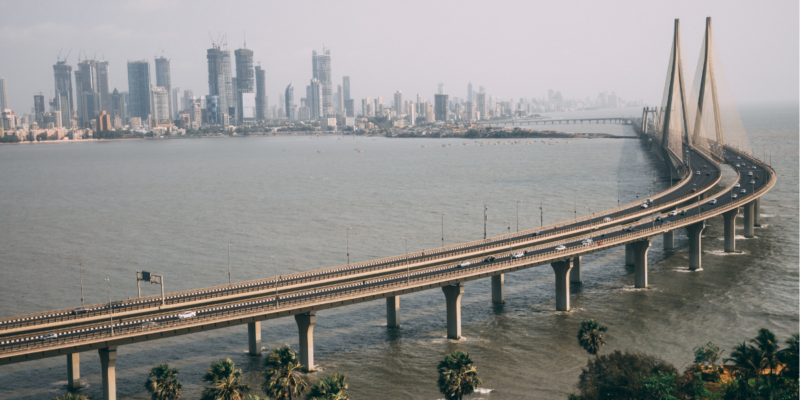
Bandra Worli Sea Link
This connectivity reinforces demand for properties that benefit from swift citywide access. Peak-hour journeys to South and Central Mumbai have become shorter, making BKC-adjoining areas more attractive. This multiplier effect supports enduring residential interest across cycles.
-
Lower Parel Redevelopment
Redevelopment zones add depth to the investment logic of flats in Mumbai, with favourable FSI potential. Higher FSI drives new inventory and incentivises quality projects that appeal to discerning buyers. This succession play enhances long-term price appreciation prospects.
Infrastructure Roadmap Shaping Value of Flats in South Mumbai
Infrastructure transformation consistently elevates flats in Mumbai, especially around BKC, Parel, and Dadar – by improving accessibility, reducing commute times, and attracting long-term buyer confidence. In this section, you can understand how improved connectivity, stronger business access, and enhanced lifestyle assurance enhance property in South Mumbai & Metro Line 3 appreciation trends.
-
Coastal Road Advantage
Expected to be used by 130,000 vehicles daily, it is significantly enhancing connectivity along the western edge of the city, linking Marine Lines to Kandivali in a faster corridor. Reduced travel time between South Mumbai and western suburbs will elevate convenience for professionals and families. This improved access stimulates buyer demand and is already reflected in rising property values near the route.
-
Eastern Freeway
Extended through key flyover and connector projects, these cuts travel time between eastern suburbs, South Mumbai, and central business hubs. This accessibility premium enhances desirability for flats in Mumbai among buyers seeking better commute efficiency. Improved east-west connections also reduce dependence on arterial roads, making travel more predictable for homeowners.
-
Seamless Skywalk Access
Pedestrian skywalks and multimodal access points close to major transit hubs boost the walk-to-work appeal for residents of well-connected flats in Mumbai. For professionals working in BKC and South Mumbai’s business hubs, these walkability enhancements add practical value beyond transport speed alone. The convenience of seamless last-mile connectivity supports both resale strength and lifestyle ease.
-
International Airport Connectivity
Ongoing road and tunnel projects aimed at faster access to Navi Mumbai International Airport are already reshaping mobility expectations across Mumbai Metropolitan Region (MMR). These integrated corridors will significantly cut travel time, offering future-ready convenience for frequent flyers and business travellers. Connectivity to the existing Chhatrapati Shivaji Maharaj International Airport continues to improve through upgraded road networks, coastal corridors, and better intra-city linkages.
Together, these developments strengthen the city’s air-travel accessibility, enhance lifestyle convenience, and further reinforce confidence in centrally located residential neighbourhoods.
Financial Due Diligence for Property in South Mumbai
Long-term buyers prioritise financial rigour to ensure returns outpace inflation. They evaluate flats for sale in South Mumbai and the corporate rental yields closely, to track multinational presence and sustained tenancy.
In this section, you can explore how appreciation forecasts align with inflation, how yield benchmarks compare between business corridors, which anticipated Budget 2026 fiscal considerations matter, and how FEMA repatriation guidelines intersect with succession planning.
-
Appreciation Projections vs Inflation
In the long term, MMR real estate has historically delivered strong value growth balancing both inflation and investor expectations, with city-wide residential ROI averaging 8-10% in recent years.
This reflects a mix of capital appreciation and rental income, even as macro inflationary pressures persist – reinforcing flats in Mumbai as a hedged asset class. Buyers calibrate expected long-term gains against historical performance, to validate pricing and timing of entry.

-
Yield Benchmarks: BKC vs Bandra-Kurla Fringe
Rental yields in the city’s core business corridors remain in a moderate yet dependable band, balancing premium pricing with strong tenant demand – especially around BKC and adjoining neighbourhoods. Investors assess properties in these central zones against wider city performance, to understand cash flow strength – with business proximity ensuring steady demand even during softer rental cycles.
-
Budget 2026 Possible Benefits: Stamp Duty + 80C
Financial due diligence for flats in Mumbai includes evaluating stamp duty implications and eligible tax deductions under 80C for home loan interest and principal components. Maharashtra stamp duty rates are around 5-6% of property value with concessions for certain segments.
Buyers model after-tax holding costs and expected savings against long-term return projections to optimise investment timing and structure. This careful fiscal calculus supports risk-adjusted positioning in high-value markets such as South and Central Mumbai.
-
NRI FEMA Repatriation
Expats follow RBI rules that allow post-tax repatriation of sale proceeds and rental income of up to USD 1mn per financial year under prescribed documentation. This guidance forms a key pillar in cross-border investment strategy, as buyers map exit scenarios and multigenerational wealth transfer.
Buyers of Flats for Sale in South Mumbai
BKC and premium southern areas attract those who value stability, legacy, convenience, and global lifestyle readiness. In this section, you can understand how elite families, corporate expats, professionals, and legacy planners shape sustained demand for flats in Mumbai.
-
Multigenerational HNI Families
They choose flats in Mumbai as they prioritise lifestyle, privacy, and room flexibility that supports older parents, children, and future needs. This creates enduring stability, as such buyers do not exit quickly – strengthening long-term price sustainability in South Mumbai.
-
Corporate Expat: Rental Gains
Corporate leaders and NRIs working in BKC and adjoining corridors form a consistent tenant base for luxury residences. They value international-standard amenities, safety, proximity to offices, and social infrastructure – making these locations especially tenancy-resilient.
This demographic stability aligns with demand for flats for sale in South Mumbai, as global corporate presence continues to anchor areas such as BKC, Dadar, Parel, and Lower Parel.
How Long-term Buyers Mitigate Risk
- Redevelopment Title Clarity Verification: These buyers ensure watertight legal titles, RERA compliance, and society approvals before finalising flats in Mumbai – to avoid legacy disputes
- FSI Potential Upside Modelling: They assess future density and Lower Parel redevelopment FSI risks, to safeguard value positioning
- Construction Quality & Lifecycle Risk Filtering: Long-term investors prioritise structural reliability, waterproofing strength, and maintenance efficiency to minimise lifecycle risk
FAQs
What do long-term buyers track before exploring BKC homes?
Before exploring BKC homes, long-term buyers track the strength of business ecosystem, reliability of connectivity, legal & regulatory clarity, rental depth resilience, and proven appreciation maturity.
How does Metro Line 3 impact prices of South Mumbai residences?
Metro Line 3 positively impacts prices of South Mumbai residences by enhancing commute reliability, strengthening accessibility, and reinforcing premium positioning of multiple areas.
BKC corporate rental yields vs Bandra: which offers better long-term returns?
BKC corporate rental yields gain stability from sustained tenant demand and global corporate presence, supporting long-term homebuyers; while Bandra benefits from lifestyle-led tenant depth, premium residential appeal, and consistent rental movement driven by entertainment, business, and NRI presence.
What FSI redevelopment potential do South Mumbai homebuyers check?
FSI redevelopment potential that South Mumbai homebuyers check, includes evaluating realistic redevelopment timelines and assessing structural upgrade opportunities.
What is the Worli Sea Link effect on long-term ROI of flats in South Mumbai?
Worli Sea Link effect on long-term ROI of flats in South Mumbai is reflected through enhanced mobility advantages and reinforced value performance, collectively supporting sustained appreciation for premium buyers.
How much Budget 2026 stamp duty savings might apply to BKC flats in Mumbai?
Budget 2026 stamp duty savings that might apply to BKC flats in Mumbai are not confirmed, but industry discussions indicate that if implemented, they could potentially reflect a reduction of 1-2% from current stamp duty rates. This may help ease upfront transaction costs, improve entry comfort, and support long-term purchasing confidence for high-value residential investments in BKC.
How do HNIs assess succession planning for property in South Mumbai?
HNIs assess succession planning for property in South Mumbai by prioritising legacy continuity, ensuring inheritance ease, maintaining FEMA and compliance clarity, and securing long-term generational asset stability while structuring long-hold ownership plans.
Which Prabhadevi Dadar connectivity boost benefits adjoining BKC flats?
The Prabhadevi Dadar connectivity boost that benefits adjoining BKC flats comes from the opening of a key vehicular tunnel linking these areas to Mumbai Coastal Road, significantly reducing travel time to South Mumbai and Western suburbs. This improved access enhances connectivity to Nariman Point, Worli, and other major corridors – making commuting faster and more convenient for BKC residents.
Which yield benchmarks apply to flats for sale in South Mumbai?
Yield benchmarks that apply to flats for sale in South Mumbai generally range between 2% and 3%, reflecting the premium nature, high property prices, and steady executive tenant demand in these prime neighbourhoods.
How does Lower Parel redevelopment timeline impact BKC flat prices?
Lower Parel redevelopment timeline positively impacts BKC flat prices by reshaping supply dynamics, accelerating skyline maturity, and elevating neighbourhood positioning.