

The Future of High-rise Apartments: Trends and Innovations Shaping Urban Living
August 1st, 2025
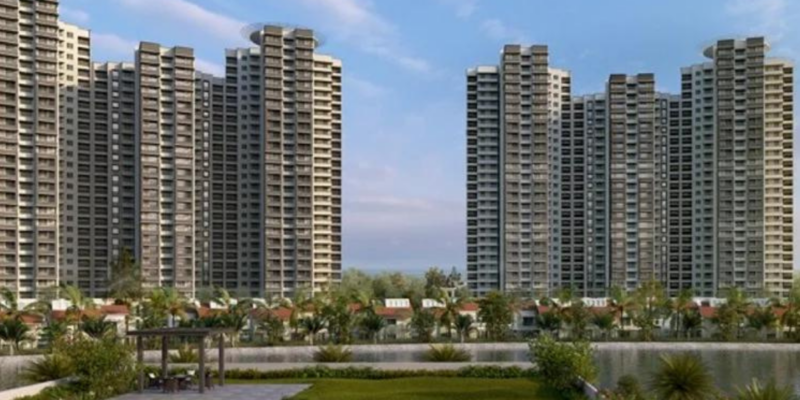
High-rise apartments are evolving through smart tech, green design, and wellness-focused living – redefining urban life with future-ready innovations.
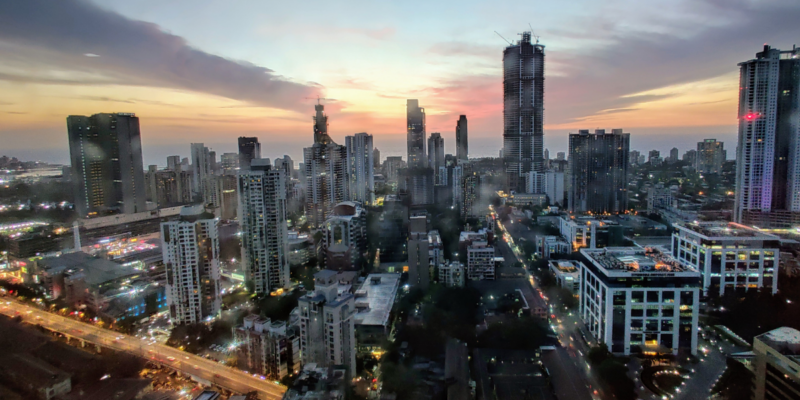
Rising skylines are no longer symbols of density alone, they are fast becoming the blueprint for tomorrow’s urban living. Cities across India and the world are shifting upwards, with tall towers redefining how residents experience space, sustainability, and convenience within limited city footprints.
The future of high-rise apartments is being shaped by a strong convergence of design intelligence, technology, and evolving lifestyles. This blog explores the trends and innovations that are transforming vertical living into an aspirational and future-ready experience.
Table of Contents
Smart Technology Integration
Convenience, efficiency, and responsiveness define today’s smart high-rise buildings. Residences now integrate smart home systems with voice assistants, IoT-enabled devices, and app-based controls for lighting, temperature, and security. These tools help residents personalise routines, while reducing time spent on everyday tasks.
These buildings redefine urban living by seamlessly integrating technology into every layer of residential life. From voice-controlled lighting to app-based access systems, they offer unmatched comfort and control. Centralised AI systems optimise energy use, reduce downtime through predictive maintenance, and create a sustainable, future-ready environment tailored to modern lifestyles.
Beyond individual units, AI-driven building management systems enable predictive maintenance and resource optimisation. Combined with energy monitoring and automation, these features reduce operational costs and carbon footprint. As cities evolve, smart high-rise buildings set the benchmark for technologically intelligent urban living.
Sustainable and Green Architecture
The need for climate-conscious living is pushing developers to rethink every layer of vertical design. From using eco-friendly construction materials to incorporating vertical gardens and green facades, sustainable high-rise apartments are reducing the environmental footprint while improving long-term durability.
According to Knight Frank, green-certified buildings in India attract nearly 10% higher rental values and see 15% more investor interest than conventional ones. Rainwater harvesting systems and greywater recycling have become integral to many projects. Coupled with net-zero buildings and carbon-neutral technologies, these practices make sustainable high-rise apartments not only a responsible choice, but also a futureproof solution for urban resilience.
Wellness-oriented Design
Design is shifting from purely aesthetic to wellness-focused. Among evolving high-rise apartment trends, developers are prioritising biophilic design principles – bringing nature indoors through organic textures, indoor plants, and landscape views that foster peace of mind, improve focus, and make everyday living feel more balanced.
Floor plans now emphasise ventilation, natural lighting, and cleaner indoor air. Apart from this, noise reduction features and sensory-friendly layouts ensures a quieter, more balanced environment. Wellness zones – such as yoga decks, meditation pods, and dedicated wellness centres – are becoming essential features. These trends are redefining residential comfort, by placing mental and physical health at the heart of vertical urban design.
Also Read: High-rise Apartment Maintenance Guide: What Every Buyer Should Know
Space Optimisation and Modular Living
In space-constrained cities, compact design does not mean compromised living. Innovations in high-rise living now focus on creating versatile, functional environments through modular furniture and flexible layouts. Foldable beds, movable partitions, and convertible storage make smaller units more efficient and visually open.
Developers are introducing micro-apartments with smart design, tailored for urban professionals and young families. These homes integrate utility with style, while multi-use common spaces and curated community lounges extend the sense of roominess beyond private walls. These innovations in high-rise living reflect a shift towards space that adapts to lifestyle.
Advanced Safety and Security Systems
Safety is now woven into the fabric of architectural intelligence. Among the most impactful innovations in high-rise living are contactless entry systems that include touchless access controls and facial recognition – minimising physical contact, while enhancing personal security and convenience.
Traditional CCTV setups are being enhanced with motion detection, remote monitoring, and smart alert features. Emergency response automation – particularly for fire and gas leak scenarios – is becoming a key priority in premium developments. These evolving security frameworks signal a shift towards high-rise living that values not only aesthetics and comfort, but also anticipatory, uninterrupted safety across all touchpoints.
Tech-enhanced Gated Community Amenities
Convenience and connectivity are reshaping what residents expect from shared spaces. In forward-looking high-rise developments, developers are offering rooftop coworking spaces with 5G connectivity, enabling seamless remote work with skyline views that inspire productivity.
The focus extends to fitness and recreation. Smart gyms allow residents to follow personalised routines, while AR/VR entertainment lounges elevate social interaction through immersive digital experiences. As electric mobility rises, EV charging stations are becoming a standard feature.
These high-rise apartment trends reflect how indulgences are no longer add-ons – they are curated experiences tailored to a lifestyle that values innovation, convenience, and time well spent within the residential ecosystem.
Construction Innovations
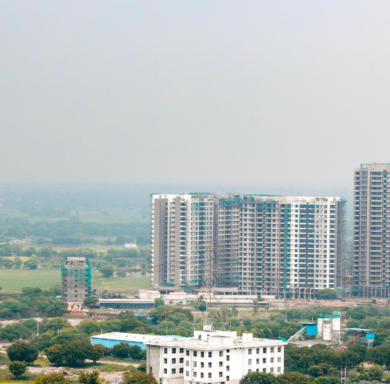
Engineering is redefining the skyline. The future of high-rise apartments is closely tied to the adoption of technologies like prefabricated and 3D-printed components, which allow precision-driven execution and significantly reduce on-site waste. These methods also enable developers to complete towers more efficiently, without compromising structural integrity.
Speed meets safety in the next phase of vertical housing. With faster and cost-efficient vertical construction becoming achievable, attention has shifted towards durability. Advanced techniques now support earthquake-resistant and wind-resistant engineering, crucial for cities in high-seismic or coastal zones. These methods signal that the future of high-rise apartments is not only smarter, but also structurally prepared for unpredictable environmental challenges.
Changing Demographics and Lifestyle Preferences
The resident profile for vertical housing is evolving fast. Smart high-rise buildings now appeal strongly to working professionals and modern homebuyers who prioritise tech-enabled convenience and flexible living spaces. Fast internet, coworking spaces, and lifestyle automation align with how this demographic blends home and work.
Equally important is inclusivity. Sustainable high-rise apartments are being designed to accommodate pet-friendly spaces, child-safe zones, and elderly-friendly layouts. From stroller-friendly corridors to community-building lounges and shared gardens, the new vertical living style nurtures interaction and well-being. As expectations shift, smart high-rise buildings are becoming adaptive environments that resonate with diverse, multigenerational living patterns.
The Role of Policy and Urban Planning
Public policy plays a pivotal role in steering future developments. Innovations in high-rise living are being accelerated by government incentives for green buildings, including tax benefits and fast-track approvals that encourage developers to adopt eco-conscious practices.
Urban planners are aligning these efforts with larger frameworks. Integration with smart city infrastructure ensures high-rise clusters evolve as part of interconnected city models. Additionally, revised zoning regulations and urban density management strategies are enabling vertical growth, while balancing environmental and resource sustainability.
Conclusion
High-rise apartments are evolving through a unique convergence of smart technology, eco-conscious practices, wellness-centric features, and thoughtful design innovation. From modular layouts and AI-led systems to vertical gardens and smart amenities, these evolving features reflect a deeper shift in urban housing priorities.
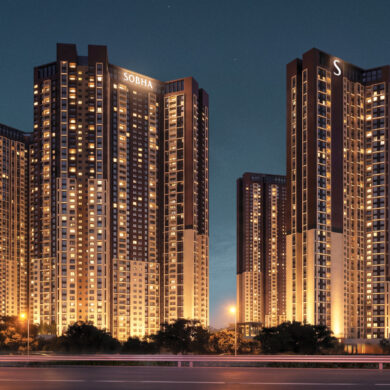
As high-rise apartment trends continue to evolve, tomorrow’s towers promise more than just vertical expansion; they offer a transformative way to experience city life. Those seeking next-gen living can explore SOBHA’s thoughtfully designed high-rise projects that embody innovation, comfort, and future-readiness in every detail.
FAQs
1. What are the latest trends shaping the future of high-rise apartments?
The latest trends shaping the future of high-rise apartments include smart home integration, sustainable architecture, wellness-oriented design, modular living, and tech-driven amenities. These features are enhancing lifestyle convenience, while promoting environmental responsibility and resident well-being.
2. How is smart technology being integrated into modern high-rise buildings?
Smart technology is being integrated into modern high-rise buildings through IoT-enabled devices, voice assistants, and app-based controls for daily functions like lighting and climate. AI-led systems also manage building operations, ensuring efficiency and proactive maintenance.
3. Which sustainable features are being incorporated in future high-rise designs?
Sustainable features being incorporated in future high-rise designs include vertical gardens, net-zero energy systems, water recycling technologies, and the use of eco-friendly construction materials that reduce emissions and improve building longevity.
4. Are high-rise apartments becoming more eco-friendly and energy-efficient?
High-rise apartments are becoming more eco-friendly and energy-efficient through green building certifications, energy monitoring tools, solar energy use, rainwater harvesting systems, and waste management that contribute to lower utility costs and environmental impact.
5. How are developers addressing wellness and mental health in high-rise living?
Developers are addressing wellness and mental health in high-rise living through biophilic design, improved ventilation, natural light optimisation, quiet zones, and dedicated wellness areas like yoga decks and meditation spaces.
6. What innovations are being used in the construction of next-gen high-rises?
Innovations being used in the construction of next-gen high-rises include prefabricated structures, 3D-printed components, and advanced structural engineering that ensures earthquake and wind resistance for long-term stability.
7. How will high-rise apartments cater to the needs of digital nomads and remote workers?
High-rise apartments will cater to the needs of digital nomads and remote workers, by offering coworking lounges, smart connectivity, modular spaces, and wellness amenities that support both productivity and balance.
8. What role does AI play in the security and management of future high-rise buildings?
AI plays a significant role in the security and management of future high-rise buildings, by enabling 24/7 surveillance, automating emergency responses, and managing predictive maintenance to reduce downtime.
9. Are high-rise apartments adapting to accommodate flexible and modular living spaces?
High-rise apartments are adapting to accommodate flexible and modular living spaces through foldable furniture, smart layouts, micro-apartment planning, and multifunctional common areas that optimise space.
10. How are high-rise apartments contributing to the development of smart cities?
High-rise apartments are contributing to the development of smart cities, by aligning with digital infrastructure, supporting EV usage, integrating green technologies, and participating in urban planning guided by zoning and density optimisation.