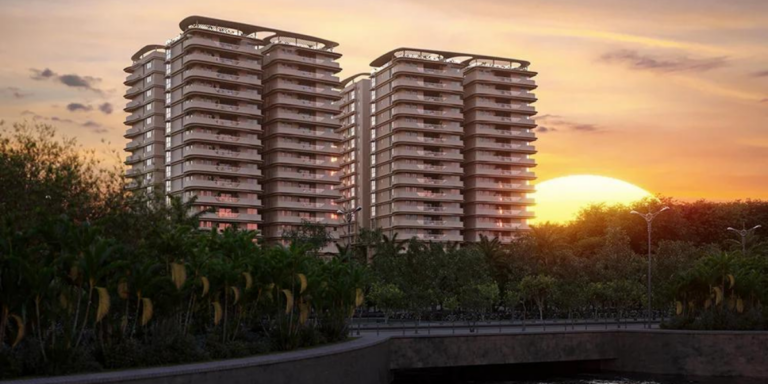



Integrated Townships in India: What Residential-Plus-Commercial Actually Delivers


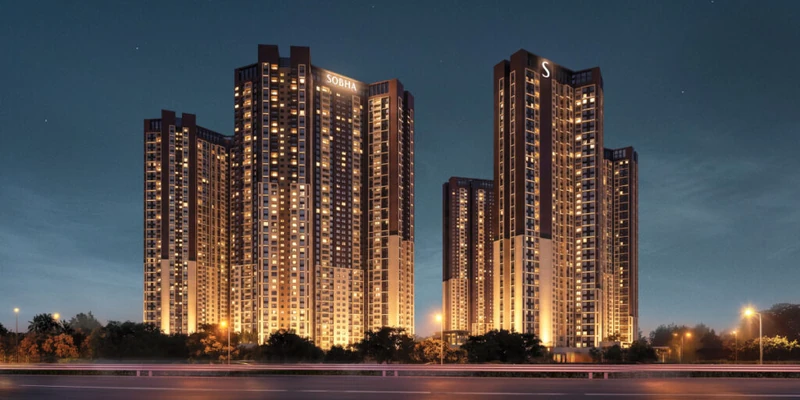
Integrated townships in India combine residences, commercial avenues, and multiple amenities to create a well-planned approach to modern urban living.
Integrated townships are redefining urban living by bringing residences, commercial spaces, leisure avenues, and everyday conveniences together – within one thoughtfully planned destination. Designed around a cohesive framework, these create an organised environment that takes care of professional requirements, recreational choices, and routine needs.
Table of Contents
Integrated Townships in India: A Quick Overview
Long travel routes, scattered learning centres, retail options, and recreational spaces can make urban living demanding for many individuals. An integrated township combines multiple aspects of urban life in a well-designed campus that combines abodes, retail hubs, social infrastructure, and modern amenities.
These large-scale developments follow a unified planning approach, creating a well-integrated environment with diverse attributes. From organised utilities and green landscapes to thoughtfully crafted areas, they create a balanced ecosystem with refined standards.
What is an Integrated Township? Meaning in Simple Words
Integrated township is a large-scale gated community that combines flats, commercial spaces, leisure avenues, and essential services within one organised campus. It creates a self-contained environment where different aspects of urban living come together.
How an Integrated Township Differs from a Regular Gated Community
The concept combines residences, commercial avenues, leisure zones, and additional facilities through a large-scale planned approach. A gated community focuses on well-designed residences with curated amenities, security features, and well-managed environment.
Both models offer organised living, with the distinction lying in their scale, planning approach, and range of uses. Understanding what a gated community is helps clarify how secure projects differ from larger integrated formats.
How Much Land Does an Integrated Township Need in India?
The land requirement varies across states, based on respective township policies. UP Township Policy 2023 specifies 12.5 acres for towns below 2 lakh population and 25 acres for larger cities, including NCR cities.
Maharashtra requires around 100 acres, while Karnataka permits developments from 10 hectares (~ 25 acres). The required parcel size depends on state guidelines, location category, and urban planning norms.
Key Features of an Integrated Township in India
From varied residential options and commercial spaces to social infrastructure and environmental features, these enclaves create a comprehensive ecosystem designed around diverse requirements.
Residential Mix: Apartments, Villas, Plots
Diverse configurations and well-planned zones enable buyers to select abodes aligned with their conveniences. Large-scale formats such as this integrated township on Hosur Road bring together residences, landscaped areas, and well-planned features within a single destination.
Commercial Hub: Offices, Retail, Daily-Needs Stores
Commercial spaces form an important part of integrated township projects, creating a balanced environment where professional, shopping, and leisure requirements come together through a well-structured community.
Social Infrastructure: Schools, Healthcare, Sports Facilities
These additions create a self-contained ecosystem with facilities that cater to varied age groups and interests. Curated amenities contribute to an organised, convenient lifestyle.
Green Open Spaces, Utilities, Multilayered Security
Landscaped areas, water management systems, waste handling solutions, and CCTV coverage contribute to a well-designed environment. Such features reflect the benefits of integrated townships through coordinated management.
Integrated Township vs Gated Community vs Standalone Apartment: Key Differences
This comparison highlights differences in scale, facilities, operational structure, and more.
| Factor | Standalone Apartment | Gated Community |
Integrated Township
|
| Land Size | Compact | Large | Extensive |
|
Commercial / Office Space
|
None | Few retail outlets |
Dedicated commercial and office spaces
|
|
Schools and Healthcare
|
Available in the surrounding area | Nearby schools and healthcare options |
Within the enclave, in some cases
|
| Amenities | Very few basic features | Clubhouse, sports facilities, gardens |
Multiple amenities across different zones
|
|
Maintenance Cost
|
Lower, due to fewer shared facilities | Managed maintenance for common areas and amenities |
Possibly higher, due to wider systems
|
| Build Timeline | Shorter | Phased development |
Extended timeline
|
| Rental Demand | Depends on location and surroundings | Supported by amenities, security, and managed upkeep |
High, due to multiple options and diverse uses
|
What Does Residential-plus-Commercial Living Actually Deliver?
Residential and commercial townships create a balanced modern lifestyle where different activities are organised around a shared ecosystem. The concept combines aspects discussed while comparing residential vs commercial property, bringing living spaces and business-oriented areas together.
Walk-to-Work Convenience and Short Commutes
With offices and business hubs located nearby, travel time is reduced – supporting a balanced routine. Convenient transit options and well-planned surroundings create ease for daily commutes and professional commitments.
Everyday Essentials within the Campus
Retail outlets, dining options, daily-use conveniences such as grocery stores, pharmacies, and shopping avenues closer to residences simplify routines.
Schools and Healthcare Close to Home for Families
Educational institutions, healthcare centres, and recreational facilities help manage academic, wellness, and leisure needs.
Steady Rental Demand from Onsite Workforce
Abodes here attract professionals seeking proximity to workplaces. The presence of offices, retail avenues, and recreational options supports rental interest among those looking for a well-connected address.
Self-sustained Community with Strong Social Ties
Multiple opportunities for interaction exist, due to thoughtfully planned gathering points that encourage social engagement and a sense of belonging among residents.
Are Integrated Townships a Good Investment in India?
An integrated township can appeal to homebuyers and investors evaluating large-scale real estate opportunities with potential for capital appreciation and rental interest. Factors such as location selection, developer credibility, construction progress, and future scope of the area influence investment potential.
Massive scale and phased execution make them suitable for those with wide investment horizon. A detailed review of approvals, market conditions, and project fundamentals helps assess the suitability of each opportunity.
The demand for residential projects in Bangalore reflects the importance of factors such as location, developer expertise, and architecture – while evaluating real estate opportunities.
Who Should Buy a Home in an Integrated Township?
Flats here appeal to those seeking a well-planned environment with varied facilities and organised spaces.
- Young households looking for balanced living environments
- IT professionals seeking residences near business hubs explore options such as luxury apartments in Greater Whitefield, where location and lifestyle requirements align
- NRIs looking for professionally managed developments
- Retired individuals seeking secure, well-connected surroundings
- Investors evaluating diversified real estate opportunities
How to Evaluate an Integrated Township Before You Buy
Evaluation requires attention to legal approvals, execution quality, operational systems, and future upkeep.
- RERA Registration: Reviewing RERA-approved projects in Bangalore allows buyers to understand registration details, approvals, and timelines before proceeding with a purchase
- Developer Track Record: Review the developer’s credibility, construction quality, and delivery record
- Commercial Component Status: Check whether office spaces, retail avenues, and other commercial elements are operational, under construction, or proposed
- Connectivity Review: Assess nearby transit options, major routes, and upcoming infrastructure developments
- Maintenance Structure: Understand flat maintenance charges, association responsibilities, and utility management
- Key Questions before Booking: Clarify approvals, possession timelines, construction progress, maintenance details, and future development plans with the developer. Occupancy and Completion Certificate helps verify the completion status and regulatory approvals.
Read More: First-time homebuyer checklist
How SOBHA Approaches Integrated Township Living
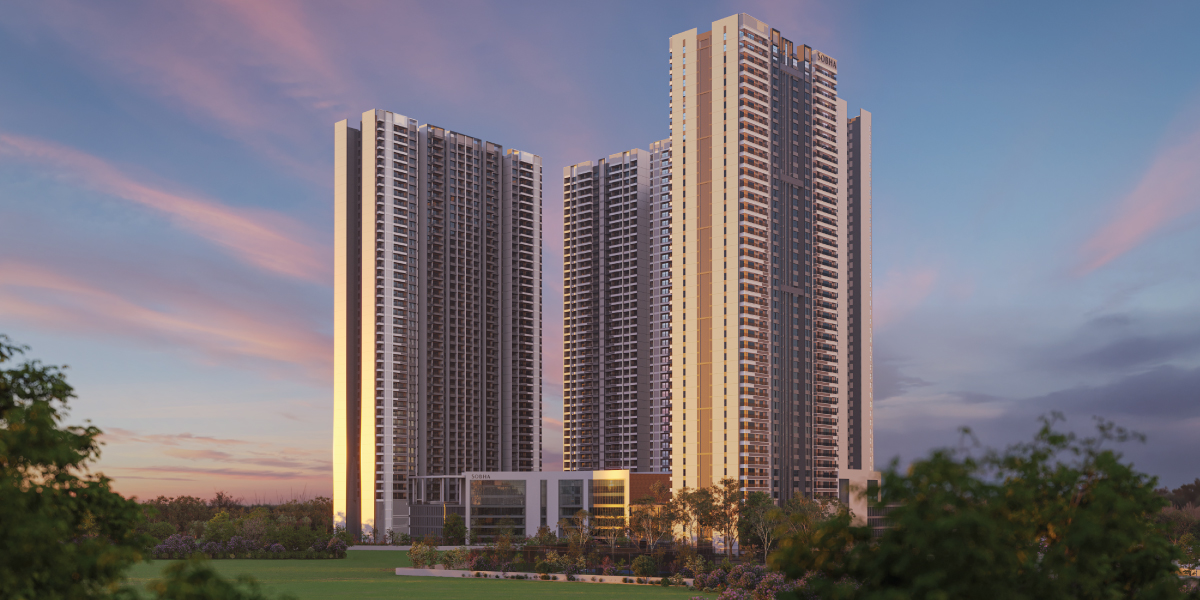
SOBHA approaches township design through a thoughtful combination of residences, commercial spaces, open landscapes, and multiple amenities for all age groups. Each project reflects a focus on design precision, world-class quality, and efficient management systems that create a well-planned environment.
SOBHA’s expertise in developing large-scale destinations brings together diverse elements such as recreational avenues, everyday conveniences, and thoughtfully designed spaces within one cohesive framework.
With 3 decades of experience in real estate, SOBHA integrates meticulous craftsmanship, sustainable practices, and customer-centric planning to create developments that align with evolving aspirations and refined standards of living.
Conclusion: Integrated Township Living
This concept represents a planned approach to urban living by combining residences, commercial spaces, leisure avenues, and routine services. These projects bring together organised planning, efficient systems, and thoughtfully designed spaces.
As Indian cities evolve, these are gaining attention for their scale, structured development model, and ability to combine multiple aspects of urban life through a unified vision.
FAQs
What is the difference between integrated township and mixed-use development?
The difference between integrated township and mixed-use development is that the former combines residences, commercial avenues, leisure zones, and additional facilities through a large-scale planned approach; while the latter includes residential and commercial elements within a defined area.
Is an industrial township the same as an integrated one?
No, an industrial township is not the same as an integrated one, as it is centred around manufacturing / logistics / industrial activities, with supporting residential and social infrastructure. The latter focuses on residential living with commercial spaces, leisure areas, and planned facilities within one destination.
Can NRIs buy a flat in an integrated township in India?
Yes, NRIs can buy a flat in an integrated township in India, subject to regulations under the Foreign Exchange Management Act (FEMA) and applicable RBI guidelines. They should review legal approvals, documentation, RERA registration, developer credibility, and project information while shortlisting.
Do banks offer home loans for under-construction integrated township projects?
Yes, banks offer home loans for under-construction integrated township projects based on criteria such as applicant eligibility, income assessment, credit history, RERA registration, and legal verification of documents.
What should I look for, while buying a villament in an integrated residential community?
While buying a villament in an integrated residential community, you should look for privacy, unit design, Undivided Share of Land (UDS), and maintenance agreements. Check entry planning, wall separation, private outdoor areas, parking, RERA approvals, Occupancy Certificate, and facility management details.
Which are the biggest integrated townships in India?
The biggest integrated townships in India include SOBHA OneWorld Greater Whitefield and SOBHA Townpark Hosur Road. To know more about these or book your guided walkthrough, call 08046464500.
Is stamp duty different for a property in an integrated township?
No, stamp duty is not different for a property in an integrated township, as it is based on state regulations and the property transaction value. Buyers should verify applicable charges, registration requirements, and documentation based on the state where the property is located.
How do I compare price, location, and approvals for Indian residential projects from different developers?
Comparing Indian residential projects requires evaluating price, location, and approvals through a structured approach. Buyers should review carpet area-based pricing, additional charges, connectivity, nearby infrastructure, RERA registration, land titles, and required approvals to understand the overall proposition.
You might also like