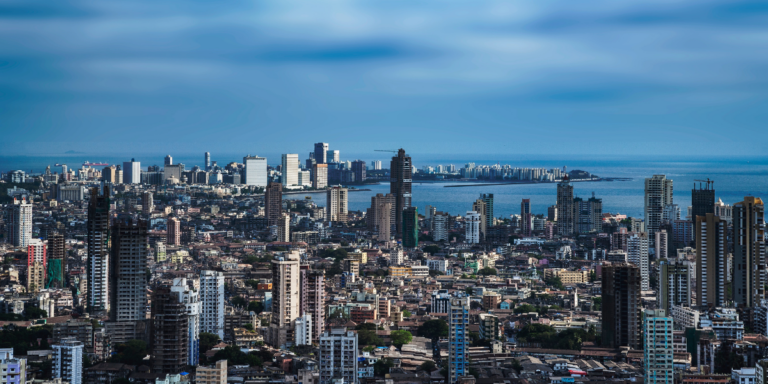



NRI Guide to Buying Property in Mumbai: Why Parel is the New South Mumbai


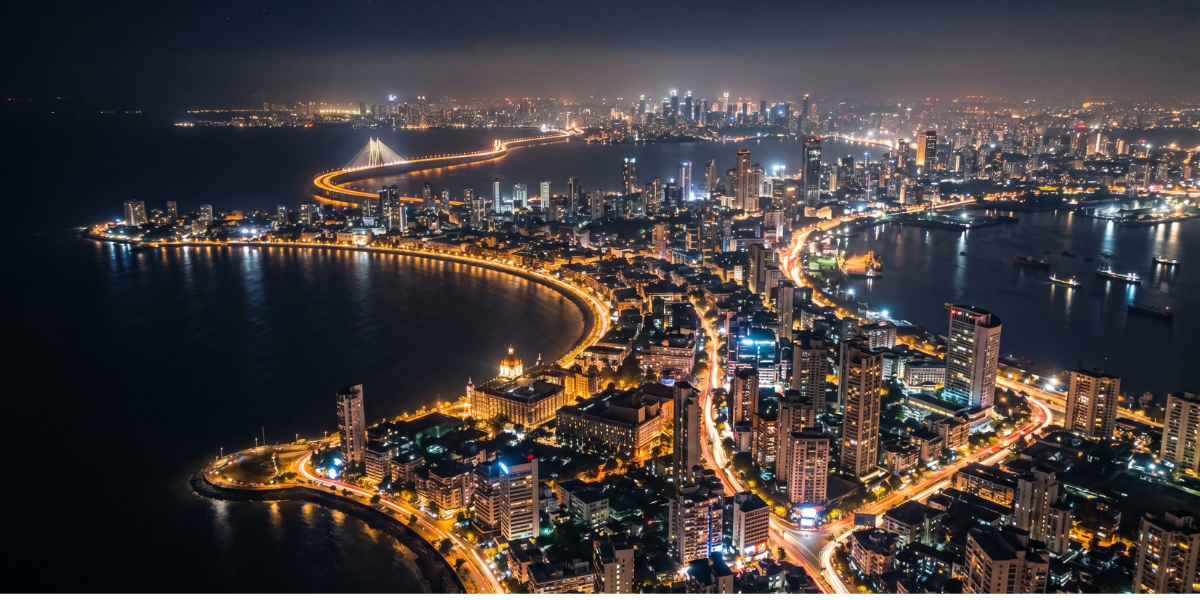
For NRIs buying property in Mumbai, Parel combines luxury gated communities, business connectivity, elevated rentals, and high-rise abodes with sea views – strengthening its identity as the new South Mumbai.
Mumbai Metropolitan Region (MMR) continues to attract homebuyers seeking premium real estate in some of India’s most sought-after destinations. For NRIs buying property in Mumbai, Parel brings together high-rises, proximity to key business centres, and strong ROI.
Located just 22-30 mins from Nariman Point and BKC, the area supports convenient transit to major commercial hubs. The rise of Parel new South Mumbai reflects its transformation into a well-connected address with upscale housing and high capital appreciation.
Those seeking luxury flats for sale in Mumbai can therefore assess Parel alongside other established locations across the city.
Table of Contents
Parel for NRIs at a Glance
Smooth city-wide connectivity, premium high-rise apartments, and rental potential make Parel appealing to homebuyers. For NRIs buying property in Mumbai, this table covers the key purchase, funding, tax, and repatriation details for acquiring an abode here.
| Feature | Details |
| Who can buy | NRI and OCI cardholders, subject to RBI and FEMA regulations |
| RBI approval | No separate permission required, for residential and commercial purchases |
| Accounts allowed | NRE / NRO / FCNR accounts |
| Stamp duty Mumbai | 6% of agreement value (including 1% metro cess) |
| TDS | 1% for resident sellers. Different provisions apply for NRI sellers (12.5% for long-term capital gains or short-term slab rates, plus surcharge & cess). |
| Home loan LTV (Loan-to-Value) | Up to 70-80% of home value, subject to lender eligibility norms |
| Repatriation | Subject to FEMA, banking, and tax conditions |
| Nearest business hubs | Lower Parel, BKC, Nariman Point |
The wider story of Mumbai’s luxury map moving East further explains how Parel and other neighbourhoods are gaining prominence within the city’s upscale landscape.
Why is Parel Called the New South Mumbai for NRI Buyers?
A property in Parel for NRI brings together strategic location, luxury gated setups, and proximity to major commercial centres. For NRIs buying property in Mumbai, these factors have made Parel an increasingly appealing choice.
The emergence of Parel new South Mumbai highlights its evolving skyline, modern developments, and social infrastructure.
Central Hub between Old South Mumbai Business Hubs and BKC
Parel is equidistant from major commercial centres such as BKC and Nariman Point, apart from being minutes away from Lower Parel and Worli. Atal Setu strengthens cross-harbour connectivity to Navi Mumbai and its commercial areas.
For NRIs buying property in Mumbai, this can support both personal use and leasing interest among professionals. The connectivity advantage has also increased demand of apartments near Lower Parel.
Social Infrastructure: Malls, Fine Dining, Schools, and Top Hospitals
Leading healthcare institutions such as Tata Memorial Hospital, KEM Hospital, and Gleneagles Hospital provide advanced medical support. Well-known educational institutions in the vicinity – including JBCN International School, Don Bosco, Ruia, and Welingkar – further enhance the area’s appeal.
Retail destinations like Phoenix Palladium and Atria the Millennium Mall bring shopping, entertainment, and fine dining experiences within convenient reach. Premium hospitality destinations such as ITC Grand Central, St. Regis, and Four Seasons Hotel complement Parel’s location and new developments.
From Mill Lands to Luxury High-rises
New luxury towers in Parel have created a distinct skyline; these include modern lobbies, fitness spaces, rooftop swimming pools, recreation areas, and well-managed spaces. Homebuyers evaluating luxury apartments in Parel can experience modern architecture and the advantages of a well-connected address.
Capital Growth and Corporate Rental Demand
Proximity to MMR’s major business centres continues to support rental demand in Parel, especially premium apartments suited to senior professionals and expat families.
Infrastructure improvements and limited land availability can further influence capital appreciation over a multiyear holding period. For NRIs buying property in Mumbai, these factors elevate rental income potential and future value growth.
Reviewing Parel property price trends can help overseas investors assess how values have evolved alongside infrastructure and corporate activity.
South Mumbai vs Parel: What Changes for an NRI Buyer?
The South Mumbai vs Parel comparison highlights the difference between established legacy housing and newer high-rise formats. For NRIs buying property in Mumbai, these differences can shape maintenance requirements and the overall ownership experience.
| Feature | South Mumbai | Parel |
| Building age | Many old legacy structures | New high-rise developments |
| OC availability | Requires careful verification | Available in new projects |
| Parking | Can be limited in old buildings | Well-planned basement / multilevel parking |
| Amenities | Limited, due to old formats | Fitness, leisure, landscaped spaces |
| Entry price band | ₹6cr | ₹3.5cr |
| Tenant pool | Business families, senior executives, established professionals | Corporate executives, professionals, NRIs |
| Maintenance | Ageing structures require more repair work | Dedicated teams in gated communities |
This detailed Lower Parel real estate guide can provide added context on the overall landscape.
Who Can Buy Property in Mumbai: NRI vs OCI vs Foreign Citizen?
Can NRI buy property in Mumbai? Yes, they can purchase residential and commercial real estate, by using NRE / NRO / FCNR accounts. For an NRI buying property in Mumbai, confirming the correct eligibility category can help streamline documentation.
| Status | Purchase Eligibility |
| NRI | Can freely purchase residential and commercial properties without prior RBI approval under FEMA non-debt instruments rules. Cannot buy agricultural land / farmhouses / plantation properties. |
| OCI | Same as NRI |
| Foreign citizen of non-Indian origin | Cannot purchase under FEMA and RBI rules. They can only acquire an asset through inheritance, or a lease up to 5 years. Outright purchase requires prior RBI approval. |
Overseas Citizens of India can refer to this detailed article on OCI property rules, to understand acquisition eligibility, permitted categories, and other conditions.
FEMA Rules for NRIs Buying Property in Mumbai
The FEMA rules for NRI property purchase define categories and permitted transaction channels. Understanding the framework early can help expats organise payments, banking records, and registration documents correctly.
What NRIs Can Buy: Unlimited Residential and Commercial Units
Under the FEMA NDI Rules 2019, expats can buy residential and commercial properties without a fixed numerical limit. This includes more than one flat, apartment, office, or commercial unit.
What NRIs Cannot Buy: Agricultural Land, Farmhouses, Plantations
Rules governing agricultural land NRI transactions do not permit purchase of agricultural land, plantation asset, or farmhouses. Inheritance follows separate provisions under the regulatory framework.
Is RBI Approval Needed for Residential Purchase?
General permission under FEMA covers acquisitions by NRIs. As a result, RBI approval NRI property requirements do not apply to a standard residential purchase. These RBI guidelines for NRIs provide further clarity on permitted transactions.
MahaRERA Check: Project Registration and Developer Track Record
Checking MahaRERA registration helps overseas purchasers review important information while booking. The portal provides project registration status, declared timelines, detailed information, and reported progress.
Legal Checklist for Buying a Flat in Parel
NRIs buying property in Mumbai should review ownership records, statutory approvals, occupancy status, and transfer documents while completing registration.
- Verify the title: Review the ownership chain, development rights, encumbrances, and required statutory permissions to establish clear title
- Confirm a full Occupancy Certificate: Check whether the building, wing, or tower has received a complete OC from the municipal authority; as partial OC covers only certain portions
- Review redevelopment approvals: If the building forms part of a redevelopment scheme, examine consent agreements, development rights, permissions, and records connected with the original structure
- Inspect Index II for resale flats: Review Index II to verify previous transaction details, ownership information, consideration value, registration particulars, and stamp duty records
- Obtain the society NOC: For a resale transaction, check cooperative housing society records, transfer documentation, and share certificate details before completing the ownership transfer
Reviewing these documents NRIs need can help organise ID proofs, banking records, tax papers, and transaction papers before registration
Stamp Duty, GST, and Total Cost of a ₹5cr Home in Parel
For an NRI buying property in Mumbai, the total outlay can include stamp duty, registration charges, GST for under-construction units, legal expenses, and society-related fees.
The stamp duty in Mumbai for NRIs follows the state rates. At 6%, the amount on a ₹5 cr abode comes to ₹30L. Registration charges are ₹30,000. GST at 5% can add ₹25L, for under-construction premium units.
| Cost Component | Amount |
| Value | ₹5 cr |
| Stamp duty at 6% | ₹30L |
| Registration charges | ₹30,000 |
| GST at 5% for an under-construction home | ₹25L |
| Total before legal and society-related fees | ₹5.553 cr |
How to Buy Property in Mumbai from Abroad, Using Power of Attorney
PoA can allow an authorised representative to complete selected transaction formalities in India. For an NRI buying property in Mumbai, a specific POA can clearly define the representative’s powers and limit them to the selected transaction.
For a wider view of eligibility, funding, taxation, registration, and repatriation of property sale proceeds NRI, purchasers can explore this complete NRI property buying guide.
Step 1: Draft a Specific POA Naming a Trusted Person who can Visit Mumbai
Prepare a specific Power of Attorney that clearly states the details and powers granted to the representative. Name a trusted person who can complete only the actions authorised in the official record.
Step 2: Apostille or Attest it at the Indian Embassy or Consulate
Sign the document before the appropriate authority overseas. Depending on the country and its procedure, it can require an apostille / consular attestation / verification through an authorised notary.
Step 3: Get the PoA Stamped in Maharashtra within 3 Months
Send the original document to the authorised representative in India, who must complete the required stamping procedure in Maharashtra within 3 months.
Step 4: Stamp Duty Payment Online; Registration at SRO via Your PoA
Pay the stamp duty through IGR Maharashtra portal, and book a slot for registration. Your representative can then visit the Sub-Registrar’s Office to complete the identification and biometric requirements.
Common Mistakes NRIs Make while Buying Property in Mumbai
For an NRI buying property in Mumbai, procedural errors can create legal, banking, or tax complications. Proper papers, compliant payment channels, and tax planning can make the acquisition process more organised. Listed below are the common mistakes and their solutions:
- Using a general POA instead of a specific POA: Define the representative’s powers only for the selected transaction instead of granting broad authority
- Paying from the wrong bank account: Route purchase payments through permitted banking channels, including NRE / NRO accounts
- Skipping TDS filing: Deduct and deposit TDS within the prescribed timeline to avoid interest, penalties, or additional compliance requirements
- Ignoring OC: Check whether the specific building or tower has the required OC
- Overlooking DTAA planning: Review the Double Taxation Avoidance Agreement before receiving rental income or selling the house, especially where income can have tax implications in 2 countries
SOBHA Inizio Parel: Luxury Address for Global Indian Buyers
SOBHA’s first Mumbai project, SOBHA Inizio marks a defining milestone in Mumbai’s upscale residential segment. This high-rise development is situated near the Eastern Waterfront and Atal Setu. Its strategic location ensures easy reach to Lower Parel, Worli, BKC, Nariman Point, and Navi Mumbai.

Curated amenities for all age groups include Sky Lounge, Terrace Pool, Outdoor Fitness Corner, Pickle Ball Court, Board Walk, Seniors’ Cabana, Activity Lawn, and Alfresco Deck. For an NRI buying property in Mumbai, SOBHA Inizio combines high-rise living and panoramic sea views. Its 2- and 3-bed residences are oriented towards Atal Setu and surrounding water vistas, and are well-suited to global Indian buyers seeking a refined Mumbai address.
To know more or book your guided walkthrough, call 08046464500 or visit the official webpage of SOBHA Inizio. PR1170002501523 is the MahaRERA registration number of the project.
FAQs
Can an NRI buy property in Mumbai jointly with a resident Indian relative?
Yes, an NRI can jointly buy residential or commercial property in Mumbai with a resident Indian relative, subject to FEMA rules. The NRI’s share of the purchase must be funded through permitted banking channels, i.e. NRE / NRO / FCNR(B) accounts.
Is Parel officially part of South Mumbai?
Yes, Parel is officially part of South Mumbai, and is governed by Brihanmumbai Municipal Corporation (BMC) under the F-South ward.
How long does NRI property purchase in Mumbai take from abroad?
NRI property purchase in Mumbai from abroad can take 4-8 weeks, depending on documentation, due diligence, payment processing, and registration. Preparation, overseas attestation / apostille, and stamping at the relevant SRO in India – for Power of Attorney for NRI property can further influence the timeline.
Can NRIs get home loans in India for flats in Mumbai?
NRIs can get home loans in India for flats in Mumbai through authorised banks and housing finance companies. An NRI home loan in Mumbai is assessed based on factors such as income, repayment capacity, property value, and lender eligibility criteria.
What is the TDS on property purchase by an NRI?
If an NRI buys from a resident, the TDS is 1% for properties valued at ₹50L or above. If buying from an NRI, TDS is 12.5% for long-term capital gains or short-term slab rates, plus surcharge and cess.
Do NRI women get 1% stamp duty concession in Mumbai?
Yes, NRI women get 1% stamp duty concession in Mumbai, if the asset is registered solely in their name, or jointly with other women.
Can an NRI sell property in Mumbai without coming to India?
An NRI can sell property in Mumbai without coming to India, by executing a specific Power of Attorney (PoA) in favour of an authorised representative. The document must follow the notarisation, attestation, stamping, and registration requirements.
What happens to my Mumbai property, if I return to India and become a resident?
Your Mumbai property status changes to resident-owned, and you can hold / own / inherit / transfer it, without any restrictions or special approvals. The implications for rental and capital gains tax shift to resident structure. Request your bank immediately to convert your NRO and NRE accounts into Resident Savings Accounts. If you want to hold foreign currency, transfer NRE funds into Resident Foreign Currency (RFC) account. Update your new residential address and banking details with the municipal authority and RWA / CHS, for property tax and maintenance bills.
Can NRIs repatriate money after selling property in India?
Yes, NRIs can repatriate money after selling property in India. Under RBI guidelines, they can transfer up to $1 mn USD per financial year from their NRO account, provided all capital gains taxes are paid and Forms 15CA & 15CB are submitted.
You might also like