


Understanding Carpet, Built-up, & Super Built-up Area in 2025 | Buyer’s Guide
September 8th, 2025
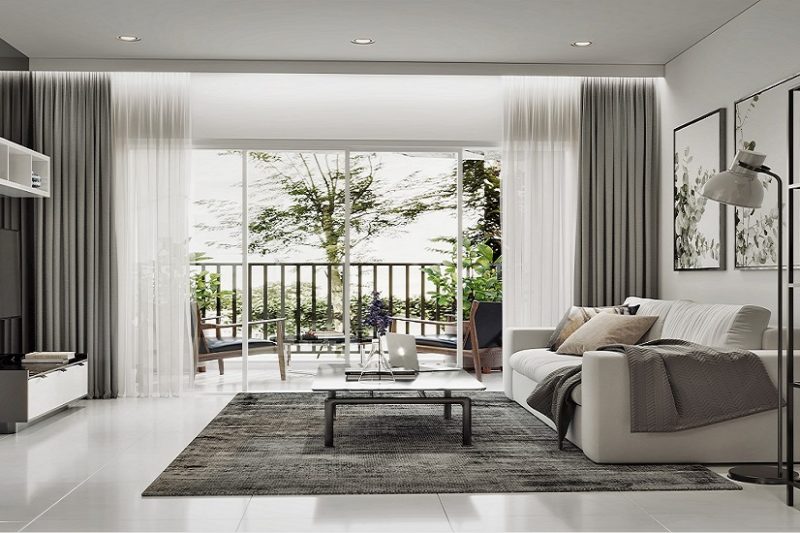
Understanding carpet area, built-up, and super built-up areas is the key to smarter property choices in 2025 – helping you avoid hidden costs and focus on real value.
Buying a home in 2025 requires greater clarity than ever, as property investments involve significant financial planning and long-term commitment. Understanding the terminology used in real estate has become a key factor for homebuyers aiming to evaluate properties accurately and avoid overpaying.
Industry experts note that confusion or less awareness about differences in carpet, built-up, and super built-up areas can cause incorrect understanding of property size and value. Guidelines by Real Estate Regulatory Authority (RERA) emphasise clear disclosures, yet many homebuyers and investors are unsure about how these terms impact their purchase.
This blog explains each of these key terms and helps you understand how their calculations work – so that you can compare multiple projects on equal grounds and prevent costly mistakes while finalising your property.
Table of Contents
Carpet Area and RERA Carpet Area: 2025 Perspective
In real estate, carpet area is the portion of a home that you can actually use for day-to-day living. It is measured from wall to wall inside the apartment, and includes all the rooms in which you can place furniture, walk freely, and carry out activities such as cooking, dining, or resting.
What it does not include are private balconies and thickness of external walls and shafts. This makes usable floor space the most reliable measure for buyers, as it reflects the true area within a flat rather than the total construction footprint.
RERA guidelines now require inclusion of internal partition walls within the measurement. Because of this clarification, RERA carpet area usually comes out 5-7% higher than the earlier figure. For instance, a home with 1000 sq ft carpet area may appear as 1050 sq ft under RERA norms. Prioritising actual living space enables buyers to compare projects more effectively. It builds transparency and ensures that the price reflects the real value of the home.
Also Read: What is Carpet Area? A Complete RERA Guide for Homebuyers
Built-up Area: What It Covers in 2025
While discussing the size of a property, built-up area goes beyond the carpet area to cover everything that has been physically constructed within the apartment’s boundaries. This includes the thickness of internal and external walls, private balconies, terraces, and even internal staircases if the unit is duplex style. It gives a fuller picture of the total built structure, not just the usable living area.
On average, built-up area is about 10-20% more than carpet area, depending on the design and efficiency of the layout. For example, a home with 1000 sq ft carpet area may translate into 1100-1200 sq ft built-up area. This margin helps you understand how much additional space is accounted for, beyond the interiors.
The method of calculating built-up area might differ as per regional regulations – making it important to verify all figures mentioned in official documents. Clarity on this measurement ensures a realistic expectation of the property’s size.
Super Built-up Area and Loading Factor: 2025 Update
SBA denotes the total saleable space, comprising what lies within your home and a proportional share of common amenities – like lobbies, corridors, lifts, gyms, and gardens. In short, it includes built‑up area plus common spaces, making it the basis for pricing in most offers.
Loading factor is the ratio between super built‑up and carpet areas minus 1. Recent data shows this factor averaging between 25% and 60% across India. In Q1 2025, top cities reached around 40% on average, meaning only 60% of the space purchased was actual residential area. The figure climbed to 41% in Delhi NCR, whereas the gap reached 43% in Mumbai – the highest nationally.
For example, a flat listed at 1400 sq ft super built-up with 40% loading factor delivers just 1000 sq ft of actual carpet area. Buyers must verify loading factor before proceeding, since it directly affects the real cost per usable square foot and the value one receives.
Why Carpet Area Matters More in 2025
Homebuyers have grown more discerning in 2025, placing increased emphasis on net usable space while evaluating property value. Real estate reports note that usable space has become the first question today; buyers demand clarity on how much space they can actually live in.
Developers now face growing regulatory pressure to disclose the actual living area clearly. Under RERA and updated state-level mandates, providing carpet area details has become mandatory in marketing materials, agreements, and online platforms. This shift makes it easier for buyers to compare offers transparently.
You can cross-check the actual living space through the RERA portal, or by reviewing layout plans and official documents before committing. Onsite measurements remain a helpful practice, especially if developer disclosures are ambiguous. This diligence ensures that the space you intend to pay for matches what you will actually receive.
Key Considerations for Buyers in 2025
Clarity on area measurements has become central to informed property comparisons. Begin by requesting a clear breakdown of carpet, built-up, super built-up areas, and the associated loading factor for each property under consideration. This allows you to compare home sizes on a like-for-like basis, and prevents misinterpretation of the figures presented by developers.
Cost comparisons demand alignment with your actual living space. Always calculate the cost per square foot using the carpet area rather than exaggerated values. A high loading factor can obscure the real value; for instance, Delhi NCR now records an average loading of 41%, meaning buyers receive just 59% of what they pay for, as usable space. In Mumbai, the loading factor of around 43% further underscores how these figures may skew cost-per-usable-square-foot assessments.
New regulatory developments reinforce transparency. For example, Tamil Nadu RERA Authority mandates that all real estate advertisements include RERA registration details, QR codes, and accurate location data to prevent misleading claims. Such measures support buyers in recognising disparities between marketed sizes and actual usable areas, allowing you to take decisions with greater confidence.
Technology and Tools for Area Calculation
Digital adoption has transformed the way buyers evaluate homes in 2025. Instead of relying only on developer brochures, many now use online calculators and mobile apps to verify carpet area and other measurements with greater accuracy. These tools allow quick inputs of room dimensions and generate clear estimates of usable space, making them practical for buyers who want clarity before shortlisting projects.
Proptech platforms and state RERA portals have become crucial in ensuring transparency. On these portals, real estate developers must submit certified details of carpet, built-up, and super built-up areas. Buyers can log in and access these records to confirm what is advertised, creating a more reliable environment for property selection. This shift has made real estate area calculations easier to validate, reducing confusion that once caused disputes.
Making use of such technology is fast becoming a standard step in the buying journey. By verifying area measurements digitally, you can safeguard yourself from exaggerated figures and build trust in the accuracy of your chosen property.
Conclusion
Understanding the difference between carpet area, built-up area, and super built-up area has become more important than ever in 2025. These terms directly affect the space you actually get, the cost you pay, and the long-term value of your investment. With regulations like RERA pushing for transparency, homebuyers and investors are now better equipped to evaluate properties on fair and accurate terms.
As property prices rise and projects become more complex, verifying area details is essential to avoid hidden costs or disappointments. Consulting experts, using technology-driven tools, and cross-checking figures with official documents can give you clarity and confidence. Taking these steps ensures that your home purchase is based on real value and not exaggerated numbers.
FAQs
1. What is carpet area in real estate?
Carpet area in real estate is the actual usable floor space inside a flat, measured wall to wall, excluding private balconies, shafts, and external walls.
2. How is built-up area different from carpet area?
Built-up area is different from carpet area in that it includes the thickness of walls and space occupied by private balconies and terraces, in addition to the usable floor space.
3. What does super built-up area mean in property documents?
Super built-up area in property documents is the carpet area PLUS thickness of walls and area of private balconies & terraces PLUS proportionate share of common spaces such as corridors, lifts, lobbies, gyms, landscaping, and more.
4. Why does carpet area matter more than super built-up area?
Carpet area matters more than super built-up area as it shows the exact usable space a buyer receives within the house, making it the most reliable measure of value.
5. How can buyers verify carpet area in 2025?
Buyers can verify carpet area in 2025 through RERA-registered project documents and approved floor plans, or by cross-checking with onsite measurements.
6. What is loading factor in apartments?
Loading factor in apartments is the ratio of super built-up to carpet area, minus 1. It usually ranges between 25% and 60%.
7. Do area calculations differ for resale and under-construction properties?
Area calculations might differ for resale and under-construction properties, as physical measurement of the net usable area is possible in the former, while buyers have to rely on RERA submissions in case of under-construction projects.