

Transit-oriented Living in South Mumbai: Best Areas for Flats with Metro Access
January 31st, 2026
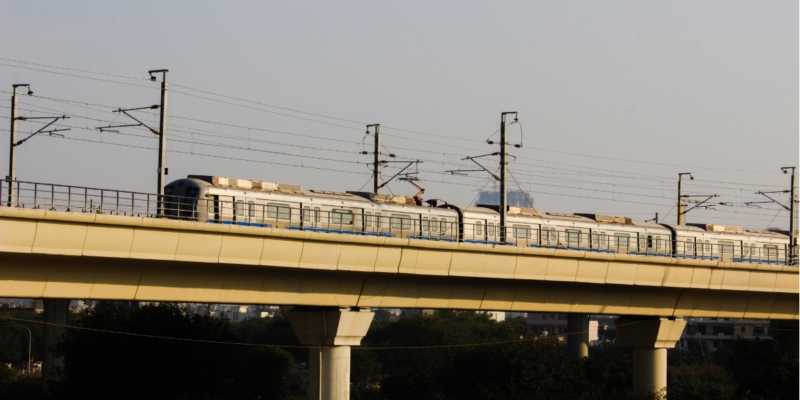
Metro-led planning is reshaping development of flats in South Mumbai – through stronger connectivity, higher demand & rentals, and clearer resale value across areas such as Worli, Parel, Mahalaxmi, and Prabhadevi.
South Mumbai has always functioned on proximity, density, and movement. What has changed is the scale and certainty with which transport infrastructure now supports residential value. The expanding Mumbai Metro network, supported by Line 3 / Aqua Line and strengthened east-west corridors, is compressing travel time and sharpening housing demand around transit spines.
For buyers evaluating flats in South Mumbai, this shift converts daily convenience into measurable value through steadier rental demand, stronger price protection, and clearer exit visibility.
This blog examines how transit-oriented planning is influencing South Mumbai property markets, metro-aligned locations, demand stability, pricing logic, and long-horizon investment outcomes.
Table of Contents
What is Transit-oriented Living, and Why Mumbai has Embraced it Since Decades
This term reflects close alignment of housing development with mass transport corridors, supporting density, movement efficiency, and sustained demand. Driven by land scarcity and employment concentration, Mumbai adopted this model on a large scale – long before formal definitions emerged or other cities implemented it.
Railway corridors shaped South Mumbai’s residential pattern for decades, anchoring housing around predictable travel routes. The current expansion of metro systems furthers this legacy through structured stations, integrated road planning, and coordinated redevelopment.
For those assessing flats in South Mumbai, transit orientation reduces dependency on private transport and stabilises rental demand. Properties near established nodes retain demand across market cycles, because the need for mobility remains constant even when broader conditions change.
How Metro Connectivity is Redefining Demand for Flats in South Mumbai
The expansion has shifted property evaluation from established names to those enabling seamless movement. This shift is visible in preference for flats near metro stations in Mumbai, where commute reliability influences real estate demand.
In 2026, professionals and families assess how reliably their homes connect to work corridors, commercial clusters, and cultural hubs – as metro-led infrastructure reshapes demand behaviour, rental depth, and value stability for flats in Mumbai Metropolitan Region (MMR).
-
Reduced Commute = Better Lifestyle
Shorter cycles translate into predictable schedules and sustained residential preference. Aqua Line links Cuffe Parade and Colaba to Aarey JVLR, easing south-north movement through the city’s western areas. For residents, this consistency strengthens occupancy demand and reduces turnover risk. For investors, enhanced travel supports steady leasing without any other dependency.
-
Sustainability and Green Mobility
Metro-driven travel lowers dependence on private vehicles, aligning housing with regulated mobility planning. Reduced fuel use and structured transport corridors support long-term urban goals. For flats in South Mumbai, this ensures alignment with future regulations around congestion and emission control.
-
Property Premium Near Metro Corridors
Market experts estimate that real estate values along Line 3 will strengthen by 10-15% within 12-18 months of its launch, reflecting sustained commuter usage and travel reliability. This signals buyer willingness to assign value to certainty.
For flats in South Mumbai, this proximity reinforces downside protection by anchoring pricing to functional infrastructure.
-
Impact on Rental Demand
Rental behaviour around metro stretches shows early stabilisation followed by incremental growth. Along the BKC-SEEPZ corridor of Line 3, Santacruz recorded 2.15% rental increase between March and May 2025, with rates rising from ₹138.4 to ₹141.4 per sq ft. BKC followed with 1.78% increase in the same period.
These shifts indicate tenant preference for transit certainty. For investors evaluating flats in South Mumbai, metro-led rental movement supports consistent leasing velocity and yield visibility.
Why South Mumbai is Ideal for Transit-oriented Living
The convergence of 4 important factors positions South region among the most established metro-connected residential areas in Mumbai.
- Urban Density Advantage: South Mumbai’s compact urban structure enables short travel loops, supporting consistent housing demand through predictable movement
- Redevelopment Momentum: Ongoing redevelopment replaces ageing stock with modern formats, sustaining supply while preserving pricing discipline within fixed land boundaries
- Cultural and Commercial Proximity: Close alignment of employment centres, heritage spots, and cultural institutions supports broad-based demand across buyer profiles
- Infrastructure-led Value: Metro corridors, Coastal Road connectivity, and upgraded arterial roads converge to create layered mobility – strengthening price protection and resale


Best Areas to Buy Flats in South Mumbai
Movement certainty and infrastructure layering sustain demand continuity for flats in South Mumbai.
Aqua Line 3 is the only corridor running through core South Mumbai. Stretching from Cuffe Parade and Colaba to Aarey JVLR, its north-south orientation enhances movement across some of the most sought-after areas in MMR.
Green Line 11 will connect Wadala to CSMT by 2030, touching the eastern edge of South Mumbai. While its primary relevance lies in port-side and eastern commercial movement, it adds another layer of transport certainty, enhancing residential supply dynamics.
-
Worli & Lower Parel: Business, Lifestyle, & Coastal Connectivity
Positioned at the intersection of commercial hubs and transit infrastructure, this belt benefits directly from Aqua Line connectivity alongside Coastal Road infrastructure. Efficient north-south movement supports steady rental demand, while restricted supply helps maintain pricing stability.
-
Parel: Mixed-use Urban Living, Proximity to Metro Corridors
This zone reflects transit-led mixed-use planning, where homes sit close to offices, schools, colleges, hospitals, and retail hubs. Proximity to Line 3 stations improves leasing visibility and supports demand for flats in South Mumbai, reinforcing price discipline through diversified profiles.
-
Mahalaxmi: Heritage Meets Modernity
The right balance of historical locales and modern redevelopment defines this area. Direct access to Aqua Line strengthens movement while preserving residential character, sustaining long-term demand amidst limited new supply.
-
Prabhadevi: Emerging Premium Area
Multiple transit layers and redevelopment upgrades define this pocket. Line 3 access, combined with short travel distances to employment zones, supports consistent rental demand and measured value progression – improving exit visibility.
Flats in South Mumbai: What Buyers Can Expect Near Metro Zones
- Configuration Mix: Metro-linked demand favours efficient 2BHK homes for rental continuity, while 3BHK flats in Mumbai attract long-horizon buyers seeking space security. Reduced commute time allows families to prioritise layout quality over distance, supporting steady demand for both options.
- Project Formats: Larger land parcels support high-rise towers with compliance clarity, while smaller plots enable redevelopment projects with lower density. Demand also remains firm for premium flats near metro in Mumbai, where layout efficiency and travel certainty support buyer preference.
- Amenities: Swimming pools, gyms, clubhouses, landscaped gardens, children’s play areas, and recreational spaces support hobbies, leisure, and community spirit – without added travel.
Price Trends
Pricing around metro-aligned housing reflects infrastructure certainty and consistent daily usage. Connectivity plays a direct role in shaping rate benchmarks, appreciation, and value protection for flats in South Mumbai – particularly where multiple transport layers converge.
-
Price Per Sq Ft Comparison
Homes located near operational corridors command higher pricing due to assured movement and sustained demand. Transit-linked pockets continue to hold firmer price bands compared to areas reliant only on road networks, as professionals and families value predictability over distance.
-
Historical Appreciation Near Transit Corridors
Residential zones supported by rail and metro infrastructure have recorded steadier appreciation over time. Infrastructure-backed housing avoids pricing swings, as daily usage maintains buyer interest across diverse market conditions.
-
Future Growth Pockets
Locations combining metro corridors with arterial roads and Coastal Road connectivity remain value secure. Price movement here follows infrastructure layering and phased demand build-up.
-
Long-term ROI Outlook
Metro alignment improves return visibility by supporting rental continuity and resale clarity. Value growth remains measured, anchored by permanent transport infrastructure that protects property investment and exit flexibility.
Luxury Apartments in Mumbai Through the Transit Lens
For buyers evaluating luxury apartments in Mumbai, metro alignment now defines value as much as design or elevation. It reduces travel uncertainty, adding functional value that supports demand durability and pricing discipline.
High-rise formats near transit corridors optimise elevation for open views, light, and ventilation while maintaining efficient layouts that protect resale positioning. In coastal zones, metro connectivity combined with road infrastructure creates layered mobility, reinforcing value retention for flats near Coastal Road Mumbai.
New Luxury Flats in South Mumbai Shaped by Connectivity
Connectivity increasingly guides planning and buyer response across new projects in South Mumbai, particularly those aligned to metro corridors. Most inventory emerges through redevelopment, that replaces ageing structures with high-rise formats.
This approach supports density without straining road infrastructure, maintaining pricing discipline.
How to Choose the Right Metro-connected Flats in South Mumbai
- Distance Discipline: Homes within comfortable walking radius record stronger demand, as safe and direct access to stations supports daily usage, faster leasing, and firmer resales
- Acoustic Balance: Projects located slightly inward from these corridors retain travel benefits while limiting noise exposure, supporting longer holding periods and stable occupancy
- Functional Proximity: Transit-led locations perform better when offices, healthcare, retail, and civic services are close by
- Exit Visibility: Resale outcomes improve where connectivity aligns with established demand pools, attracting both families & investors and strengthening liquidity
Investment Perspective
- Transit as a Value Multiplier: This infrastructure converts mobility into measurable financial outcomes for flats in South Mumbai – by supporting rental continuity, quicker resale movement, and infrastructure-backed value protection
- Rental Stability: Metro-aligned housing supports steadier rental performance as predictable travel patterns reduce vacancy periods
- Infrastructure Uplift: These corridors combined with arterial roads and Coastal Road connectivity reinforce price stability through layered mobility
- Risk Discipline: Investment outcomes still depend on execution quality, regulatory clarity, and ongoing maintenance standards
FAQs
What is transit-oriented living in real estate?
Transit-oriented living in real estate refers to housing planned around mass transport corridors, where daily movement certainty supports demand stability, rental depth, and long-horizon value protection.
Which South Mumbai areas have the best metro connectivity?
South Mumbai areas that have the best metro connectivity include Worli, Lower Parel, Parel, Mahalaxmi, and Prabhadevi. These are aligned with Aqua Line and supporting road infrastructure.
Do flats in South Mumbai near metro stations cost more?
Yes, flats in South Mumbai near metro stations cost more due to proven mobility benefits, with values rising with established commuter usage and travel reliability.
Is it worth buying near upcoming metro lines?
Yes, it is worth buying near upcoming metro lines when construction progress, approvals, and timelines are clear – as property values elevate after operations stabilise.
Are luxury flats near metro lines a good investment?
Yes, luxury flats near metro lines are a good investment, as connectivity widens real estate purchase and rental demand while supporting price discipline.
What is the rental demand of flats in South Mumbai near metro corridors?
Rental demand of flats in South Mumbai near metro corridors is high, with areas along Line 3 recording increases of 1.7-2.2% within 3 months.
How does metro access affect resale value of South Mumbai homes?
Metro access affects resale value of South Mumbai homes – due to expanded buyer pool, assured mobility, and travel reliability.
Are new projects in South Mumbai metro-focused?
Yes, new projects in South Mumbai are metro-focused, as improved connectivity results in higher demand and property rates.
Which BHK is best for transit-oriented living?
For transit-oriented living, 2BHK homes have the best rental depth, while 3BHK formats suit long-horizon ownership along with convenience of space.