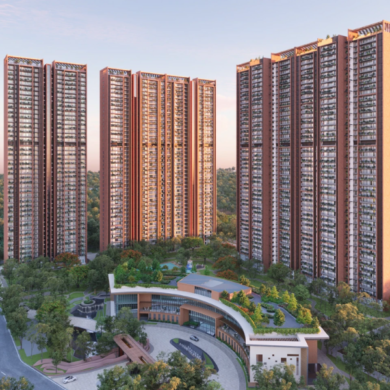



Green buildings and sustainable real estate investments are reshaping property choices for forward-thinking buyers and developers. With growing demand and government backing, eco-conscious development is becoming central to long-term real estate strategy.
Sustainability is becoming a key driver in the way real estate is designed, developed, and invested in. Green structures are thoughtfully created to minimise environmental impact – through energy efficiency, responsible material choices, and smart resource management.
The rise of sustainable real estate investments reflects growing preference for assets that offer long-term financial returns, while aligning with environmental and social objectives. Globally, this shift is gaining momentum, as urbanisation accelerates and climate awareness deepens.
In India, metro cities and high-growth corridors are embracing sustainability as a core standard, rather than an optional add-on. With rising demand for durability, lower operational costs, and eco-conscious living, real estate is moving towards a greener, smarter future. This blog highlights how sustainability is reshaping investment strategies, and why both homeowners and investors are focusing on future-ready developments.
Table of Contents
What are Green Buildings?
Eco-friendly buildings are designed to minimise environmental impact while enhancing the well-being of occupants. As defined by LEED (Leadership in Energy and Environmental Design), these structures are designed, constructed, operated, and maintained to enhance environmental performance and human health – by efficiently using energy, water, and other resources.
These buildings prioritise sustainability using responsible materials, energy-efficient systems, and water-saving technologies. Common features include solar panels, rainwater harvesting systems, natural ventilation, and low-VOC interior finishes.
Certification systems such as LEED, IGBC (Indian Green Building Council), GRIHA (Green Rating for Integrated Habitat Assessment), and BREEAM (Building Research Establishment Environmental Assessment Method) assess and validate these performance standards. Many eco-friendly buildings also incorporate smart automation tools to monitor and optimise energy use – further reducing their environmental footprint, while improving operational efficiency.
Why Green Buildings are Gaining Popularity
The demand for green building in India is increasing rapidly, due to greater environmental awareness and changing regulatory frameworks. As concerns over climate change grow, utility expenses increase, and energy costs rise, developers and residents are prioritising energy-efficient designs and green infrastructure.
These structures also align well with ESG real estate goals, supporting broader corporate responsibility commitments. In India, government-led policies such as mandatory energy codes and promotion of green rating systems are encouraging the adoption of eco-conscious construction.
Globally, buyers and tenants are gravitating towards projects that support healthier lifestyles, reduce indoor pollution, and improve productivity. Enhanced resident comfort – combined with long-term savings and reduced ecological impact – makes eco-friendly construction an attractive choice for residential and commercial spaces alike.
The Rise of Sustainable Real Estate Investments
Drawing strong interest from institutional investors, REITs, and private buyers, these investments focus meeting ESG (Environmental, Social, Governance) criteria – prioritising long-term environmental performance, community well-being, and transparent governance.
Sustainable portfolios include properties with green certifications, efficient utilities, and minimal ecological impact. Investors are also leveraging tools like green bonds and sustainability-linked loans, to finance projects that deliver both financial returns and climate resilience.
From a future value perspective, these investments are proving to be less volatile, more attractive to discerning homebuyers, and aligned with emerging regulations. As more global funds commit to net-zero goals, green-certified properties are becoming essential in asset strategies.
Benefits of Investing in Eco-friendly Buildings
These offer a compelling range of advantages for homebuyers and investors – including long-term savings on electricity and water expenses, along with maintenance costs due to the use of durable and sustainable materials.
Such properties may command higher resale value and rental yields, as they attract tenants and buyers seeking eco-conscious living environments. Investors are also futureproofing their portfolios, by aligning with regulations focused on reducing emissions and improving efficiency.
These eco-friendly structures demonstrate better resilience to climate-related risks like heatwaves and water shortages, offering stability in uncertain conditions. Their appeal is further strengthened by growing demand from eco-aware residents who prioritise health, wellness, and responsible consumption. For today’s discerning investors, eco-consciously built structures are not only environmentally sound, they are financially strategic too.
Challenges in Adopting Green Building Practices
Despite growing demand, ESG real estate adoption still faces practical and financial hurdles. One of the most cited challenges is the higher upfront construction cost associated with these materials, technologies, and processes.
Smaller developers may lack the technical expertise or awareness to integrate these elements effectively. Certification procedures can be complex, with multiple criteria and ongoing audits – making compliance more time-consuming.
Yet, as green materials become more mainstream and awareness improves, these challenges are slowly being addressed through education, policy incentives, and financing innovations. Overcoming these hurdles is essential for the long-term growth of ESG-compliant real estate in India and globally.
Government Policies and Green Building Incentives – India
The government has implemented many policy frameworks to promote green building in India and accelerate sustainable construction practices. Key initiatives such as Energy Conservation Building Code (ECBC), Smart Cities Mission, and GRIHA rating system aim to standardise eco-conscious design across the real estate sector.
State governments offer additional incentives, which may include enhanced Floor Space Index (FSI), reduced stamp duties, and property tax concessions for certified eco-friendly structures. These measures have made sustainable development more attractive for both developers and homebuyers.
BEE (Bureau of Energy Efficiency) also holds a vital role in raising awareness and building capacity through industry-wide outreach. Reflecting the nation’s growing commitment, India achieved the third position globally in the 2024 LEED Green Building rankings, as announced by the US Green Building Council (USGBC). This milestone further highlights the country’s leadership in driving environmentally responsible real estate.
Key Green Projects and Case Studies – Globally
Some of the most successful sustainable real estate investments can be seen in India and across the globe. Notable Indian examples include the Infosys campuses, which are known for energy efficiency and rainwater harvesting; CII-Sohrabji Godrej Green Building in Hyderabad, which is India’s first LEED Platinum-certified structure; and ITC hotels that have adopted green practices across their properties.
Globally, projects like The Edge in Amsterdam – the world’s most sustainable office building – and One Central Park in Sydney, showcase the power of smart design and eco-friendly buildings in large-scale urban settings.
These case studies underline how green construction enhances not just performance, but also market value and brand equity. For developers and investors, such benchmarks are a source of inspiration and proof that sustainability-driven real estate delivers on all fronts – design, efficiency, and profitability.
Future Outlook: Sustainable Development as the New Standard
As ESG real estate continues to evolve, green building in India will move from niche to norm. Developers are integrating advanced technologies like AI, IoT, and smart grids to manage energy consumption, monitor indoor environments, and optimise building operations in real time.
Homebuyer preferences are shifting towards structures that deliver wellness, efficiency, and social responsibility. Investors are also moving capital towards assets aligned with sustainability frameworks, driven by global climate goals and carbon-neutral targets.
The future of real estate sector lies in adopting lifecycle-focused, eco-conscious models that support resilience and long-term value. Sustainable development is no longer an option; it is the benchmark by which modern real estate will be measured.
Conclusion
Green buildings have moved beyond being a trend, and now represent a future-ready approach to design and construction. With rising environmental awareness, cost efficiency, and health benefits, they are becoming the preferred choice for modern homebuyers and investors.
These structures support energy savings, promote nature-friendly living, and increase property value over time. As climate goals become more urgent and investor scrutiny increases, aligning with eco-conscious design is both responsible and rewarding.
Whether you are planning a residential purchase or looking for long-term investment security, prioritising sustainability is a smart strategy. These structures are not just about reducing impact; they are also about building smarter, healthier, and more resilient futures.
FAQs
1. What makes a building green?
Energy-efficient systems, sustainable materials, water-saving technologies, and smart design make a building green, as these minimise ecological footprint and enhance the health and comfort of occupants.
2. Are green buildings more expensive to build?
Green buildings are more expensive to build initially, due to the cost of eco-friendly materials and certification, but they lead to long-term savings on energy, water, and maintenance.
3. What are the benefits of living in a green-certified building?
The benefits of living in a green-certified building are reduced energy and water expenses, enhanced air quality, greater thermal comfort, and a healthier, more sustainable lifestyle.
4. Do green buildings offer better returns for investors?
Green buildings offer better returns for investors, through long-term savings, higher rental yields, stronger resale value, lower vacancy rates, and compliance with future sustainability regulations.
5. Which are the most recognised green building certifications in India?
The most recognised green building certifications in India are LEED, IGBC, GRIHA, and BEE Star Rating, which assess environmental performance and energy efficiency.
6. How do green buildings contribute to climate change mitigation?
Green buildings contribute to climate change mitigation by cutting greenhouse gas emissions, minimising electricity and water usage, and promoting responsible construction practices.
7. Can older buildings be retrofitted to become green?
Yes, older buildings can be retrofitted to become green – by upgrading to energy-efficient appliances, installing rainwater harvesting systems, and using sustainable materials for renovation.
8. What government incentives are available for sustainable construction in India?
Government incentives for sustainable construction in India include low-interest loans through Indian Renewable Energy Development Agency (IREDA), state-level incentives, fast-track approvals, and tax benefits.
9. How can individual investors participate in sustainable real estate?
Individual investors can participate in sustainable real estate, by buying green-certified properties, investing in ESG-focused REITs, and choosing sustainability-linked financial products.
10. What role does technology play in green building development?
Technology plays a key role in green building development through AI, IoT, and smart systems that optimise energy use, monitor air quality, and reduce operational impact.