

Some find comfort in the clouds, others in the calm of the ground. The right home is not about height – it is about how it fits your life. Understand the different types of apartments, weigh what matters, and choose the space that feels like yours.
Table of Contents
Introduction
Skyward or grounded – urban homebuyers increasingly face this dilemma today. As cities grow denser and living preferences evolve, the debate between high-rise and low-rise apartments becomes more relevant than ever. Both formats offer distinct advantages; shaped by location, lifestyle, and design.
From high-rise complexes in CBDs to low-rise buildings tucked away in peaceful suburbs, modern buyers now have access to diverse types of apartments. With each having its own advantages and disadvantages, the question arises: which apartment is better – high-rise or low-rise? This blog explores the key differences that define them, helping you choose what fits best into your everyday life and long-term plans.
Importance of Choosing the Right Apartment Type Based on Lifestyle and Needs
Choosing the right home goes beyond location and budget. It depends on how well the space fits your routine, family size, and long-term comfort. With diverse types of apartments available today, matching your lifestyle with the right option is essential.
If you are wondering which apartment is better – high-rise or low-rise, the answer lies in your needs and whether you prefer urban living in gated communities with multiple amenities or quieter settings with more privacy and personal space.
What are High-rise and Low-rise Apartments?
Before deciding which apartment is better – high-rise or low-rise, it is important to understand what each one means. These are two common types of apartments seen in core neighbourhoods and growing areas.
High-rise Apartments
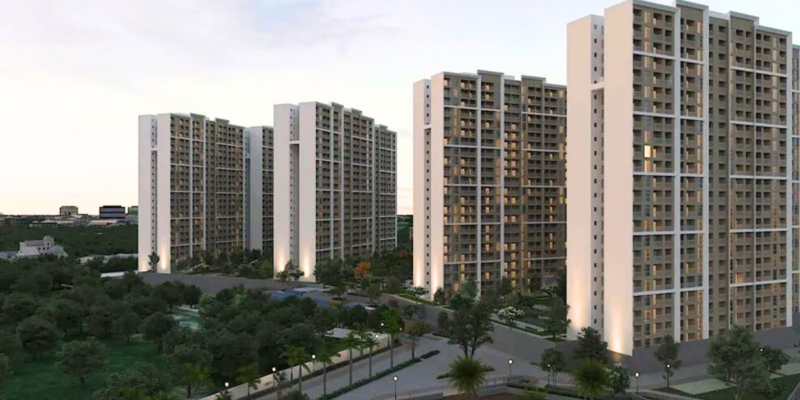
High-rise apartment is a building that usually has more than 10 floors. In some cities, buildings above 35 metres in height are also called high-rises. These towers are found in high-demand & rapidly growing areas, and are part of big residential projects. They come with lifts, basement parking, and shared amenities like clubhouses or swimming pools.
Also Read: High Rise Building- Definition, Design, Safety, and Investment Insights
Low-rise Apartments
Low-rise apartment is a smaller building that usually has 1-4 floors. Some may have up to 5 floors. These are seen in quieter areas or residential layouts. Such residences feel more like independent living, especially when there are only a few flats on each floor. These buildings may not have large common spaces, but they provide a more private and peaceful setting.
8 Key Factors to Compare High-rise and Low-rise Apartments
Described below are 8 important factors that can help you understand how these 2 types of apartments feel, function, and fit into your daily life.
-
High-rise vs Low-rise Apartments: Location and Accessibility
Where the gated community is located, plays a big role in your daily comfort – as it decides how long it takes to reach work, school, or essential places. High-rise buildings are mostly built in central areas or growing business hubs. These locations are well-connected by roads, public transport, and commercial centres. Developers choose such areas due to high demand and better access to infrastructure.
On the other hand, low-rise buildings are usually found in quieter neighbourhoods or suburban zones. These areas may have fewer traffic issues and calmer setting, but might be a little farther from main city centres.
-
High-rise vs Low-rise Apartments: Privacy and Noise Levels
How much privacy you get and how quiet the surroundings feel can affect your comfort at home. Low-rise structures have limited homes in one building. This means fewer neighbours, less foot traffic, and lower noise. You may enjoy more peace, especially if the project is not close to a main road.
In high-rise apartments, there are more floors and more people living in the same tower. This can lead to more movement in common areas. Upper floors are quieter though – as they are away from street sounds and daily noise from ground-level activities.
-
High-rise vs Low-rise Apartments: View and Ventilation
Natural light, fresh air, and panoramic views can make a big difference in how your home feels. In the former, the view is one of the biggest differences. The upper floors especially offer wide views of the city skyline. These floors also get more natural light and better air circulation, especially in open layouts.
The latter may not provide elevated views, but may come with wider balconies or open corridors. If placed well, they allow for good cross-ventilation and airflow, which helps in keeping the space cool and fresh.
-
High-rise vs Low-rise Apartments: Amenities and Lifestyle
The kind of indulgences available in a gated community shapes your daily routine and comfort. High-rise apartments come with many amenities such as clubhouse, swimming pool, gym, children’s play area, multifunctional hall, jogging / cycling track, sports facilities, landscaped gardens, and more. These types of apartments are part of large residential projects, that are designed to enable active lifestyle and social interaction.
Low-rise buildings may not include as many shared amenities. However, they may provide more open space for personal use, like bigger balconies or ground-floor gardens. This can offer a more private and flexible way of living, to those who prefer quiet over community gatherings.
Also Read: Advantages of Living in Low-rise Apartments
-
High-rise vs Low-rise Apartments: Maintenance and Society Charges
The cost of maintaining shared spaces and services can vary based on the building type and its features. Monthly expenses in both differ, due to the level of infrastructure involved. Towers with multiple floors, advanced amenities, and large-scale layouts tend to incur higher maintenance charges. These include the cost of lifts, security systems, water management, and backup power – all of which require regular upkeep.
Smaller residential buildings with limited shared spaces have lower running costs. Fewer amenities and simpler structures make it easier to manage monthly contributions. For homebuyers wondering which apartment is better – high-rise or low-rise, this setup suits those who prefer streamlined living with manageable expenses and only the essential services.
-
High-rise vs Low-rise Apartments: Safety and Security
Feeling safe in your home is always a top priority, no matter where you live. High-rise towers usually come with stronger safety systems. These include gated entry, CCTV surveillance, intercom access, fire alarms, and well-trained security personnel. Many towers also have emergency exits and fire lifts as part of building regulations.
In low-rise buildings, safety features depend on the developer and size of the building. Some may have security guards or basic camera systems, while others rely on community cooperation. Smaller buildings may not have the same level of tech-based safety, but fewer residents can make it easier to know and trust your neighbours.
-
High-rise vs Low-rise Apartments: Resale Value and Investment Potential
While buying a home, it also helps to think about its future value in the market. Resale trends depend on the city, location, and property size. High-rise apartments in prime areas attract steady demand due to better connectivity, newer construction, and modern features. This can offer good long-term value, especially for working professionals or investors.
Low-rise apartments appeal to a specific group of buyers who prefer privacy and low-density living. In some suburbs or plotted layouts, these homes may see strong appreciation – especially if they offer extra space, land share, or independent features.
-
High-rise vs Low-rise Apartments: Construction and Waiting Time
How soon you get possession of your home depends on the size and structure of the building. Among different types of apartments, high-rise buildings usually take longer to complete – as they involve more floors, complex planning, and permissions from multiple authorities. Projects may take anywhere from 3-5 years, depending on the developer and location.
Low-rise apartments are quicker to build, as they involve fewer floors and simpler design. Some ready-to-move-in options may be available in under 2 years. This makes them suitable for homebuyers and investors, who do not want to wait too long for possession or need quicker relocation.
High-rise vs Low-rise Apartments: Who Should Choose What?
Not every home fits every lifestyle. Choosing between these types depends on what matters most to you. Towers are ideal for professionals working in busy city centres. They suit those who prefer modern features, panoramic views, and a wide range of shared amenities. If a social and fast-paced lifestyle appeals to you, a high-rise might feel like the right match.
Low-rise works well for families with children or senior members. Ground access, fewer stairs, and more privacy make them easier to manage daily. They also suit buyers who prefer quieter surroundings, open layouts, and fewer neighbours around their living space.
High-rise vs Low-rise Apartments: Pros and Cons
To help you decide which apartment is better – high-rise or low-rise, here is a quick comparison of the key differences:
| Feature | High-rise Apartments |
Low-rise Apartments
|
| Privacy | Moderate privacy, with more residents per tower |
Higher privacy, due to fewer flats per building
|
| View | Panoramic views from upper floors |
Limited views, but better open ground-level access
|
| Amenities | Extensive shared amenities |
Basic or fewer amenities
|
| Maintenance Cost | High, due to lifts, security, amenities, services |
Low, with limited shared infrastructure
|
| Possession Time | Longer, due to construction complexity |
Faster possession possible
|
| Ideal For | Urban professionals and active lifestyle seekers |
Families, seniors, and those seeking quiet living experiences
|
Conclusion
Choosing the right home means finding what truly fits your way of life and supports how you live every day. If you are wondering which apartment is better – high-rise or low-rise, the answer lies in your personal priorities. High towers offer modern comforts, panoramic views, and connected lifestyle in busy city zones.
In contrast, low-rise ones provide quieter environment, easier access, and more personal touch with added privacy. Think about what matters more to you – convenience or calm, city views or grounded ease, many amenities or fewer shared spaces. The best home is the one that supports your daily rhythm and long-term comfort.
FAQs
1. What is the main difference between high-rise and low-rise apartments?
The main difference lies in the height and number of floors, with the former having 10+ floors and the latter having 1-4 floors. Which apartment is better – high-rise or low-rise, depends on needs, preferences, budget, and many other factors.
2. Are high-rise apartments more expensive than low-rise apartments?
Yes, high-rise homes are more expensive due to location, amenities, and maintenance costs. However, prices may vary based on city and developer specifications.
3. Which type of apartment is better for families with children?
Low-rise apartments are better suited for families with children, due to easier ground access, quieter surroundings, and more private environment.
4. Do high-rise apartments have better resale value?
Yes, high-rise apartments have better resale value in prime city areas because of demand for modern features and central locations.
5. Are low-rise apartments safer during emergencies like fires or earthquakes?
Low-rise apartments are generally considered safer during emergencies, as evacuation is quicker and structural risk is lower in shorter buildings.
6. Which apartment type has lower maintenance costs?
Low-rise apartments usually have lower maintenance costs due to fewer shared amenities and simpler infrastructure.
7. Is it easier to get possession in low-rise apartments?
Possession may be faster in low-rise apartments, as they have shorter construction timelines and less regulatory complexity.
8. What are the pros and cons of living on higher floors?
Pros of living on higher floors are panoramic views, less street noise, and enhanced natural light & ventilation; cons include elevator dependency, longer wait times, and higher temperatures in summer.
9. Are high-rise apartments noisier than low-rise ones?
High-rise apartments may have more noise in common areas, but upper floors are usually quieter. Low-rise ones offer overall better noise control, due to lesser population density in the building.
10. Which apartment type is better for senior citizens?
Low-rise apartments are better for senior citizens, due to fewer stairs, easier access, and quieter environments.