

Buying a high-rise apartment is more than choosing a home; it is about securing comfort, safety, and long-term value in an evolving urban skyline. With the right checks and a clear approach, your ideal space in the sky can become a confident investment.
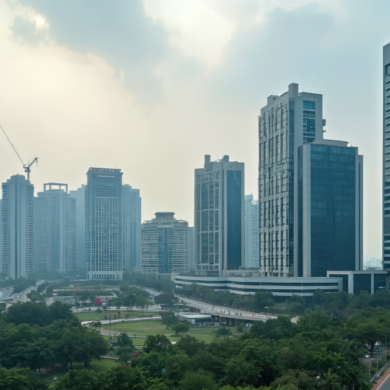
City skylines are evolving, and so is the way people live. With land becoming scarce and urban expansion reaching new heights – literally, high-rise apartments have emerged as the preferred choice for modern homebuyers. These vertical homes promise expansive views, secure environments, and modern lifestyle supported by advanced amenities. However, not every tower delivers what it promises.
The decision to invest in a tall residential structure requires far more than just liking the view from the top. From legal compliance to construction quality, and from privacy to long-term value, every detail matters. This high-rise apartment buying guide outlines the key factors and the most relevant things to check, so your investment remains secure and meets your lifestyle requirements.
Table of Contents
What are High-rise Apartments?
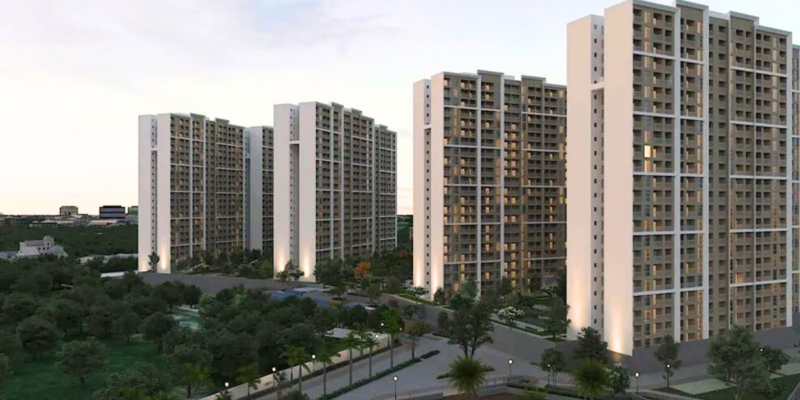
These are homes in a residential building, that generally rises above 12 storeys and is equipped with elevators to access all levels. By accommodating many families vertically, these structures optimise land use in urban areas. Understanding what to look for in a high-rise apartment starts with identifying how these tall buildings differ in design, safety, and lifestyle dynamics.
15 Things to Check Before Buying a High-rise Apartment
These residences are not just about elevation; they are about evaluating every layer of liveability. From legal clarity and construction quality to ventilation and privacy, many aspects influence long-term comfort and value. This section outlines what to look for in a high-rise apartment, enabling homebuyers to take informed decisions before making an investment.
-
Location
Your neighbourhood shapes everyday convenience and long-term returns, making it a decisive factor in high-rise property investment. Proximity to workplaces, schools, hospitals, metro lines, malls, and entertainment avenues reduces commute stress and enhances lifestyle quality.
Upcoming infrastructure such as expressways or metro extensions can influence appreciation. To ensure long-term comfort and suitability, evaluate the location’s liveability, safety, and access to daily essentials.
-
Unit Size and Layout
The size and configuration of your apartment influence how comfortably the space functions on a daily basis. Examine the carpet area closely, as it represents the actual usable space. Avoid layouts with long corridors or irregular room shapes that waste square footage without adding utility.
One of the important things to check before buying a high-rise apartment is how effectively the floor plan balances open space with privacy. Well-designed layouts ensure proper separation of active and personal spaces – like placing bedrooms away from the main entrance or living area. Look for flexibility in layout that can adapt to future changes in lifestyle or family structure.
-
Amenities and Facilities
Amenities enhance lifestyle quality and define the living experience in high-rise gated communities. Look for indulgences such as clubhouses, swimming pools, multifunctional halls, gyms, sports facilities, recreational areas, landscaping, children’s play areas, and more. Also look for essential facilities such as power backup, reliable water supply, high-speed lifts, and 24×7 security. These features not only add comfort, but also support physical and social well-being.
Evaluate how well-maintained and accessible these amenities are, and whether they cater to the number of residents, ensuring functionality without overcrowding. According to CBRE, over 65% of urban homebuyers prioritise amenities while selecting a residential property – highlighting what to look for in a high-rise apartment beyond just location and layout.
-
Title Deed and Ownership Verification
Before finalising any property, always check who is the legal owner of the apartment. Title deed is the document that proves ownership and grants the seller the right to sell the unit. Ask for a copy and confirm that the name on the deed matches the developer or seller offering the flat.
One of the key things to check before buying a high-rise apartment, is to ensure there are no loans or disputes linked to the property. Review the Encumbrance Certificate, which shows whether the property is free from legal or financial issues. You can also check the Sale Deed history to check if there are ownership gaps. For added safety, legal experts recommend verifying all documents through a property lawyer.
-
Security
Safety plays a central role in high-rise living, due to the scale and shared nature of these developments. Essential features include CCTV coverage, trained security personnel, gated entry, intercom systems, and functional fire safety equipment. These not only prevent unauthorised access, but also ensure timely response during emergencies.
While buying a high-rise apartment, assess how well these systems are designed, built, and maintained. Walk through the entry and exit points, check if fire exits are clearly marked, and ask about security patrol routines. A secure gated community fosters peace of mind and supports a comfortable residential environment for all occupants.
-
Approvals and Permits
A legally approved high-rise project ensures compliance with city development rules and building safety standards. Key approvals include building plan sanction, commencement certificate, environmental clearance, and height clearance from aviation authorities if applicable. These documents confirm that the project is authorised to be constructed.
While buying a high-rise apartment, ask the developer to share these permits before proceeding with the purchase. Cross-check those with municipal authorities or on the official website of the urban development authority. Projects without proper approvals risk future legal action or even demolition. Verifying permits is a fundamental step in the high-rise apartment buying guide, ensuring that your investment remains protected.
-
RERA Registration
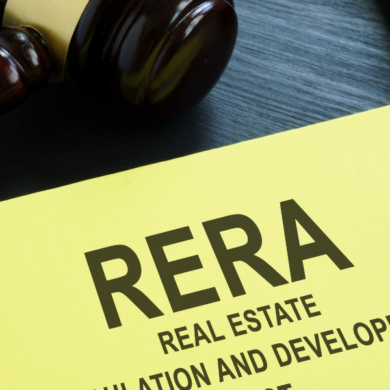
RERA (Real Estate Regulatory Authority) registration ensures transparency and accountability in real estate projects. RERA registered apartment confirms that the developer has officially disclosed all legal and technical details – including timelines, approvals, and layout plans. It helps protect buyer interests, by holding developers legally accountable for delays or deviations.
Always check the RERA number on your respective state’s RERA portal while buying a high-rise apartment, to confirm project registration and legal compliance. For example, use K-RERA for Karnataka, MahaRERA for Maharashtra, and TNRERA for Tamil Nadu. Verifying registration is a basic yet vital step, that safeguards your purchase from hidden legal and construction risks.
-
Ventilation and Natural Light
If you are wondering what to look for in a high-rise apartment, good ventilation and natural light are important – as they directly impact health, comfort, and energy efficiency. These homes enhance cross ventilation and receive adequate daylight in key areas like the living room, kitchen, and bedrooms. Poor airflow can lead to dampness, odours, and higher dependency on artificial cooling systems.
Visit the unit during the day to observe daylight and ventilation while buying a high-rise apartment, ensuring it meets comfort and energy efficiency needs. Check window placements, floor orientation, and distance between adjacent towers. Enhanced light and ventilation in high-rise buildings improves indoor quality, reduces electricity bills, and supports long-term liveability – making it an essential part of your high-rise apartment checklist.
-
Density and Privacy
Density refers to the number of homes per floor or per tower, and directly affects everyday comfort in a high-rise apartment. Higher density leads to longer lift wait times, increased corridor noise, and reduced personal space. It can also strain shared resources like water supply and common areas.
Check how many units share the same floor and how many towers are in the project, to understand density and overall living comfort. Fewer units per floor generally leads to more privacy and quieter surroundings. Optimum density can ensure the right balance between community living and personal comfort – an aspect that is generally overlooked while buying a high-rise apartment.
-
Noise and Pollution Levels
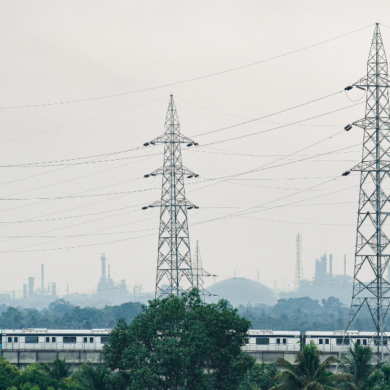
External noise and air pollution can affect both health and quality of life. Flats near highways, railway lines, or construction zones may experience constant disturbances. Lower floors are usually more exposed to dust and vehicular noise, while higher floors offer relatively cleaner air and quieter surroundings.
Visit the site during peak hours to assess actual noise and pollution conditions around the building. Ask about nearby industrial zones or major roads that may influence pollution levels. Prioritising this factor in things to check before buying a high-rise apartment supports long-term well-being, especially in dense urban environments.
-
Parking and Accessibility
Check if the project offers designated covered parking, dedicated visitor spaces, and separate entry and exit points. Poor parking arrangements can lead to daily inconvenience and disputes among residents. A well-organised parking system adds functional value to your living experience. Look for thoughtful features like ramps for easier vehicle movement, clearly marked slots, and lifts that are conveniently accessible from the parking area. These details improve everyday convenience and reduce long-term maintenance challenges in densely occupied buildings.
-
Resale Value and Investment Potential
Factors such as location, connectivity, quality of construction, and brand reputation play a key role in how the property is valued in the secondary market. High-rise apartments in growth corridors attract steady demand over time.
In any high-rise apartment buying guide, investment potential remains an important factor. Look for developments in areas with upcoming infrastructure, high occupancy rates, and good rental demand. These indicators suggest healthy resale outlook, and position the property as a reliable long-term asset.
-
Developer Reputation
Trustworthy developers ensure timely delivery, quality construction, and compliance with legal norms. Review their past projects, RERA records, and customer feedback. Including this factor in your high-rise apartment checklist helps avoid delays and hidden issues. Nationally renowned developers offer peace of mind, and add long-term value to property investments through consistent performance and professional conduct.
-
Maintenance Plans and Fees
Ongoing maintenance influences the quality of shared spaces, safety systems, and long-term asset value. Check which services are covered – such as cleaning, security, landscaping, and lift upkeep – and how frequently they are carried out.
Transparent fee structures indicate responsible management. Review the maintenance charges, escalation clauses, and RWA policies. Well-managed gated communities ensure smoother living experiences and lower chances of future disputes.
-
Financial Considerations
Beyond the base price, a high-rise apartment comes with additional costs – such as floor rise charges, preferred view charges, GST (if applicable), stamp duty and registration charges, maintenance deposits, interior design cost, and more. Home loan eligibility, interest rates, and EMI also play a major role in shaping your budget and repayment plan.
A complete high-rise apartment buying guide must account for these financial layers. Request a detailed cost sheet from the developer and consult a financial advisor if needed. Understand the total expense upfront to avoid unforeseen costs later and ensure that the investment aligns with your long-term financial goals.
Conclusion
Choosing the right high-rise apartment involves more than just liking the view; it requires attention to detail, legal awareness, and practical foresight. From verifying ownership documents to evaluating liveability factors like ventilation, density, and safety, each step plays a role in securing both comfort and value.
This high-rise apartment buying guide encourages a thoughtful approach, that can lead to a more confident and rewarding purchase. If you are ready to explore these homes, take a closer look at the options available in your preferred city or area, while bearing in mind the 15-point checklist from this blog.
FAQs
1. What are the most important things to check before buying a high-rise apartment?
The most important things to check before buying a high-rise apartment include legal approvals, title deed, RERA status, safety features, and construction quality.
2. Which floor is ideal to live on, in a high-rise building?
The ideal floor to live on, in a high-rise building depends on personal preferences, but mid to upper floors offer better views, enhanced ventilation, more sunlight, and less noise.
3. How do I ensure the safety of a high-rise apartment during emergencies?
You can ensure the safety of a high-rise apartment during emergencies, by checking fire exits, alarm systems, emergency lighting, and evacuation plans.
4. Why is RERA registration important for high-rise properties?
RERA registration is important for high-rise properties, as it protects the interests of homebuyers and ensures legal compliance, project transparency, and timely delivery.
5. Are high-rise apartments a good investment in the long term?
Yes, high-rise apartments are a good investment in the long term, if they are located in rapidly growing areas, built by reputed developers, and backed by strong demand.
6. Which amenities should a well-planned high-rise apartment offer?
Amenities that a well-planned high-rise apartment should offer include clubhouses, swimming pools, multifunctional halls, gyms, sports facilities, recreational areas, landscaping, children’s play areas, and more.
7. How can I verify the legal documents of a high-rise property?
You can verify the legal documents of a high-rise property by reviewing the title deed, encumbrance certificate, RERA details, and building approvals through a property lawyer.
8. Do maintenance costs differ in high-rise apartments compared to low-rise ones?
Yes, maintenance costs in high-rise apartments are higher compared to those in low-rise ones, due to more lifts, higher security, and many amenities.
9. How can I assess ventilation and natural light in a high-rise unit?
You can assess ventilation and natural light in a high-rise unit, by checking window placement, tower spacing, and sunlight penetration during site visits.
10. What to look for in a high-rise apartment, in terms of parking and lift access?
In terms of parking and lift access in a high-rise apartment, you should look for covered slots, dedicated visitor parking, well-maintained lifts, power backup, fire safety, and smooth access between floors and parking zones.