

NRI Guide to Buying Sea-facing Apartments in Mumbai: ROI, Legal Process, Best Locations
May 13th, 2026
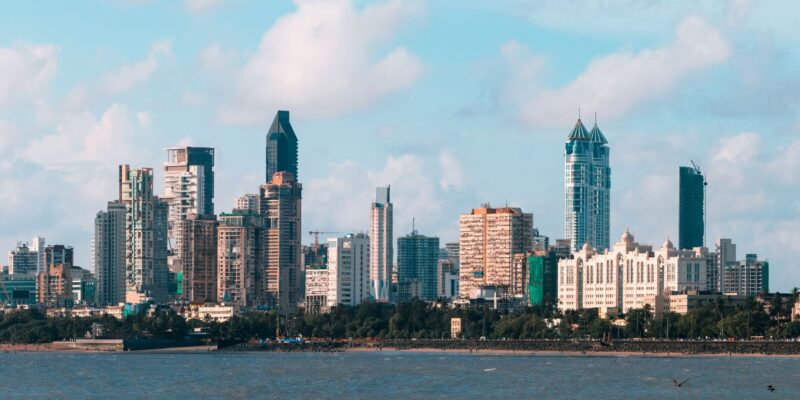
Sea-facing apartments in Mumbai for NRI investors bring together limited waterfront supply, FEMA clarity, rental scope, repatriation rules, and prime location choices across the city.
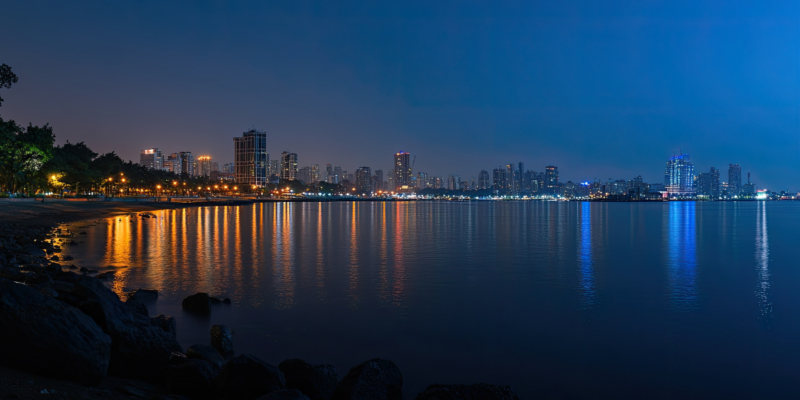
The waterfront housing market in Mumbai Metropolitan Region (MMR) has been drawing expats through a rare mix of emotional value, financial security, rental scope, and ‘global city’ recognition. The move has grown from nostalgia to strategic investment, as many overseas Indian families view these homes as wealth assets that carry legacy, usability, and future resale merit.
Sea-facing apartments in Mumbai for NRI buyers fit this intent as they combine skyline value, limited availability, and prime addresses.
Supply-demand preservation edge comes from the city’s dense coastline, where new sea-facing inventory across established neighbourhoods is not easily available. This scarcity keeps such residences distinct in a market shaped by business centres, social infrastructure, and high-value redevelopment.
These properties serve multiple goals for global Indians: return-ready assets, future India base, and premium units that carry emotional connection with financial purpose.
Table of Contents
ROI for NRI property investment in Mumbai 2026
Sea-facing apartments in Mumbai for NRI buyers carry financial merit through rare vistas, smooth connectivity, and rental suitability. Worli, Bandra, Juhu, Prabhadevi, and Parel continue to command a premium capital outlay due to established social infrastructure and sustained interest from high-income home seekers.
Average annual yield for prime waterfront homes in the city is around 3-4%, while ultra-prime locales may stay near 2.5-3% as acquisition costs remain elevated.
Rental yield for Mumbai sea-facing flats depends on entry cost, monthly amount, tower profile, carpet area, furnishing, maintenance outgo, and lease profile. These units carry portfolio merit as they combine lifestyle appeal, leasing desirability, resale depth, and legacy appeal across recognised real estate belts in MMR.
The Legal Process: FEMA Rules for NRIs in 2026
India’s foreign exchange framework allows expats to acquire non-agricultural properties.
For anyone evaluating a sea-facing apartment in Mumbai for NRI ownership, the key eligibility condition is NRI / OCI status, along with payment through permitted banking routes such as inward remittance, NRE, NRO, or FCNR(B) accounts.
Overseas Indian purchasers do not need prior RBI approval for residential or commercial acquisition in India. The restriction applies to 3 categories: agricultural land, plantation land, and farmhouses. Official guidance states that there is no limit on the number of permitted home or commercial assets such purchasers can acquire.
FEMA rules for NRI buying luxury property in Mumbai focus on eligibility, banking compliance, title review, tax deduction, agreement scrutiny, and repatriation rules after resale.
Funding the Purchase and Managing Taxes
Funding a sea-facing apartment in Mumbai for NRI ownership demands clean banking trails, funded through inward remittance, NRE, NRO, or FCNR(B) accounts.
High-net-worth expats may use housing loans for liquidity planning, currency management, or portfolio allocation – although many such purchases involve substantial self-funded capital.
In prime coastal belts, Mumbai flat prices require careful budgeting across base cost, stamp duty, registration fee, maintenance corpus, society charges, and legal scrutiny. For loans above ₹75 lakh, lending norms cap the loan-to-value ratio at 75% – while stamp duty, registration, and documentation charges may not form part of the financing.
Tax planning needs equal care. If the buyer is a resident Indian, purchases above ₹50 lakh attract 1% TDS under Section 194-IA. Section 195 applies for non-resident Indians – with no minimum threshold limit, and deduction linked to capital gains rules and applicable certificates.
Repatriation of Funds: Taking Your Money Back Out
Exit planning matters as much as acquisition, for overseas Indians who view Mumbai real estate as a global wealth asset.
Investors in sea-facing apartments in Mumbai for NRI need clear exit planning, as sale proceeds can be repatriated through authorised dealer banks after tax compliance, source verification, and account classification.
For assets bought through foreign inward remittance, NRE, or FCNR(B) funds, repatriation is permitted up to the amount originally paid in foreign exchange. This facility is restricted to 2 such properties. Any balance routed through an NRO account can fall under the USD 1 mn per financial year repatriation limit, after applicable taxes and documentation.
Therefore, sea-facing apartments in Mumbai need clear purchase records, bank statements, sale deed copies, proofs of tax payments, Form 15CA / 15CB where applicable, and authorised bank review. This keeps future fund movement legally compliant and traceable.
Best Locations for Sea-view Flats in Mumbai for NRIs
Sea-facing apartments in Mumbai for NRI gain merit in areas where business reach, social infrastructure, and asset scarcity meet.
South Mumbai remains the legacy waterfront through Malabar Hill, Walkeshwar, Napean Sea Road, Cuffe Parade, Colaba, Marine Drive, and Worli, while flats in Parel draw attention through central location, luxury high-rises, and Arabian Sea views.
Current market indicators place South Mumbai high-end quotes around ₹52,500-101,000 per sq ft, with monthly rentals ranging from ₹80,000 to ₹7.3 lakh across prime projects.
Western suburbs such as Bandra, Juhu, Versova, and select Andheri stretches work for overseas Indians seeking coastal culture, social ease, airport reach, and high-end units. Recent premium launches in western suburbs have touched ₹50,000-70,000 per sq ft, while broad average rates sit around ₹28,000-38,000 per sq ft.
Flats in South Mumbai continue to attract expats through legacy waterfront localities, limited coastal frontage, and high resale depth. The eastern seaboard – including Parel, Sewri, Wadala, and harbour-linked belts – are seeing rising demand due to luxury projects, proximity to business zones, and modern infrastructure.
SOBHA’s Commitment to NRI Buyers
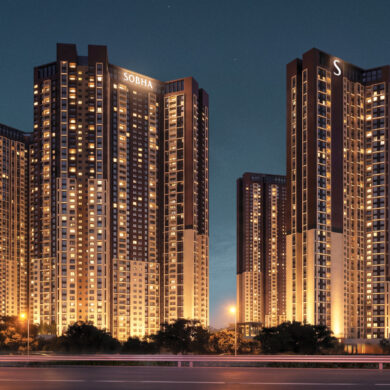
For those evaluating sea-facing apartments in Mumbai for NRI, SOBHA brings a quality-led ownership experience shaped by its backward integration model, in-house craftsmanship, and process discipline. The company’s journey includes 589 luxury developments across 28 cities, which gives global Indian investors a scale-based trust marker.
Quality remains central to this proposition. SOBHA follows a rigorous pre-handover inspection system with 1456 parameters for every home – ensuring thorough checks across construction, finishes, fittings, services, and functional details before possession.
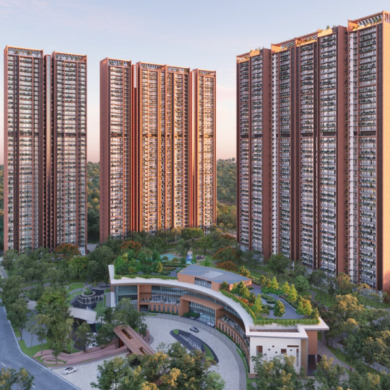
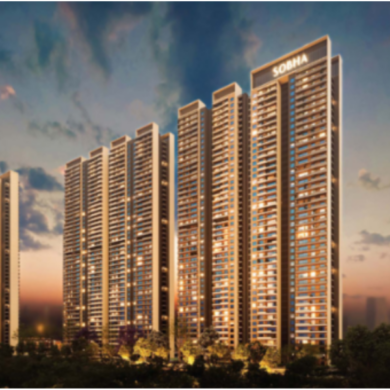
For those exploring luxury flats in Parel, SOBHA Inizio offers high-rise living, panoramic views of Arabian Sea, curated amenities for all age groups, and more. The ownership journey gains practical ease through MahaRERA registration, structured documentation, and dedicated assistance for purchasers managing acquisition from abroad.

Conclusion
Mumbai’s real estate market gives expats a rare mix of personal connection, capital preservation, rental scope, and legacy appeal. Coastal-view residences continue to draw attention as they combine waterfront living, highly sought-after addresses, social infrastructure, and proximity to business hubs.
For global Indian investors, this asset class works beyond lifestyle aspiration, as it can serve as an India base, a portfolio asset, and a future inheritance holding.
A sea-facing apartment in Mumbai for NRI investors works as a strategic acquisition if legal checks, FEMA compliance, tax planning, title review, and exit rules align from the start. Apartments in Mumbai with coastal views need careful evaluation across the area, views, developer track record, maintenance outgo, lease scope, and resale depth.
Well-chosen waterfront units can carry financial merit and emotional significance for overseas Indians seeking a meaningful place in the city.
FAQs
Can expats buy sea-facing abodes in Mumbai without RBI approval?
Yes, expats can buy sea-facing abodes in Mumbai without prior RBI approval, if they follow FEMA rules, approved banking channels, tax norms, and legal documentation requirements.
What is the expected rental yield for a sea-view abode in Mumbai?
The expected rental yield for a sea-view abode in Mumbai is around 3-4%.
What are the best neighbourhoods in Mumbai for sea-facing residences in 2026?
The best locations for sea-view flats in Mumbai for NRIs include Worli, Bandra, Juhu, Prabhadevi, Parel, Marine Drive, Colaba, and select harbour-linked belts. These areas draw attention through panoramic vistas, business hubs, social infrastructure, and resale depth.
How much capital appreciation can NRIs expect from Mumbai waterfront units?
Capital appreciation that NRIs can expect from Mumbai waterfront units depends on entry cost, neighbourhood quality, developer profile, locality, tower specifications, and resale depth.
Can expats repatriate the money after selling a property in India?
Yes, expats can repatriate money after selling a property in India through authorised dealer banks – subject to taxes, source verification, and account classification. Funds linked to NRO accounts may fall under the USD 1 million per financial year repatriation limit.
Which bank accounts must NRIs use to buy property in Mumbai?
Banking routes that NRIs must use to buy property in Mumbai are inward remittance, NRE, NRO, or FCNR(B) accounts. Payments should be traceable through authorised banking channels.
Are expats allowed to buy agricultural land near Mumbai?
No, expats are not allowed to buy agricultural land, plantation, and farmhouses – as per FEMA rules for NRI buying luxury property in Mumbai.
Do coastal apartments in Mumbai cost significantly more than inland units?
Yes, coastal apartments in Mumbai cost significantly more than inland units, due to waterfront frontage, view quality, address recall, and limited inventory.
Is it easy for NRIs to get a housing loan for an abode in India?
NRIs can get a housing loan for an abode in India if they meet lender criteria related to income, credit profile, employment, documentation, and repayment capacity. For loans above ₹75 lakh, lending norms cap LTV (loan-to-value) ratio at 75%.
What documentation does an NRI need to buy a unit in Mumbai?
Documentation needed to buy a sea-facing apartment in Mumbai for NRI includes passport, visa or OCI proof, PAN, overseas address proof, photos, income papers, bank statements, payment records, title papers, sale agreement, tax receipts, approved plans, and registration papers.