

Is Pune Real Estate Slowing Down or Just Stabilising? What 2026 Registrations and Price Data Actually Tell You
May 30th, 2026
Pune real estate in 2026 shows stabilisation through value-led transactions, premium housing interest, infrastructure growth, and steady confidence in organised developments.
Pune real estate market 2026 reflects stabilisation, not a slowdown. After a strong phase of sales, rate movement, and housing demand, the city is entering a measured property cycle where location, construction quality, developer credibility, and project fundamentals carry more value.
Current real estate in Pune continues to hold attention as the city draws strength from IT parks, educational institutions, manufacturing belts, and civic upgrades across key growth corridors.
For homebuyers and investors, 2026 data need a balanced reading. A dip in monthly filings does not indicate weak sentiment; but points to a mature phase after sustained activity. Stamp duty records, market prices, launch patterns, and preferences together reveal how the city is moving.
This article looks at the numbers closely to understand whether Pune is slowing down or settling into a steady phase.
Table of Contents
Pune’s Residential Market Performance in 2026
Cushman & Wakefield’s Q1 2026 report shows that the current real estate in Pune remains active, even as quarterly movement reflects a measured pace. The city recorded 11,371 new launches during the quarter, with 8.2% annual rise and 2.3% sequential dip.
This indicates that the property market in Pune is not losing ground; it is entering a phase where supply aligns with location depth, income groups, and positioning.
NH4 Bypass North led the market with 33% share of new supply, while North Peripheral and Aundh-Baner contributed 11% each. The mid-premium segment held 46% share, followed by high-end at 38%. This mix shows continued traction for luxury apartments in Pune, especially in locales tied to tech employment, road infrastructure, and organised developer activity.
Jan 2026 Pune Real Estate Registrations
Jan 2026 records show a measured transaction period, with 14,527 registered deals against 17,449 in Jan 2025 – reflecting 17% annual dip. However, stamp duty collections moved from ₹638 cr to ₹609 cr, a 5% decline.
The small fall in revenue compared to reduction in no. of deals indicates that high-value purchases kept collections resilient.
The positive takeaway lies in ticket movement and unit preference. Homes up to ₹1cr held 82% share, while the ₹1-2.5cr bracket touched 14%, showing visible traction in high-end residences. This pattern gives a balanced reading of property price trends in Pune.
The data shows unique activity, which gives the Pune real estate slowdown narrative a measured context.
Who is Still Buying in Pune, and Why That Matters More Than Volume
The current real estate in Pune is being led by families who place usage, location, and unit size at the centre of purchase decisions. They continue to choose apartments near workplaces, schools, colleges, hospitals, and malls – keeping housing activity elevated even during periods of fewer transactions.
Dual-income families are adding depth to the premium segment. Many of them prefer abodes with privacy, WFH provisions, and multigenerational solutions. This is where luxury 3 and 4BHK flats in Pune gain attention among professionals with stable incomes and clear upgrade goals.
The large-format demand seen in 2026 data supports this shift. Units in the 800-2000 sq ft range gained healthy interest, while prime residential areas in Pune attracted buyers focused on social infrastructure and spacious layouts.
East vs West: Two Different Growth Stories
West Pune continues to draw demand through established IT hubs, social conveniences, and luxury gated developments across Kothrud, Baner, Aundh, Wakad, and Hinjawadi. Current real estate in Pune in this corridor reflects upscale buying, where families look at developer credibility, large floor plans, and travel comfort.
East Pune carries a varied rate structure across Kharadi, Wagholi, Hadapsar, and nearby areas. It serves working professionals, first-time homebuyers, and investors who compare commute routes, scale, and future civic upgrades. This keeps flats in Pune relevant across different budget bands.
Ring Road and Purandar Airport add specific advantages to the city’s expansion. As reported by The Times of India, Pune MLAs sought funds for Purandar Airport and intercity developments such as Pune Ring Road ahead of the state budget. These proposals can influence Pune real estate future across emerging transit-linked belts.
Infrastructure Upgrades Driving the Future of Pune Real Estate
The infrastructure pipeline is giving a clear view of future growth pockets.
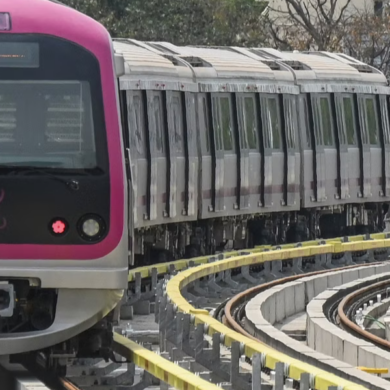
Metro Lines 1 and 2 have already linked important employment and civic nodes, while Line 3 will improve movement between Hinjawadi, Wakad, Baner, and Shivajinagar. Road and industrial growth are creating another layer of interest. The Chakan-Talegaon warehousing belt contributed nearly 80% of Pune’s warehouse leasing activity, according to Knight Frank data.
All this is influencing housing interest near job-linked & metro-connected neighbourhoods, and enhancing real estate rates in Pune.
Koregaon Park, Kharadi, and office-led areas continue to attract GCCs, MNCs, and commercial expansion. These employment zones keep the Pune commercial real estate market connected to purchase patterns across high-end and mid-premium abodes.
Should You Buy, Wait, or Invest in Pune Right Now?
Considering the current real estate in Pune, the decision depends on purpose, location, budget, and holding horizon. Reports show 11,371 new unit launches in the city, with 8.2% annual rise and 2.3% quarterly dip, indicating active supply with measured movement.
Investors should estimate future rental yields through employment density, metro reach, unit size, and civic convenience. Legal checks need equal focus – especially title records, sanctioned layouts, and civic documentation available through the Land & Estate Department.
Families should assess developer track record, possession timeline, and registration details on MahaRERA before taking a call. The 46% mid-premium share and 38% high-end share in Q1 2026 show a clear mix of practical and upscale choices.
Explore SOBHA Luxury Residences in Pune
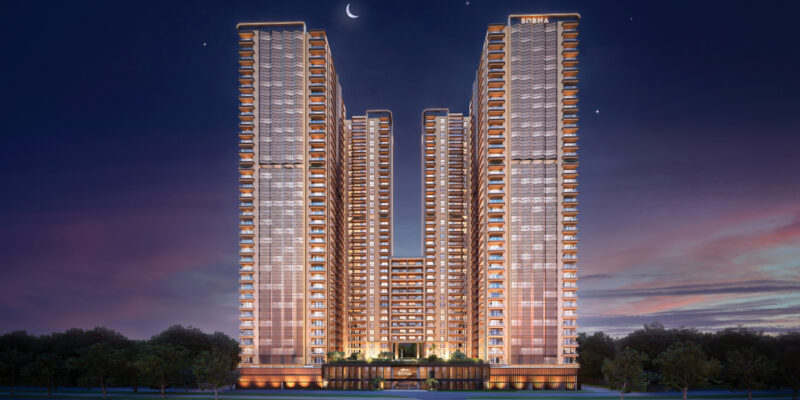
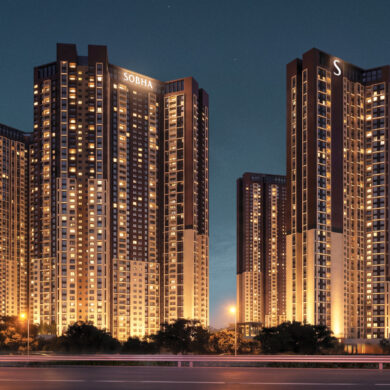
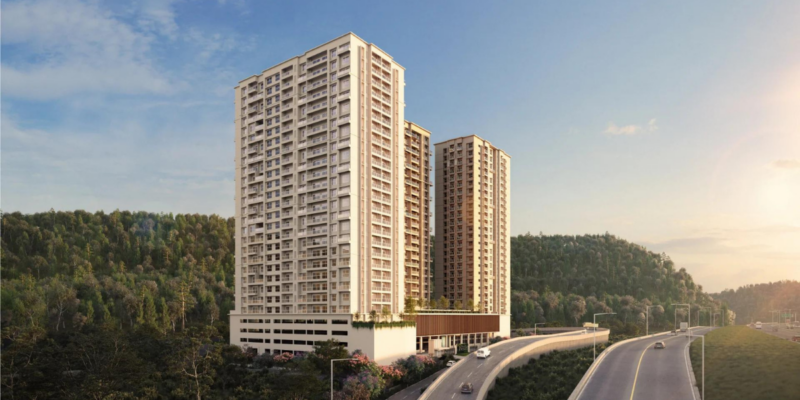
SOBHA Nesara brings a refined experience to Kothrud, one of the city’s most sought-after addresses for discerning buyers. Pune real estate gains a distinct dimension here, through SOBHA’s focus on world-class quality, design precision, and thoughtful community spaces.
The upscale gated community enjoys smooth links through Paud Road, Karve Road, Chandani Chowk, NH48, Vanaz metro, and the international airport. Renowned institutions such as MIT World Peace University, Bharati Vidyapeeth, and Fergusson College, along with Deenanath Mangeshkar Hospital and Sahyadri Hospital enhance convenience.
These 3.5, 4, and 4.5-bed luxury residences come with 10ft high ceilings, double-height balconies, well-planned kitchens, and vast living areas. Amenities for all age groups include 3-level Clubhouse, landscaped podium, Leisure Pool, Jogging Track, Coworking Space, Gym, Badminton Court, Library, Salon & Spa, Creche, and more.
To know more or book your guided walkthrough, call 08046464500 or visit the official webpage of SOBHA Nesara Pune.
Conclusion: Pune’s Real Estate Market is Maturing, Not Slowing
2026 numbers show the city’s housing landscape entering a mature phase – where quality, locality, and returns matter as much as transaction count.
The fall in monthly deal filings does not reduce its real estate depth – as stamp duty collections, luxury unit share, and demand for large abodes continue to show active buyer intent. Current real estate in Pune reflects selective buying backed by income stability, employment hubs, infrastructure upgrades, and trust in organised developers.
Families and investors need to read 2026 data through a practical lens. Metro expansion, warehousing belts, GCC activity, and established residential zones continue to guide purchase decisions. This is why Pune real estate prices need careful study across location, unit size, project stage, and developer track record.
SOBHA Nesara in Kothrud fits this mature reading through spacious residences, refined design, and a well-connected address.
FAQs
Is Pune real estate actually slowing down in 2026?
No, Pune real estate in 2026 is not slowing down, but showing signs of stabilisation after a strong cycle of sale deeds, launch activity, and value-led purchases. The dip in monthly filings needs to be read along with stamp duty collections, premium unit share, and interest in large-format homes.
Which areas in Pune have seen the highest price appreciation in 2026?
Areas in Pune that have seen notable value movement in 2026 include Kothrud, Baner, Aundh, Wakad, Hinjawadi, Kharadi, Wagholi, and Hadapsar – based on housing interest, infrastructure upgrades, and employment-led activity. West Pune continues to see selective upscale buying, while East Pune offers varied rate points across neighbourhoods.
What is the average property price in Pune in 2026?
Average property price in Pune in 2026 is ₹12,961 per sq ft. Upscale homes in highly sought-after neighbourhoods are around ₹15,000-19,000 per sq ft, depending on location, project profile, unit size, and specifications.
East vs West Pune: Which is better for real estate investment?
West Pune is suitable for those seeking established IT hubs, gated developments, and upscale residences across Kothrud, Baner, Aundh, Wakad, and Hinjawadi. East suits investors seeking diverse rates across Kharadi, Wagholi, Hadapsar, and future civic growth pockets.
Which segment of the Pune residential landscape is performing best?
Mid-premium segment of the Pune residential landscape is performing well, with Cushman & Wakefield’s Q1 2026 report showing 46% share in new supply. High-end homes held 38% share, supported by dual-income households and demand for 3 and 4BHK residences.