

Mumbai’s Next Big Real Estate Metamorphosis: Trends and Opportunities 2026
December 16th, 2025
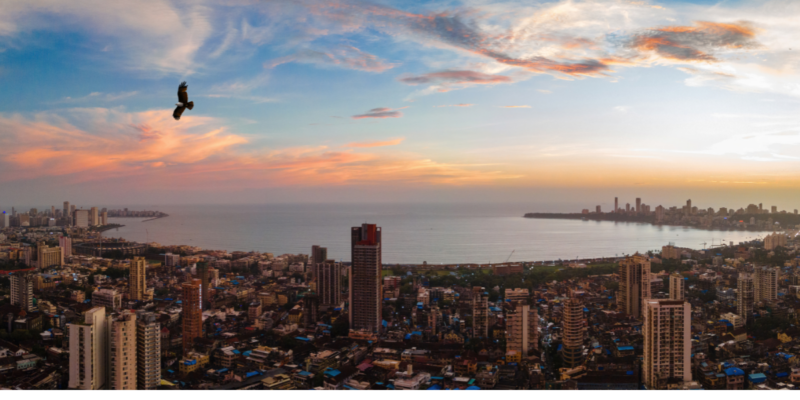
A real estate metamorphosis in Mumbai is unfolding as infrastructure expansion, luxury housing demand, and premium new launches redefine connectivity, lifestyle aspirations, and investment potential in 2026.
MMR (Mumbai Metropolitan Region) is entering a defining phase of urban transformation – driven by large-scale infrastructure upgrades, premium residential demand, and surge in investor confidence across key areas.
The megacity’s strong economic landscape, combined with high-value employment centres and seamless connectivity, is encouraging buyers to reassess long-term opportunities. Developers are responding with elevated standards, spacious living formats, and curated amenities for all age groups. These shifts signal the broader real estate metamorphosis in Mumbai – shaping how residents and investors will evaluate value, mobility, and lifestyle in the years ahead.
This blog explores the forces powering this change and the opportunities set to define MMR’s property market in 2026.
Table of Contents
Infrastructure as the Catalyst
Connectivity overhaul is playing a defining role in the ongoing real estate metamorphosis in Mumbai, strengthening residential demand across multiple growth corridors. Navi Mumbai International Airport has already reshaped buyer movement by increasing interest in areas near Mumbai Trans Harbour Link (MTHL) such as Sewri, Parel, and Dadar – resulting in high demand for luxury apartments in Parel.
The Coastal Road ecosystem continues to expand, with the ₹2337cr elevated DBLR project expected to improve north-south flow and reducing peak-hour congestion in the western suburbs.
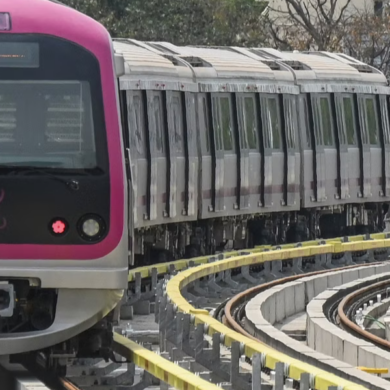
Mobility gains are further reinforced by major metro corridors. Line 3 has enhanced city-wide access, while the proposed Metro Line 8 promises seamless travel between the existing and upcoming international airports. Cultural and leisure infrastructure is also accelerating appeal, as CIDCO advances plans for India’s first multipurpose indoor entertainment arena that will rival iconic event venues across the world.
The momentum of real estate metamorphosis in Mumbai is also enhanced by Bandra Worli Sea Link, Eastern and Western Express Highways, and Eastern Freeway. Integrated Port Master Plan 2047 will strengthen Mumbai’s logistics capacity through modernised port operations.
Together, all these upgrades serve as catalysts for a future-ready mobility and economic framework that enhances lifestyle value and strengthens the long-term potential of luxury apartments in Mumbai 2026.
Changing Homebuyer & Investor Preferences
Evolving lifestyle priorities, wealth creation, and market confidence are reshaping how buyers and investors evaluate residential landscape – reinforcing the broader real estate metamorphosis in Mumbai.
Home seekers now favour premium high-rise living with better light, ventilation, privacy, and amenities that align with modern routines. Demand for larger apartments in BKC with 2-4 BHK configurations continues to rise, as hybrid work stabilises and families seek adaptable spaces for productivity and comfort. Buyers show heightened interest in sea-facing flats Mumbai that offer panoramic views, elevated lifestyles, and long-term value.
Sales of homes priced above ₹10cr surged by 60% and yielded sales value of ₹11,400cr, driven largely by residential projects in South Mumbai.
This shift is also being shaped by changing demographic dynamics. Women are no longer purchasing homes solely for security; they are increasingly investing to acquire strategic assets – reflecting stronger financial independence and lifestyle aspirations. In Mumbai, women homebuyers now purchase properties averaging ₹1.9cr, underscoring a clear preference for premium residences.
Collectively, these trends signal a decisive move towards quality, long-term value, and holistic urban living that will define the real estate metamorphosis in Mumbai through 2026.
Redevelopment and New Launch Trends
Redevelopment has evolved into the most powerful force shaping the city’s modern housing ecosystem, reinforcing the broader real estate metamorphosis in Mumbai.
Knight Frank India reports that redevelopment projects are set to deliver over 44,000 new homes by 2030, valued at ₹130,000 crore. The surge is already visible, with 5 major listed developers unveiling projects worth ₹18,000 crore in GDV between Jul and Sep 2025 – signalling strong conviction from industry leaders and homebuyers alike.
Registration data echoes this strength: nearly 100,000 properties were registered between Jan and Aug 2025, marking steady 3% annual rise despite high interest rates and prices.
Multiple converging forces are propelling this redevelopment renaissance. Acute land scarcity has made vertical renewal the only sustainable path for fresh supply within city limits. DCPR 2034, along with streamlined MHADA and SRA norms, has created a regulatory environment that supports feasibility, faster approvals, and generous FSI allocations – making redevelopment both financially and operationally viable.
Shifting buyer preferences – such as larger layouts, wellness-centric amenities, sustainability features, and digital-ready living – have made modern towers in established neighbourhoods significantly more desirable. This transformation is also a response to reality: nearly two-thirds of the city’s housing stock is over 30 years old, demanding renewal that introduces advanced safety standards, upgraded infrastructure, and contemporary lifestyle features.
Cluster redevelopment has emerged as a structural game changer by consolidating fragmented plots into unified zones that allow wider roads, comprehensive amenities, and gated community lifestyle.
Complementing this is the rise of transit-oriented development (TOD), with developers aligning major projects along expanding metro corridors that are expected to reach 300km by 2030. This synergy between real estate and mobility infrastructure reduces commute times, enhances accessibility, and creates long-term value uplift across adjoining areas.
Renowned developers are also redefining the narrative by introducing ultra-luxury towers that cater to HNIs and NRIs seeking expansive layouts, world-class amenities, and strategic locations. High-end projects – such as sea-facing flats Mumbai new launches – are reshaping aspirational living and elevating the city’s positioning as global luxury housing destination.
Together, these dynamics position redevelopment and premium new launches as the twin engines driving MMR’s next generation of urban transformation.
Challenges and Opportunities
The evolving landscape shaping the real estate metamorphosis in Mumbai presents distinct challenges that simultaneously create new avenues for strategic investment and homebuying.
- High property prices: Rising acquisition costs make it difficult for mid-income buyers, yet they strengthen long-term appreciation potential, making premium areas highly attractive for investors seeking value stability. For instance, the price of apartments in Bandra ranges from ₹56,750 per sq ft to ₹81,000 per sq ft.
- Redevelopment complexity: Lengthy approvals and coordination issues slow down transformations of older buildings, but this same consolidation is unlocking modern high-rises with stronger safety, amenities, and higher resale prospects
- Regulatory compliance and timelines: Strict norms increase project delays, but leading developers with strong execution records gain a competitive edge and attract buyers prioritising credibility and transparency
- Limited supply in prime areas: Scarcity pushes prices upward for homebuyers, but creates an ideal environment for investors and NRIs focused on capital preservation and rental demand
- Construction cost inflation: Higher input costs elevate final pricing, yet they encourage a shift towards higher-quality materials, sustainable engineering, and increased durability
Conclusion
MMR is entering a defining phase of growth where urban mobility, premium housing demand, and large-scale redevelopment are converging to create a stronger, future-ready property landscape.
Enhanced airport connectivity, new metro corridors, expanding Coastal Road network, and cultural infrastructure are reshaping how residents and investors evaluate long-term value. At the same time, developers are elevating their design language, construction quality, and amenities to meet the expectations of discerning homebuyers.
This collective momentum reinforces the broader real estate metamorphosis in Mumbai, positioning the city for sustained appreciation across both established and emerging areas.
While challenges related to pricing, regulations, and redevelopment persist, the opportunities for strategic investment remain compelling. For buyers seeking lifestyle upgrades and investors mapping long-term gains, 2026 signals a pivotal moment where the transformed urban framework aligns with new aspirations – strengthening the appeal of premium apartments in Mumbai and making the megacity one of the most dynamic real estate environments in India.
FAQs
What is driving real estate metamorphosis in Mumbai?
Real estate metamorphosis in Mumbai is driven by major infrastructure upgrades, premium redevelopment, and rising demand for luxury-focused living formats.
Which areas are the focus for redevelopment and new launches?
Areas that are the focus for redevelopment and new launches include Worli, Parel, Byculla, Chembur, and key western suburbs.
What types of apartments are in demand now?
Apartments that are in demand now include spacious 2, 3, 4BHKs with amenities such as clubhouses, swimming pools, gyms, children’s play areas, landscaped gardens, coworking spaces, and more.
How do new metro lines help real estate metamorphosis in Mumbai?
New metro lines help real estate metamorphosis in Mumbai by improving access, reducing travel time, and elevating property values in areas with direct connectivity.
How important are lifestyle features in new projects?
Lifestyle features are important in new projects – as they ensure better comfort, healthier routines, and well-planned community spaces that elevate living standards.
What should buyers watch out for, regarding regulations?
Buyers should watch out for regulations such as RERA compliance, project approvals, redevelopment timelines, and financial performance of developers.
Are rental yields still strong in Mumbai?
Yes, rental yields are still strong in Mumbai, especially in areas near business hubs, metro corridors, and premium residential clusters.
How can investors navigate risks in this market?
Investors can navigate risks in this market by choosing nationally renowned developers, infrastructure-led corridors, and early-stage opportunities aligned with the real estate metamorphosis in Mumbai.